
Painting Portrait of a Woman - Jan Mijtens | Art print


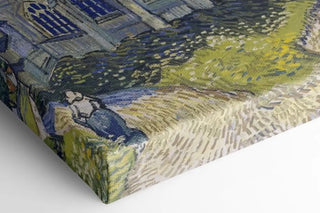
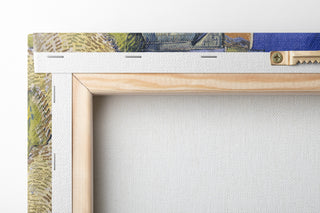
View from behind
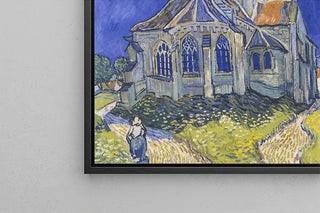
Frame (optional)
Portrait of a Woman - Jan Mijtens – Captivating Introduction
The "Portrait of a Woman" by Jan Mijtens is a work that transcends mere representation. This painting, imbued with unparalleled delicacy and sophistication, invites viewers to immerse themselves in a universe where beauty and elegance converge. Mijtens, a master of 17th-century portraiture, manages to capture not only the external appearance of his subject but also an inner essence, a vibrant personality that seems almost alive. This portrait, crafted with finesse, evokes a bygone era when art served as a mirror to society, while also offering a reflection on individuality and social status.
Style and uniqueness of the work
Mijtens' style is distinguished by meticulous attention to detail and subtle use of light. In "Portrait of a Woman," the texture of the clothing, the delicacy of the hands, and the expression on the face are rendered with remarkable precision. The artist skillfully plays with shadows and highlights, creating depth that brings the canvas to life. The colors, carefully chosen, add warmth and intimacy to the portrait, strengthening the emotional connection between the subject and the viewer. Every element, from the background to the pose, appears thoughtfully considered, contributing to a harmonious whole that captures the eye and the mind. This painting is not merely a simple representation; it tells a story, that of a woman both rooted in her time and timeless.
The artist and his influence
Jan Mijtens, born in 1614, established himself as one of the most prominent portraitists of his era. Trained in the Flemish tradition, he integrated various influences, notably those of his Dutch contemporaries, while developing a personal style unique to himself. Mijtens had the opportunity to work for aristocratic clientele, which allowed him to refine his art and explore themes related to nobility and beauty. His impact on the art world is undeniable, inspiring many artists who followed. Through his portraits, he not only immortalized important figures of his time but also contributed to
Painting Portrait of a Woman - Jan Mijtens | Art print

-10% FROM €95 IN PURCHASES
-15% FROM €195 IN PURCHASES
Regular price
- Unit price
- per
Tax included.
Free shipping
€4.90 / Free shipping on orders over €39
Satisfied or Money Back
Free returns within 30 days
10-year warranty
Our prints are guaranteed for 10 years
Any questions? We are here!
by email to contact@artemlegrand.com
THE STEPS OF YOUR ORDER

STEP 1 - ORDER PLACED
Your order has been confirmed and we are starting production
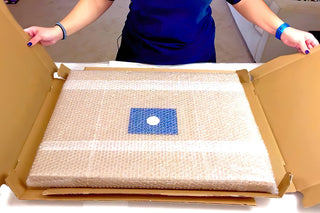
STEP 2 - SHIPPING
We ship your order. We send you an email to track the progress

STEP 3 - DELIVERY
You receive your order. You can also, according to your choice, be delivered to a relay point.
Matte finish
View from behind
Frame (optional)
Portrait of a Woman - Jan Mijtens – Captivating Introduction
The "Portrait of a Woman" by Jan Mijtens is a work that transcends mere representation. This painting, imbued with unparalleled delicacy and sophistication, invites viewers to immerse themselves in a universe where beauty and elegance converge. Mijtens, a master of 17th-century portraiture, manages to capture not only the external appearance of his subject but also an inner essence, a vibrant personality that seems almost alive. This portrait, crafted with finesse, evokes a bygone era when art served as a mirror to society, while also offering a reflection on individuality and social status.
Style and uniqueness of the work
Mijtens' style is distinguished by meticulous attention to detail and subtle use of light. In "Portrait of a Woman," the texture of the clothing, the delicacy of the hands, and the expression on the face are rendered with remarkable precision. The artist skillfully plays with shadows and highlights, creating depth that brings the canvas to life. The colors, carefully chosen, add warmth and intimacy to the portrait, strengthening the emotional connection between the subject and the viewer. Every element, from the background to the pose, appears thoughtfully considered, contributing to a harmonious whole that captures the eye and the mind. This painting is not merely a simple representation; it tells a story, that of a woman both rooted in her time and timeless.
The artist and his influence
Jan Mijtens, born in 1614, established himself as one of the most prominent portraitists of his era. Trained in the Flemish tradition, he integrated various influences, notably those of his Dutch contemporaries, while developing a personal style unique to himself. Mijtens had the opportunity to work for aristocratic clientele, which allowed him to refine his art and explore themes related to nobility and beauty. His impact on the art world is undeniable, inspiring many artists who followed. Through his portraits, he not only immortalized important figures of his time but also contributed to
12,34 €