
Painting Portrait of a Woman - Hans Eworth | Art print


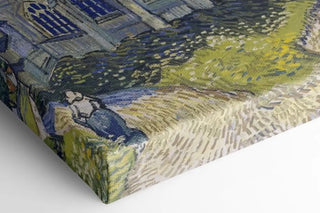
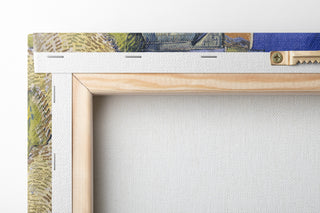
View from behind
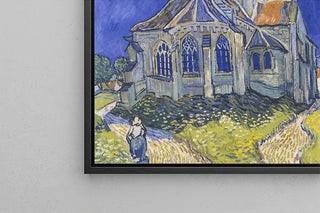
Frame (optional)
Portrait of a Woman - Hans Eworth – Captivating Introduction
The "Portrait of a Woman" by Hans Eworth is a work that transcends time and invites deep contemplation. Created during the 16th century, this painting embodies the quintessence of English Renaissance art. The artist, through this representation, manages to capture not only the external beauty of his subject but also an inner essence, a personality that seems to vibrate beneath the viewer's gaze. Entering the universe of this artwork, one is immediately transported to an era where art and fashion intertwined, where every detail mattered, and where the portrait became a true mirror of the soul.
Style and uniqueness of the work
Hans Eworth's style is distinguished by its meticulousness and attention to detail. In "Portrait of a Woman," every element, from the sumptuous fabric of the dress to the delicate accessories, is carefully crafted. The use of rich colors and light play enhances the depth of the model's face, giving her an almost mystical aura. Eworth, influenced by Flemish masters, succeeds in creating an intimate atmosphere while maintaining a certain distance, allowing for a subtle interaction between the artwork and its observer. This portrait does not merely depict a female figure; it tells a story, that of a time, a culture, and a social status. Details such as jewelry and textile patterns also offer a glimpse into the aesthetic and social values of his era, making this work a true historical document.
The artist and his influence
Hans Eworth, born in Flanders, established himself as one of the most important painters of the English Renaissance. His artistic journey was marked by a transition to England, where he adapted his Flemish style to the tastes of the English court. Eworth was a pioneer in portrait art, influencing many artists who followed. His ability to fuse Flemish technique with local elements allowed his works to stand out. As a court artist, he had the opportunity to work for nobles and members of royalty, which helped elevate the portrait to the rank of noble art, celebrating not only the individual but
Painting Portrait of a Woman - Hans Eworth | Art print

-10% FROM €95 IN PURCHASES
-15% FROM €195 IN PURCHASES
Regular price
- Unit price
- per
Tax included.
Free shipping
€4.90 / Free shipping on orders over €39
Satisfied or Money Back
Free returns within 30 days
10-year warranty
Our prints are guaranteed for 10 years
Any questions? We are here!
by email to contact@artemlegrand.com
THE STEPS OF YOUR ORDER

STEP 1 - ORDER PLACED
Your order has been confirmed and we are starting production
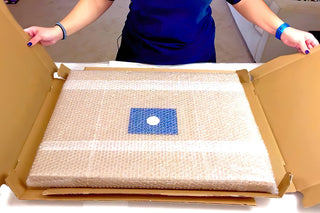
STEP 2 - SHIPPING
We ship your order. We send you an email to track the progress

STEP 3 - DELIVERY
You receive your order. You can also, according to your choice, be delivered to a relay point.
Matte finish
View from behind
Frame (optional)
Portrait of a Woman - Hans Eworth – Captivating Introduction
The "Portrait of a Woman" by Hans Eworth is a work that transcends time and invites deep contemplation. Created during the 16th century, this painting embodies the quintessence of English Renaissance art. The artist, through this representation, manages to capture not only the external beauty of his subject but also an inner essence, a personality that seems to vibrate beneath the viewer's gaze. Entering the universe of this artwork, one is immediately transported to an era where art and fashion intertwined, where every detail mattered, and where the portrait became a true mirror of the soul.
Style and uniqueness of the work
Hans Eworth's style is distinguished by its meticulousness and attention to detail. In "Portrait of a Woman," every element, from the sumptuous fabric of the dress to the delicate accessories, is carefully crafted. The use of rich colors and light play enhances the depth of the model's face, giving her an almost mystical aura. Eworth, influenced by Flemish masters, succeeds in creating an intimate atmosphere while maintaining a certain distance, allowing for a subtle interaction between the artwork and its observer. This portrait does not merely depict a female figure; it tells a story, that of a time, a culture, and a social status. Details such as jewelry and textile patterns also offer a glimpse into the aesthetic and social values of his era, making this work a true historical document.
The artist and his influence
Hans Eworth, born in Flanders, established himself as one of the most important painters of the English Renaissance. His artistic journey was marked by a transition to England, where he adapted his Flemish style to the tastes of the English court. Eworth was a pioneer in portrait art, influencing many artists who followed. His ability to fuse Flemish technique with local elements allowed his works to stand out. As a court artist, he had the opportunity to work for nobles and members of royalty, which helped elevate the portrait to the rank of noble art, celebrating not only the individual but
12,34 €