
Painting Portrait of a Peasant - Mary Elizabeth Tripe | Art print


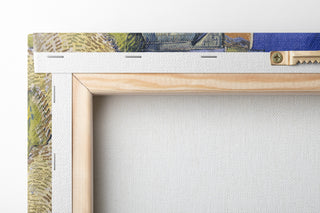
View from behind
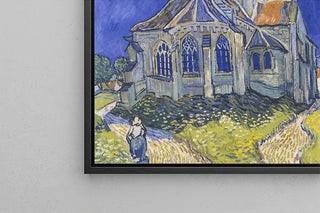
Frame (optional)
Portrait of a Peasant Woman - Mary Elizabeth Tripe – Captivating Introduction
In the fascinating world of 19th-century British painting, the "Portrait of a Peasant Woman" by Mary Elizabeth Tripe stands out for its ability to capture the very essence of rural life. This artwork, imbued with sensitivity and realism, offers a window into an era when art served to immortalize the faces and stories of the working classes. The peasant woman's gaze, both gentle and resilient, evokes an emotional depth that transcends a simple portrait. This painting, far from being merely a representation, becomes a tribute to the dignity of labor and the beauty of everyday life, inviting viewers to reflect on the lives of those who, often invisible, form the foundation of society.
Style and uniqueness of the work
Mary Elizabeth Tripe's style is characterized by poignant realism, where every detail is carefully considered to reflect the personality of the subject. In "Portrait of a Peasant Woman," the texture of the clothing, the soft light caressing the face, and the subtle nuances of color demonstrate undeniable technical mastery. The artist manages to establish a dialogue between the human figure and its environment, making the work lively and immersive. The features of the peasant woman are both delicate and marked by life's hardships, a duality that gives the piece a universal dimension. Tripe succeeds in transcending mere representation to offer viewers a moment of contemplation, an invitation to feel the soul of her model.
The artist and her influence
Mary Elizabeth Tripe, an emblematic figure of her time, managed to establish herself in an artistic milieu often dominated by men. Her unique sensitivity and keen insight into the human condition allowed her to create works that still resonate today. By focusing on subjects often neglected by her contemporaries, she paved the way for a new approach to genre painting, highlighting the beauty of modest lives. Her influence extends beyond her era, inspiring many contemporary artists to explore similar themes. Tripe thus contributed to redefining portraiture as a means of expression, transforming scenes of everyday life into true works of art.
Painting Portrait of a Peasant - Mary Elizabeth Tripe | Art print

-10% FROM €95 IN PURCHASES
-15% FROM €195 IN PURCHASES
Regular price
- Unit price
- per
Tax included.
Free shipping
€4.90 / Free shipping on orders over €39
Satisfied or Money Back
Free returns within 30 days
10-year warranty
Our prints are guaranteed for 10 years
Any questions? We are here!
by email to contact@artemlegrand.com
THE STEPS OF YOUR ORDER

STEP 1 - ORDER PLACED
Your order has been confirmed and we are starting production
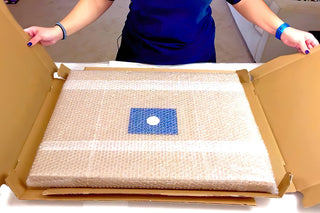
STEP 2 - SHIPPING
We ship your order. We send you an email to track the progress

STEP 3 - DELIVERY
You receive your order. You can also, according to your choice, be delivered to a relay point.
Matte finish
View from behind
Frame (optional)
Portrait of a Peasant Woman - Mary Elizabeth Tripe – Captivating Introduction
In the fascinating world of 19th-century British painting, the "Portrait of a Peasant Woman" by Mary Elizabeth Tripe stands out for its ability to capture the very essence of rural life. This artwork, imbued with sensitivity and realism, offers a window into an era when art served to immortalize the faces and stories of the working classes. The peasant woman's gaze, both gentle and resilient, evokes an emotional depth that transcends a simple portrait. This painting, far from being merely a representation, becomes a tribute to the dignity of labor and the beauty of everyday life, inviting viewers to reflect on the lives of those who, often invisible, form the foundation of society.
Style and uniqueness of the work
Mary Elizabeth Tripe's style is characterized by poignant realism, where every detail is carefully considered to reflect the personality of the subject. In "Portrait of a Peasant Woman," the texture of the clothing, the soft light caressing the face, and the subtle nuances of color demonstrate undeniable technical mastery. The artist manages to establish a dialogue between the human figure and its environment, making the work lively and immersive. The features of the peasant woman are both delicate and marked by life's hardships, a duality that gives the piece a universal dimension. Tripe succeeds in transcending mere representation to offer viewers a moment of contemplation, an invitation to feel the soul of her model.
The artist and her influence
Mary Elizabeth Tripe, an emblematic figure of her time, managed to establish herself in an artistic milieu often dominated by men. Her unique sensitivity and keen insight into the human condition allowed her to create works that still resonate today. By focusing on subjects often neglected by her contemporaries, she paved the way for a new approach to genre painting, highlighting the beauty of modest lives. Her influence extends beyond her era, inspiring many contemporary artists to explore similar themes. Tripe thus contributed to redefining portraiture as a means of expression, transforming scenes of everyday life into true works of art.
12,34 €