
Painting Portrait of a Monk - School of Verona | Art print


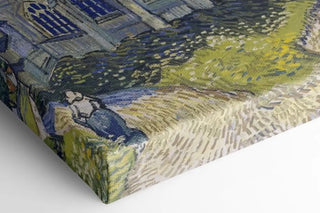
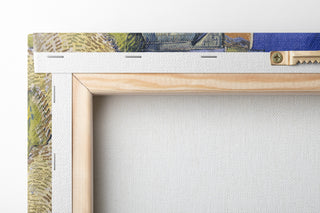
View from behind
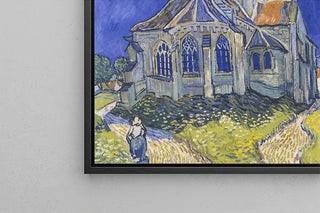
Frame (optional)
Portrait of a Monk - School of Verona – Captivating Introduction
In the fascinating universe of art history, some works manage to transcend their era and capture the very essence of humanity. The "Portrait of a Monk" from the School of Verona is one of those creations that, through its depth and intensity, evokes reflections on spirituality and the human condition. This painting, imbued with mystery and serenity, invites the viewer on an introspective journey, where each gaze upon the monk's face reveals a new facet of his soul. The play of light and shadow creates an atmosphere that is both soothing and unsettling, leaving no one indifferent.
Style and uniqueness of the work
The style of the "Portrait of a Monk" reflects a time when religious art held a predominant place in society. The mastery of color nuances and textures is remarkable, allowing for a realistic representation that goes beyond a simple portrait. The monk's features are delicately sculpted, each wrinkle telling a story, each shadow adding a dimension to his personality. The artist manages to capture not only the physical appearance of the monk but also a spiritual essence, a silent wisdom emanating from his gaze. This painting stands out for its ability to establish a dialogue between the subject and the viewer, inviting contemplation that extends far beyond the visual.
The artist and his influence
The School of Verona, from which the "Portrait of a Monk" originates, is a melting pot of artistic influences that have shaped the landscape of art over the centuries. Artists of this school, particularly those of the 16th century, skillfully integrated elements of the Italian Renaissance while maintaining a distinct identity. Their humanist approach, centered on the individual and their emotions, left an indelible mark on Western art. The monk, an emblematic figure of spirituality, is often depicted in contexts that highlight the duality of human life: between the sacred and the profane, light and darkness. This painting is the result of a time when art became a means of expressing thought and the
Painting Portrait of a Monk - School of Verona | Art print

-10% FROM €95 IN PURCHASES
-15% FROM €195 IN PURCHASES
Regular price
- Unit price
- per
Tax included.
Free shipping
€4.90 / Free shipping on orders over €39
Satisfied or Money Back
Free returns within 30 days
10-year warranty
Our prints are guaranteed for 10 years
Any questions? We are here!
by email to contact@artemlegrand.com
THE STEPS OF YOUR ORDER

STEP 1 - ORDER PLACED
Your order has been confirmed and we are starting production
STEP 2 - SHIPPING
We ship your order. We send you an email to track the progress

STEP 3 - DELIVERY
You receive your order. You can also, according to your choice, be delivered to a relay point.
Matte finish
View from behind
Frame (optional)
Portrait of a Monk - School of Verona – Captivating Introduction
In the fascinating universe of art history, some works manage to transcend their era and capture the very essence of humanity. The "Portrait of a Monk" from the School of Verona is one of those creations that, through its depth and intensity, evokes reflections on spirituality and the human condition. This painting, imbued with mystery and serenity, invites the viewer on an introspective journey, where each gaze upon the monk's face reveals a new facet of his soul. The play of light and shadow creates an atmosphere that is both soothing and unsettling, leaving no one indifferent.
Style and uniqueness of the work
The style of the "Portrait of a Monk" reflects a time when religious art held a predominant place in society. The mastery of color nuances and textures is remarkable, allowing for a realistic representation that goes beyond a simple portrait. The monk's features are delicately sculpted, each wrinkle telling a story, each shadow adding a dimension to his personality. The artist manages to capture not only the physical appearance of the monk but also a spiritual essence, a silent wisdom emanating from his gaze. This painting stands out for its ability to establish a dialogue between the subject and the viewer, inviting contemplation that extends far beyond the visual.
The artist and his influence
The School of Verona, from which the "Portrait of a Monk" originates, is a melting pot of artistic influences that have shaped the landscape of art over the centuries. Artists of this school, particularly those of the 16th century, skillfully integrated elements of the Italian Renaissance while maintaining a distinct identity. Their humanist approach, centered on the individual and their emotions, left an indelible mark on Western art. The monk, an emblematic figure of spirituality, is often depicted in contexts that highlight the duality of human life: between the sacred and the profane, light and darkness. This painting is the result of a time when art became a means of expressing thought and the
12,34 €