
Portrait of a man, perhaps Alexander I, Emperor of Russia - Jean-Baptiste Isabey | Art print


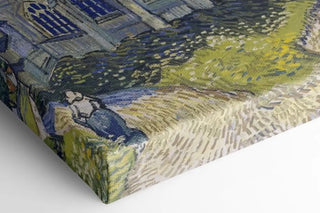
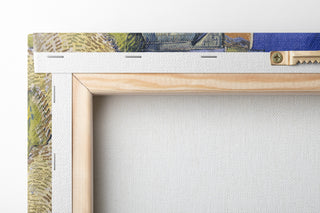
View from behind
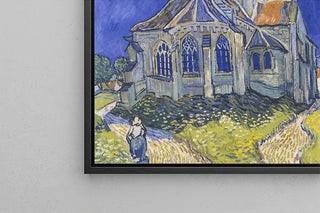
Frame (optional)
Portrait of a man, perhaps Alexander I Emperor of Russia - Jean-Baptiste Isabey – Captivating Introduction
The "Portrait of a man, perhaps Alexander I Emperor of Russia" by Jean-Baptiste Isabey is a work that transcends the simple frame of a portrait to offer a true journey through time. This painting, both enigmatic and rich in history, immerses us in the universe of a man whose face is imbued with power and mystery. Isabey, a court painter in the early 19th century, manages to capture the essence of an iconic figure in European history, while revealing the subtleties of his era. The artwork, through its meticulous details and palpable atmosphere, invites the viewer to reflect on the role and impact of Alexander I on the continent.
Style and uniqueness of the work
Isabey's style is characterized by remarkable finesse and a particular attention to detail. In this portrait, the color palette chosen is both rich and nuanced, creating a harmony that draws the eye. The play of light and shadow accentuates the facial features, while the background, often understated, highlights the imposing stature of the subject. Alexander I's posture, upright and confident, testifies to his authority but also to his human vulnerability. Isabey succeeds in blending realism and idealism, rendering the character both accessible and mythic. Every brushstroke seems to tell a story, and the overall work exudes a palpable emotion, a sense of grandeur that transcends the simple portrait.
The artist and his influence
Jean-Baptiste Isabey, born in 1767, is an essential figure in French portraiture. His artistic journey is marked by encounters with influential personalities of his time, which allowed him to build a solid reputation. Isabey established himself in the artistic world thanks to his exceptional talent and his ability to capture the soul of his subjects. His style, influenced by Neoclassicism and Romanticism, has left a lasting imprint on portrait painting. As a court painter, he had the opportunity to work for nobility and crowned heads, which
Portrait of a man, perhaps Alexander I, Emperor of Russia - Jean-Baptiste Isabey | Art print

-10% FROM €95 IN PURCHASES
-15% FROM €195 IN PURCHASES
Regular price
- Unit price
- per
Tax included.
Free shipping
€4.90 / Free shipping on orders over €39
Satisfied or Money Back
Free returns within 30 days
10-year warranty
Our prints are guaranteed for 10 years
Any questions? We are here!
by email to contact@artemlegrand.com
THE STEPS OF YOUR ORDER

STEP 1 - ORDER PLACED
Your order has been confirmed and we are starting production
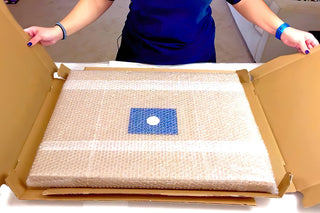
STEP 2 - SHIPPING
We ship your order. We send you an email to track the progress

STEP 3 - DELIVERY
You receive your order. You can also, according to your choice, be delivered to a relay point.
Matte finish
View from behind
Frame (optional)
Portrait of a man, perhaps Alexander I Emperor of Russia - Jean-Baptiste Isabey – Captivating Introduction
The "Portrait of a man, perhaps Alexander I Emperor of Russia" by Jean-Baptiste Isabey is a work that transcends the simple frame of a portrait to offer a true journey through time. This painting, both enigmatic and rich in history, immerses us in the universe of a man whose face is imbued with power and mystery. Isabey, a court painter in the early 19th century, manages to capture the essence of an iconic figure in European history, while revealing the subtleties of his era. The artwork, through its meticulous details and palpable atmosphere, invites the viewer to reflect on the role and impact of Alexander I on the continent.
Style and uniqueness of the work
Isabey's style is characterized by remarkable finesse and a particular attention to detail. In this portrait, the color palette chosen is both rich and nuanced, creating a harmony that draws the eye. The play of light and shadow accentuates the facial features, while the background, often understated, highlights the imposing stature of the subject. Alexander I's posture, upright and confident, testifies to his authority but also to his human vulnerability. Isabey succeeds in blending realism and idealism, rendering the character both accessible and mythic. Every brushstroke seems to tell a story, and the overall work exudes a palpable emotion, a sense of grandeur that transcends the simple portrait.
The artist and his influence
Jean-Baptiste Isabey, born in 1767, is an essential figure in French portraiture. His artistic journey is marked by encounters with influential personalities of his time, which allowed him to build a solid reputation. Isabey established himself in the artistic world thanks to his exceptional talent and his ability to capture the soul of his subjects. His style, influenced by Neoclassicism and Romanticism, has left a lasting imprint on portrait painting. As a court painter, he had the opportunity to work for nobility and crowned heads, which
12,34 €