
Painting Portrait of a Lady - Willem Wissing | Art print


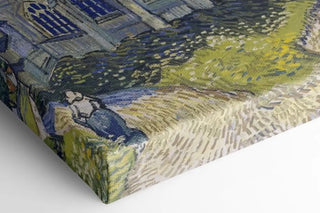
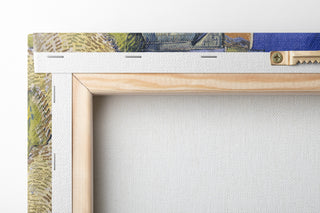
View from behind
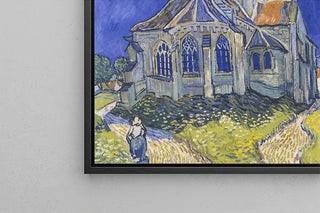
Frame (optional)
In the fascinating world of baroque art, the "Portrait of a Lady" by Willem Wissing stands out for its elegance and psychological depth. This artwork, which captures the very essence of female beauty in the 17th century, invites viewers to immerse themselves in a world where refinement and delicacy come together. Through the gaze of the protagonist, the artist manages to establish an intimate dialogue with the audience, evoking curiosity and admiration. The art print of this masterpiece allows for a rediscovery of the subtleties of old painting, while offering a contemporary perspective on the representation of women in art.
Style and uniqueness of the work
Willem Wissing's style is characterized by an exceptional mastery of pictorial techniques, especially in the use of light and shadow. The "Portrait of a Lady" proves to be a striking example of this skill, where each brushstroke seems carefully thought out to emphasize the texture of fabrics and the softness of skin. The color palette chosen by the artist, with its rich nuances and subtle contrasts, creates an atmosphere that is both warm and mysterious. The composition, meanwhile, demonstrates a keen sense of balance, where the female figure is highlighted by a delicately blurred background, allowing the viewer to focus on the expressive face of the lady. Every detail, from the pearls adorning her neck to the delicate curls of her hair, contributes to forging a timeless image that still resonates today.
The artist and his influence
Willem Wissing, born in the Netherlands, managed to establish himself as one of the most prominent portraitists of his time. Influenced by the great masters of Dutch painting, he developed a personal style that combines tradition and innovation. His artistic journey led him to settle in London, where he became the court painter for aristocrats, leaving his mark on the history of British art. Wissing is often recognized for his ability to capture not only the physical appearance of his subjects but also their personality and social status. This psychological approach to portraiture paved the way for many
Painting Portrait of a Lady - Willem Wissing | Art print

-10% FROM €95 IN PURCHASES
-15% FROM €195 IN PURCHASES
Regular price
- Unit price
- per
Tax included.
Free shipping
€4.90 / Free shipping on orders over €39
Satisfied or Money Back
Free returns within 30 days
10-year warranty
Our prints are guaranteed for 10 years
Any questions? We are here!
by email to contact@artemlegrand.com
THE STEPS OF YOUR ORDER

STEP 1 - ORDER PLACED
Your order has been confirmed and we are starting production
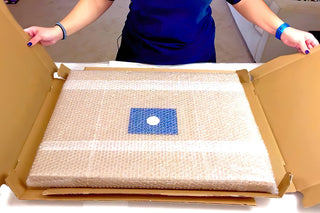
STEP 2 - SHIPPING
We ship your order. We send you an email to track the progress

STEP 3 - DELIVERY
You receive your order. You can also, according to your choice, be delivered to a relay point.
Matte finish
View from behind
Frame (optional)
In the fascinating world of baroque art, the "Portrait of a Lady" by Willem Wissing stands out for its elegance and psychological depth. This artwork, which captures the very essence of female beauty in the 17th century, invites viewers to immerse themselves in a world where refinement and delicacy come together. Through the gaze of the protagonist, the artist manages to establish an intimate dialogue with the audience, evoking curiosity and admiration. The art print of this masterpiece allows for a rediscovery of the subtleties of old painting, while offering a contemporary perspective on the representation of women in art.
Style and uniqueness of the work
Willem Wissing's style is characterized by an exceptional mastery of pictorial techniques, especially in the use of light and shadow. The "Portrait of a Lady" proves to be a striking example of this skill, where each brushstroke seems carefully thought out to emphasize the texture of fabrics and the softness of skin. The color palette chosen by the artist, with its rich nuances and subtle contrasts, creates an atmosphere that is both warm and mysterious. The composition, meanwhile, demonstrates a keen sense of balance, where the female figure is highlighted by a delicately blurred background, allowing the viewer to focus on the expressive face of the lady. Every detail, from the pearls adorning her neck to the delicate curls of her hair, contributes to forging a timeless image that still resonates today.
The artist and his influence
Willem Wissing, born in the Netherlands, managed to establish himself as one of the most prominent portraitists of his time. Influenced by the great masters of Dutch painting, he developed a personal style that combines tradition and innovation. His artistic journey led him to settle in London, where he became the court painter for aristocrats, leaving his mark on the history of British art. Wissing is often recognized for his ability to capture not only the physical appearance of his subjects but also their personality and social status. This psychological approach to portraiture paved the way for many
12,34 €