
Painting Portrait of a lady in blue holding a flower - Sir Peter Lely | Art print


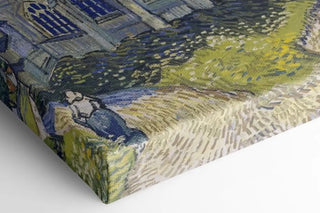
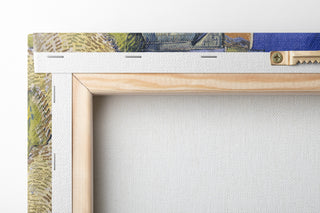
View from behind
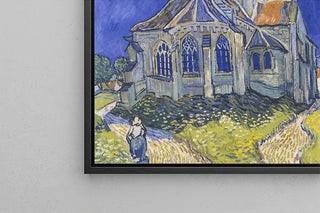
Frame (optional)
The "Portrait of a Lady in Blue Holding a Flower" by Sir Peter Lely is a work that evokes both delicacy and strength, capturing a fleeting moment in time. This painting, distinguished by its luminosity and enchanting atmosphere, transports us to the heart of the 17th century—a period when portrait painting was experiencing unprecedented growth. Lely, a master of royal portraiture, skillfully captures the very essence of his subjects, immortalizing them through his refined technique. This particular piece, through its subject and composition, embodies the ideals of beauty and grace prevalent in its era, while also revealing a certain intimacy.
Style and uniqueness of the work
Lely's style is characterized by a keen eye for detail and a mastery of color that lends his portraits rare emotional depth. In this piece, the lady in blue stands with an elegant posture, her captivating gaze seemingly inviting the viewer to share a moment of complicity. The choice of blue, a color often associated with nobility and serenity, highlights the dignity of her model while emphasizing the delicacy of the flower she holds. The soft light bathing the painting accentuates the textures of the clothing and the finesse of the facial features, creating an almost dreamlike atmosphere. Every element of the composition, from the drapery to the gesture, reflects a meticulous aesthetic pursuit, where each detail matters.
The artist and his influence
Sir Peter Lely, born in 1618 in the Netherlands, managed to conquer the English court and establish himself as one of the most prominent portraitists of his time. His career, marked by prestigious commissions, allowed him to develop a unique style that combines realism and idealization. Lely was notably the official portraitist of the court of Charles II, and his influence extended far beyond his era. By integrating elements of Flemish culture while adapting them to English tastes, he created a bridge between two artistic traditions. His work has inspired many artists, and his approach to portraiture continues to be studied and admired today.
Painting Portrait of a lady in blue holding a flower - Sir Peter Lely | Art print

-10% FROM €95 IN PURCHASES
-15% FROM €195 IN PURCHASES
Regular price
- Unit price
- per
Tax included.
Free shipping
€4.90 / Free shipping on orders over €39
Satisfied or Money Back
Free returns within 30 days
10-year warranty
Our prints are guaranteed for 10 years
Any questions? We are here!
by email to contact@artemlegrand.com
THE STEPS OF YOUR ORDER

STEP 1 - ORDER PLACED
Your order has been confirmed and we are starting production
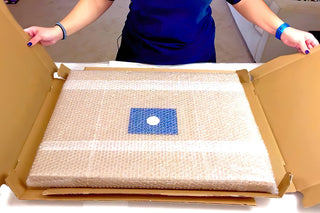
STEP 2 - SHIPPING
We ship your order. We send you an email to track the progress

STEP 3 - DELIVERY
You receive your order. You can also, according to your choice, be delivered to a relay point.
Matte finish
View from behind
Frame (optional)
The "Portrait of a Lady in Blue Holding a Flower" by Sir Peter Lely is a work that evokes both delicacy and strength, capturing a fleeting moment in time. This painting, distinguished by its luminosity and enchanting atmosphere, transports us to the heart of the 17th century—a period when portrait painting was experiencing unprecedented growth. Lely, a master of royal portraiture, skillfully captures the very essence of his subjects, immortalizing them through his refined technique. This particular piece, through its subject and composition, embodies the ideals of beauty and grace prevalent in its era, while also revealing a certain intimacy.
Style and uniqueness of the work
Lely's style is characterized by a keen eye for detail and a mastery of color that lends his portraits rare emotional depth. In this piece, the lady in blue stands with an elegant posture, her captivating gaze seemingly inviting the viewer to share a moment of complicity. The choice of blue, a color often associated with nobility and serenity, highlights the dignity of her model while emphasizing the delicacy of the flower she holds. The soft light bathing the painting accentuates the textures of the clothing and the finesse of the facial features, creating an almost dreamlike atmosphere. Every element of the composition, from the drapery to the gesture, reflects a meticulous aesthetic pursuit, where each detail matters.
The artist and his influence
Sir Peter Lely, born in 1618 in the Netherlands, managed to conquer the English court and establish himself as one of the most prominent portraitists of his time. His career, marked by prestigious commissions, allowed him to develop a unique style that combines realism and idealization. Lely was notably the official portraitist of the court of Charles II, and his influence extended far beyond his era. By integrating elements of Flemish culture while adapting them to English tastes, he created a bridge between two artistic traditions. His work has inspired many artists, and his approach to portraiture continues to be studied and admired today.
12,34 €