
Painting Portrait of a Lady - Frederick Samuel Beaumont | Art print


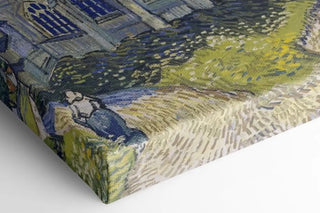
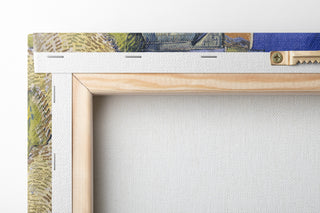
View from behind
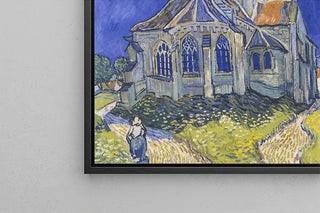
Frame (optional)
The "Portrait of a Lady" by Frederick Samuel Beaumont is a piece that transcends the simple frame of a portrait to become a true window into the human soul. This painting, which inevitably draws the eye, evokes emotional depth and rare intimacy. The finesse of the features, the delicate expression of the female figure, and the choice of colors all testify to a technical mastery that invites the viewer to dive into a world where time seems suspended. Through this portrait, Beaumont does not merely depict a lady; he captures an essence, a story, a moment frozen in eternity.
Style and uniqueness of the work
Beaumont's style is characterized by striking realism, combined with a romantic sensitivity that defines an era when art sought to reflect the beauty and complexity of human life. In "Portrait of a Lady," every detail, from the drapery of the dress to the nuances of shadows, is carefully studied to create a vibrant atmosphere. Light plays a crucial role in this piece, illuminating the lady's face while creating striking contrasts that enhance the three-dimensionality of the painting. This approach allows the viewer to feel an almost tangible connection with the subject, as if one could hear her story whispered through the silence of time. The composition, too, is carefully balanced, with each element arranged to guide the gaze and evoke emotion.
The artist and his influence
Frederick Samuel Beaumont, a British artist of the 19th century, left an indelible mark on the art world thanks to his ability to capture the essence of his subjects. Trained in the best academies of his time, he skillfully combined tradition and innovation, integrating elements of Romantic painting while adopting more modern techniques. Beaumont established himself as a preferred portraitist, attracting the attention of high society of his era. His influence extends beyond his work, inspiring many artists who followed in his footsteps. The way he humanized his subjects and brought them to life through painting paved the way for a new understanding of portraiture, where the individual is at the center of the art.
Painting Portrait of a Lady - Frederick Samuel Beaumont | Art print

-10% FROM €95 IN PURCHASES
-15% FROM €195 IN PURCHASES
Regular price
- Unit price
- per
Tax included.
Free shipping
€4.90 / Free shipping on orders over €39
Satisfied or Money Back
Free returns within 30 days
10-year warranty
Our prints are guaranteed for 10 years
Any questions? We are here!
by email to contact@artemlegrand.com
THE STEPS OF YOUR ORDER

STEP 1 - ORDER PLACED
Your order has been confirmed and we are starting production
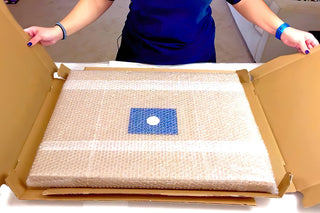
STEP 2 - SHIPPING
We ship your order. We send you an email to track the progress

STEP 3 - DELIVERY
You receive your order. You can also, according to your choice, be delivered to a relay point.
Matte finish
View from behind
Frame (optional)
The "Portrait of a Lady" by Frederick Samuel Beaumont is a piece that transcends the simple frame of a portrait to become a true window into the human soul. This painting, which inevitably draws the eye, evokes emotional depth and rare intimacy. The finesse of the features, the delicate expression of the female figure, and the choice of colors all testify to a technical mastery that invites the viewer to dive into a world where time seems suspended. Through this portrait, Beaumont does not merely depict a lady; he captures an essence, a story, a moment frozen in eternity.
Style and uniqueness of the work
Beaumont's style is characterized by striking realism, combined with a romantic sensitivity that defines an era when art sought to reflect the beauty and complexity of human life. In "Portrait of a Lady," every detail, from the drapery of the dress to the nuances of shadows, is carefully studied to create a vibrant atmosphere. Light plays a crucial role in this piece, illuminating the lady's face while creating striking contrasts that enhance the three-dimensionality of the painting. This approach allows the viewer to feel an almost tangible connection with the subject, as if one could hear her story whispered through the silence of time. The composition, too, is carefully balanced, with each element arranged to guide the gaze and evoke emotion.
The artist and his influence
Frederick Samuel Beaumont, a British artist of the 19th century, left an indelible mark on the art world thanks to his ability to capture the essence of his subjects. Trained in the best academies of his time, he skillfully combined tradition and innovation, integrating elements of Romantic painting while adopting more modern techniques. Beaumont established himself as a preferred portraitist, attracting the attention of high society of his era. His influence extends beyond his work, inspiring many artists who followed in his footsteps. The way he humanized his subjects and brought them to life through painting paved the way for a new understanding of portraiture, where the individual is at the center of the art.
12,34 €