
Painting Portrait of a girl wearing a white scarf - Pietro Rotari | Art print


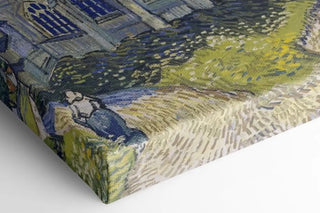
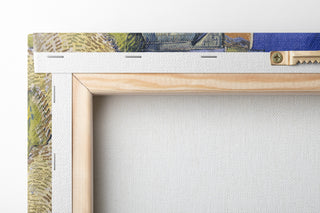
View from behind
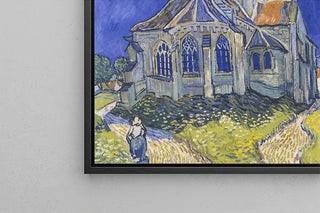
Frame (optional)
In the rich and captivating world of 18th-century painting, the "Art print of a girl wearing a white scarf" by Pietro Rotari stands out as an iconic masterpiece. This painting, which captures the essence of feminine beauty with unparalleled delicacy, transports us to a realm where every brushstroke seems to whisper secrets of the past. The young girl, with her gaze both dreamy and mysterious, evokes subtle melancholy, while the white scarf framing her face illuminates her complexion with a gentle light. This work is not merely a simple representation; it is an open window into the human soul, a reflection of the emotions and aspirations of a bygone era.
Style and uniqueness of the work
Rotari's style is characterized by finesse and precision that make his portraits particularly vivid. In this painting, mastery of shadows and lights creates an intimate atmosphere, where the figure of the young girl appears to emerge from a delicately nuanced background. The details of the scarf, carefully painted, add a tactile dimension to the piece, inviting the viewer to imagine the softness of the fabric against the skin. The color palette, dominated by pastel tones, contributes to the overall harmony of the composition, while the penetrating gaze of the girl captures attention and prompts reflection on her story. Every element of this portrait is thoughtfully considered, demonstrating the artist's skill in blending technique and emotion.
The artist and his influence
Pietro Rotari, born in 1707 in Verona, is one of the most influential portrait artists of his time. Trained in the Baroque tradition, he evolved towards a more delicate and refined style, marking a transition to Rococo. His work was heavily influenced by Venetian masters, but he also developed a unique identity, focusing on the depiction of beauty and elegance. Rotari was able to capture the spirit of his era, where fashion and social status played a predominant role in society. His portraits, often commissioned by the aristocracy, reveal
Painting Portrait of a girl wearing a white scarf - Pietro Rotari | Art print

-10% FROM €95 IN PURCHASES
-15% FROM €195 IN PURCHASES
Regular price
- Unit price
- per
Tax included.
Free shipping
€4.90 / Free shipping on orders over €39
Satisfied or Money Back
Free returns within 30 days
10-year warranty
Our prints are guaranteed for 10 years
Any questions? We are here!
by email to contact@artemlegrand.com
THE STEPS OF YOUR ORDER

STEP 1 - ORDER PLACED
Your order has been confirmed and we are starting production
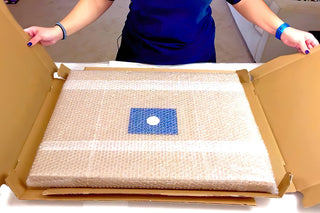
STEP 2 - SHIPPING
We ship your order. We send you an email to track the progress

STEP 3 - DELIVERY
You receive your order. You can also, according to your choice, be delivered to a relay point.
Matte finish
View from behind
Frame (optional)
In the rich and captivating world of 18th-century painting, the "Art print of a girl wearing a white scarf" by Pietro Rotari stands out as an iconic masterpiece. This painting, which captures the essence of feminine beauty with unparalleled delicacy, transports us to a realm where every brushstroke seems to whisper secrets of the past. The young girl, with her gaze both dreamy and mysterious, evokes subtle melancholy, while the white scarf framing her face illuminates her complexion with a gentle light. This work is not merely a simple representation; it is an open window into the human soul, a reflection of the emotions and aspirations of a bygone era.
Style and uniqueness of the work
Rotari's style is characterized by finesse and precision that make his portraits particularly vivid. In this painting, mastery of shadows and lights creates an intimate atmosphere, where the figure of the young girl appears to emerge from a delicately nuanced background. The details of the scarf, carefully painted, add a tactile dimension to the piece, inviting the viewer to imagine the softness of the fabric against the skin. The color palette, dominated by pastel tones, contributes to the overall harmony of the composition, while the penetrating gaze of the girl captures attention and prompts reflection on her story. Every element of this portrait is thoughtfully considered, demonstrating the artist's skill in blending technique and emotion.
The artist and his influence
Pietro Rotari, born in 1707 in Verona, is one of the most influential portrait artists of his time. Trained in the Baroque tradition, he evolved towards a more delicate and refined style, marking a transition to Rococo. His work was heavily influenced by Venetian masters, but he also developed a unique identity, focusing on the depiction of beauty and elegance. Rotari was able to capture the spirit of his era, where fashion and social status played a predominant role in society. His portraits, often commissioned by the aristocracy, reveal
12,34 €