
Painting Portrait of a Girl - Hermann Groeber | Art print Source: Tableau Portrait d'une fille - Hermann Groeber | Reproduction


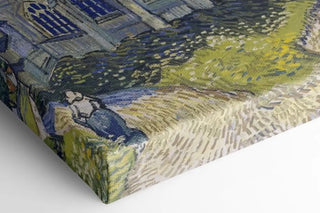
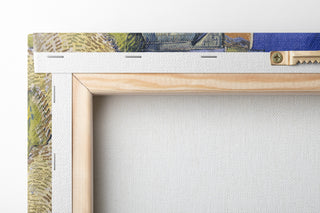
View from behind
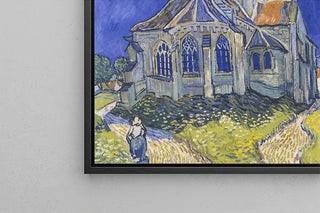
Frame (optional)
In the vast universe of art, some works emanate a special aura, captivating the observer with their beauty and depth. The "Portrait of a Girl" by Hermann Groeber is one of those. This piece, both simple and complex, immerses us in the intimacy of a frozen moment in time, where each brushstroke seems to whisper forgotten stories. Gazing at this portrait, one is immediately transported to a world where childhood innocence blends with an artistic sensitivity that transcends eras. Groeber, with his technical skill and poetic vision, manages to capture the very essence of his subject, inviting us to reflect on the nature of identity and memory.
Style and uniqueness of the work
The style of Hermann Groeber is distinguished by an approach that is both realistic and impressionist. In "Portrait of a Girl," there is a mastery of light and shadow, which gives the depicted figure an almost tangible depth. The colors, delicate and nuanced, evoke an atmosphere of softness and melancholy. The expression on the young girl's face, both serene and pensive, elicits immediate empathy. Groeber does not merely reproduce a face; he explores the emotions and thoughts hidden behind the features. This work is an invitation to contemplation, a suspended moment where the viewer is led to question the inner life of this character. The artist's technique, combined with his keen sense of composition, creates a visual harmony that makes the portrait almost alive.
The artist and his influence
Hermann Groeber, an emblematic figure of the early 20th century, knew how to mark his era with a rich and varied body of work. Influenced by the artistic currents of his time, he integrated elements of symbolism and post-impressionism into his creations. His work on the portrait, in particular, demonstrates a rare sensitivity, where each subject is treated with special attention. Groeber had the opportunity to exhibit in numerous galleries across Europe, and his influence extended far beyond the borders of his homeland.
Painting Portrait of a Girl - Hermann Groeber | Art print Source: Tableau Portrait d'une fille - Hermann Groeber | Reproduction

-10% FROM €95 IN PURCHASES
-15% FROM €195 IN PURCHASES
Regular price
- Unit price
- per
Tax included.
Free shipping
€4.90 / Free shipping on orders over €39
Satisfied or Money Back
Free returns within 30 days
10-year warranty
Our prints are guaranteed for 10 years
Any questions? We are here!
by email to contact@artemlegrand.com
THE STEPS OF YOUR ORDER
STEP 1 - ORDER PLACED
Your order has been confirmed and we are starting production
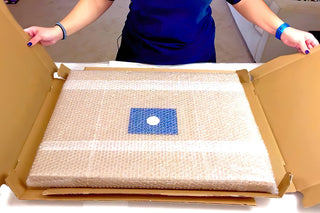
STEP 2 - SHIPPING
We ship your order. We send you an email to track the progress

STEP 3 - DELIVERY
You receive your order. You can also, according to your choice, be delivered to a relay point.
Matte finish
View from behind
Frame (optional)
In the vast universe of art, some works emanate a special aura, captivating the observer with their beauty and depth. The "Portrait of a Girl" by Hermann Groeber is one of those. This piece, both simple and complex, immerses us in the intimacy of a frozen moment in time, where each brushstroke seems to whisper forgotten stories. Gazing at this portrait, one is immediately transported to a world where childhood innocence blends with an artistic sensitivity that transcends eras. Groeber, with his technical skill and poetic vision, manages to capture the very essence of his subject, inviting us to reflect on the nature of identity and memory.
Style and uniqueness of the work
The style of Hermann Groeber is distinguished by an approach that is both realistic and impressionist. In "Portrait of a Girl," there is a mastery of light and shadow, which gives the depicted figure an almost tangible depth. The colors, delicate and nuanced, evoke an atmosphere of softness and melancholy. The expression on the young girl's face, both serene and pensive, elicits immediate empathy. Groeber does not merely reproduce a face; he explores the emotions and thoughts hidden behind the features. This work is an invitation to contemplation, a suspended moment where the viewer is led to question the inner life of this character. The artist's technique, combined with his keen sense of composition, creates a visual harmony that makes the portrait almost alive.
The artist and his influence
Hermann Groeber, an emblematic figure of the early 20th century, knew how to mark his era with a rich and varied body of work. Influenced by the artistic currents of his time, he integrated elements of symbolism and post-impressionism into his creations. His work on the portrait, in particular, demonstrates a rare sensitivity, where each subject is treated with special attention. Groeber had the opportunity to exhibit in numerous galleries across Europe, and his influence extended far beyond the borders of his homeland.
12,34 €