
Painting Portrait of a Gentleman Sitting - Johann Grund | Art print


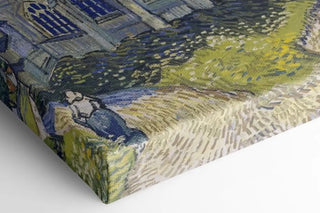
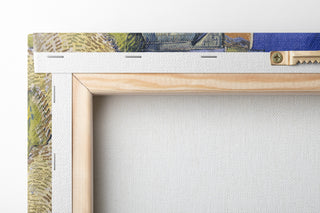
View from behind
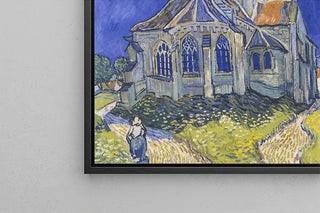
Frame (optional)
In the vast panorama of art history, certain works manage to capture the very essence of their era while transcending the limits of time. The "Art print of a Gentleman Sitting" by Johann Grund is a perfect example. This piece, created in the heart of the 18th century, immerses us in an atmosphere imbued with nobility and refinement. The gaze of the character, both thoughtful and confident, seems to invite us to explore not only his world but also the subtleties of a time marked by social and cultural upheavals. Grund, with his skill in capturing the psychology of his subjects, offers us a snapshot of aristocratic life, where every detail of the painting becomes a key to understanding the aspirations and values of his time.
Style and uniqueness of the work
The strength of this work lies in its distinctive style, which combines realism and idealization. Johann Grund, influenced by the artistic currents of his time, manages to create a harmonious balance between faithful representation of the subject and a certain aesthetic embellishment. The choice of colors, both rich and delicate, enhances the stature of the gentleman while revealing the subtlety of the emotions he harbors. The play of light and shadow, skillfully orchestrated, gives the composition a depth that transcends the simple portrait. Each element, from the costume to the accessories, is loaded with meaning, reflecting the social codes and aspirations of 18th-century nobility. This painting does not merely depict an individual; it offers a glimpse into a culture, an era, and a way of life.
The artist and his influence
Johann Grund, an emblematic figure of German painting, knew how to leave his mark on his era with his innovative approach to portraiture. Trained in the workshops of great masters, he developed a style that is uniquely his own, blending neoclassical and baroque influences. His work is not limited to the simple representation of his contemporaries; it is part of a broader context where art becomes a mirror of social and political concerns. Grund also had a significant impact on subsequent generations of artists, who saw in him a role model to follow. His ability to capture the human soul
Painting Portrait of a Gentleman Sitting - Johann Grund | Art print

-10% FROM €95 IN PURCHASES
-15% FROM €195 IN PURCHASES
Regular price
- Unit price
- per
Tax included.
Free shipping
€4.90 / Free shipping on orders over €39
Satisfied or Money Back
Free returns within 30 days
10-year warranty
Our prints are guaranteed for 10 years
Any questions? We are here!
by email to contact@artemlegrand.com
THE STEPS OF YOUR ORDER

STEP 1 - ORDER PLACED
Your order has been confirmed and we are starting production
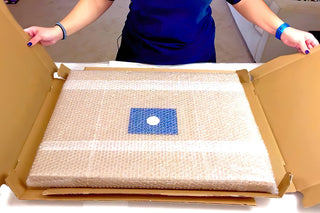
STEP 2 - SHIPPING
We ship your order. We send you an email to track the progress

STEP 3 - DELIVERY
You receive your order. You can also, according to your choice, be delivered to a relay point.
Matte finish
View from behind
Frame (optional)
In the vast panorama of art history, certain works manage to capture the very essence of their era while transcending the limits of time. The "Art print of a Gentleman Sitting" by Johann Grund is a perfect example. This piece, created in the heart of the 18th century, immerses us in an atmosphere imbued with nobility and refinement. The gaze of the character, both thoughtful and confident, seems to invite us to explore not only his world but also the subtleties of a time marked by social and cultural upheavals. Grund, with his skill in capturing the psychology of his subjects, offers us a snapshot of aristocratic life, where every detail of the painting becomes a key to understanding the aspirations and values of his time.
Style and uniqueness of the work
The strength of this work lies in its distinctive style, which combines realism and idealization. Johann Grund, influenced by the artistic currents of his time, manages to create a harmonious balance between faithful representation of the subject and a certain aesthetic embellishment. The choice of colors, both rich and delicate, enhances the stature of the gentleman while revealing the subtlety of the emotions he harbors. The play of light and shadow, skillfully orchestrated, gives the composition a depth that transcends the simple portrait. Each element, from the costume to the accessories, is loaded with meaning, reflecting the social codes and aspirations of 18th-century nobility. This painting does not merely depict an individual; it offers a glimpse into a culture, an era, and a way of life.
The artist and his influence
Johann Grund, an emblematic figure of German painting, knew how to leave his mark on his era with his innovative approach to portraiture. Trained in the workshops of great masters, he developed a style that is uniquely his own, blending neoclassical and baroque influences. His work is not limited to the simple representation of his contemporaries; it is part of a broader context where art becomes a mirror of social and political concerns. Grund also had a significant impact on subsequent generations of artists, who saw in him a role model to follow. His ability to capture the human soul
12,34 €