
Painting Portrait of a Gentleman - John Cox Dillman Engleheart | Art print


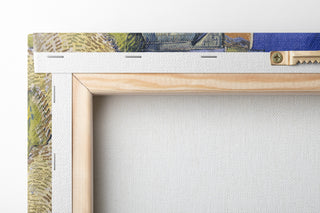
View from behind
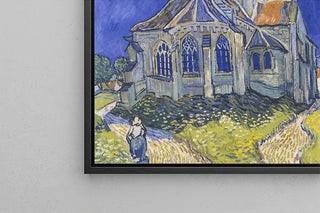
Frame (optional)
In the fascinating world of art, some works manage to transcend time and capture the very essence of their era. "Portrait of a Gentleman" by John Cox Dillman Engleheart is a perfect example. This painting, distinguished by its elegance and psychological depth, invites the viewer to immerse themselves in a world where refinement and personality meet. The art print of this iconic piece allows appreciation of the artist's virtuosity while offering a window into 18th-century society. Far from being a simple visual reflection, this portrait is a true exploration of identity and social status, where every detail tells a story.
Style and uniqueness of the work
John Cox Dillman Engleheart's style is characterized by an exceptional mastery of chiaroscuro and meticulous attention to detail. In "Portrait of a Gentleman," the artist manages to create an atmosphere that is both intimate and solemn. The subject's face, with its delicate features and penetrating gaze, is highlighted by carefully orchestrated lighting that enhances skin nuances and fabric textures. The color palette, subtle and harmonious, evokes a certain nobility, while the sumptuous drapery of the costume reflects the high status of the depicted individual. Every element of the composition, from the neutral background to the carefully chosen accessories, contributes to reinforcing the personality of the gentleman, making this art print a work of great visual and narrative richness.
The artist and his influence
John Cox Dillman Engleheart, an English painter of the 18th century, established a prominent place in the world of portrait art. Trained in the tradition of the great masters, he developed a style that combines tradition and innovation. Engleheart was influenced by artists such as Joshua Reynolds, whose approach to portraiture left a mark on his own work. His ability to capture not only physical appearance but also the very essence of his subjects allowed him to stand out in a competitive art market. Beyond his technique, Engleheart also played a role in the evolution of the portrait as a genre, contributing
Painting Portrait of a Gentleman - John Cox Dillman Engleheart | Art print

-10% FROM €95 IN PURCHASES
-15% FROM €195 IN PURCHASES
Regular price
- Unit price
- per
Tax included.
Free shipping
€4.90 / Free shipping on orders over €39
Satisfied or Money Back
Free returns within 30 days
10-year warranty
Our prints are guaranteed for 10 years
Any questions? We are here!
by email to contact@artemlegrand.com
THE STEPS OF YOUR ORDER

STEP 1 - ORDER PLACED
Your order has been confirmed and we are starting production
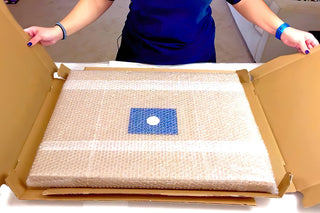
STEP 2 - SHIPPING
We ship your order. We send you an email to track the progress

STEP 3 - DELIVERY
You receive your order. You can also, according to your choice, be delivered to a relay point.
Matte finish
View from behind
Frame (optional)
In the fascinating world of art, some works manage to transcend time and capture the very essence of their era. "Portrait of a Gentleman" by John Cox Dillman Engleheart is a perfect example. This painting, distinguished by its elegance and psychological depth, invites the viewer to immerse themselves in a world where refinement and personality meet. The art print of this iconic piece allows appreciation of the artist's virtuosity while offering a window into 18th-century society. Far from being a simple visual reflection, this portrait is a true exploration of identity and social status, where every detail tells a story.
Style and uniqueness of the work
John Cox Dillman Engleheart's style is characterized by an exceptional mastery of chiaroscuro and meticulous attention to detail. In "Portrait of a Gentleman," the artist manages to create an atmosphere that is both intimate and solemn. The subject's face, with its delicate features and penetrating gaze, is highlighted by carefully orchestrated lighting that enhances skin nuances and fabric textures. The color palette, subtle and harmonious, evokes a certain nobility, while the sumptuous drapery of the costume reflects the high status of the depicted individual. Every element of the composition, from the neutral background to the carefully chosen accessories, contributes to reinforcing the personality of the gentleman, making this art print a work of great visual and narrative richness.
The artist and his influence
John Cox Dillman Engleheart, an English painter of the 18th century, established a prominent place in the world of portrait art. Trained in the tradition of the great masters, he developed a style that combines tradition and innovation. Engleheart was influenced by artists such as Joshua Reynolds, whose approach to portraiture left a mark on his own work. His ability to capture not only physical appearance but also the very essence of his subjects allowed him to stand out in a competitive art market. Beyond his technique, Engleheart also played a role in the evolution of the portrait as a genre, contributing
12,34 €