
Painting Portrait of a Gentleman - Jacopino del Conte | Art print


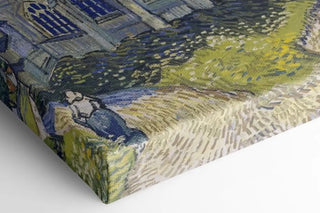
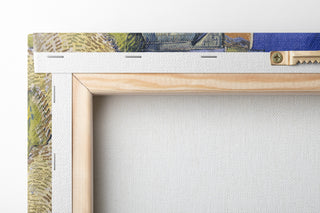
View from behind
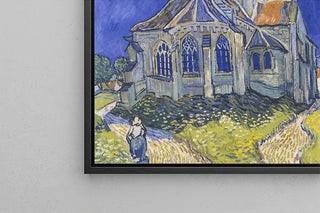
Frame (optional)
Portrait Art print of a gentleman - Jacopino del Conte – Captivating Introduction
In the rich and fascinating universe of the Italian Renaissance, the "Portrait of a gentleman" by Jacopino del Conte stands out for its psychological depth and formal elegance. This work, embodying the spirit of an era when the individual begins to emerge as the central subject of art, invites us to delve into the intimacy of a mysterious character. The painting, through its nuances and delicate treatment of shadows and lights, captures attention and sparks insatiable curiosity. The viewer is invited to question the identity of this gentleman, his thoughts, and aspirations, thus revealing the artist's skill in creating an emotional connection with his audience.
Style and uniqueness of the work
Jacopino del Conte's style is characterized by remarkable finesse and meticulous attention to detail. In this portrait, mastery of pictorial technique is evident in the rendering of textures, whether in the luxurious fabric of the gentleman's attire or in the delicacy of facial features. Every element, from the fold of the clothing to the expression in the eyes, contributes to an atmosphere that is both solemn and engaging. The choice of colors, subtly harmonized, plays a key role in revealing the personality of the subject. This portrait is not merely a simple representation; it becomes an exploration of the human soul, an open window into the emotions and thoughts of the character, while embodying the aesthetic ideals of its time.
The artist and his influence
Jacopino del Conte, an emblematic figure of Renaissance painting, established himself through his unique talent and artistic vision. Trained in a rich artistic context, he was influenced by the great masters of his era, while developing a style that is his own. His approach to portraiture, focused on individuality and psychology of the subjects, marked an important step in the evolution of art. By integrating elements of classical tradition while innovating, he contributed to redefining the genre of portraiture, transforming it into a means of personal and introspective expression. The impact of his work is still felt today, inspiring many contemporary artists to explore the relationships
Painting Portrait of a Gentleman - Jacopino del Conte | Art print

-10% FROM €95 IN PURCHASES
-15% FROM €195 IN PURCHASES
Regular price
- Unit price
- per
Tax included.
Free shipping
€4.90 / Free shipping on orders over €39
Satisfied or Money Back
Free returns within 30 days
10-year warranty
Our prints are guaranteed for 10 years
Any questions? We are here!
by email to contact@artemlegrand.com
THE STEPS OF YOUR ORDER

STEP 1 - ORDER PLACED
Your order has been confirmed and we are starting production
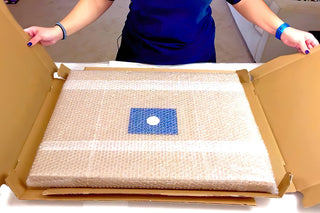
STEP 2 - SHIPPING
We ship your order. We send you an email to track the progress

STEP 3 - DELIVERY
You receive your order. You can also, according to your choice, be delivered to a relay point.
Matte finish
View from behind
Frame (optional)
Portrait Art print of a gentleman - Jacopino del Conte – Captivating Introduction
In the rich and fascinating universe of the Italian Renaissance, the "Portrait of a gentleman" by Jacopino del Conte stands out for its psychological depth and formal elegance. This work, embodying the spirit of an era when the individual begins to emerge as the central subject of art, invites us to delve into the intimacy of a mysterious character. The painting, through its nuances and delicate treatment of shadows and lights, captures attention and sparks insatiable curiosity. The viewer is invited to question the identity of this gentleman, his thoughts, and aspirations, thus revealing the artist's skill in creating an emotional connection with his audience.
Style and uniqueness of the work
Jacopino del Conte's style is characterized by remarkable finesse and meticulous attention to detail. In this portrait, mastery of pictorial technique is evident in the rendering of textures, whether in the luxurious fabric of the gentleman's attire or in the delicacy of facial features. Every element, from the fold of the clothing to the expression in the eyes, contributes to an atmosphere that is both solemn and engaging. The choice of colors, subtly harmonized, plays a key role in revealing the personality of the subject. This portrait is not merely a simple representation; it becomes an exploration of the human soul, an open window into the emotions and thoughts of the character, while embodying the aesthetic ideals of its time.
The artist and his influence
Jacopino del Conte, an emblematic figure of Renaissance painting, established himself through his unique talent and artistic vision. Trained in a rich artistic context, he was influenced by the great masters of his era, while developing a style that is his own. His approach to portraiture, focused on individuality and psychology of the subjects, marked an important step in the evolution of art. By integrating elements of classical tradition while innovating, he contributed to redefining the genre of portraiture, transforming it into a means of personal and introspective expression. The impact of his work is still felt today, inspiring many contemporary artists to explore the relationships
12,34 €