
Painting Portrait of a Boy - Jacob van Loo | Art print


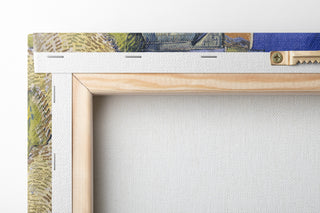
View from behind
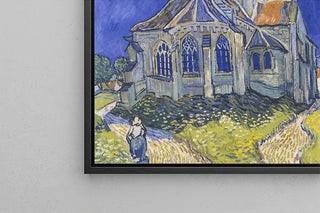
Frame (optional)
The "Portrait of a Boy" by Jacob van Loo is a work that captures attention through its delicacy and expressiveness. Created in the 17th century, this painting bears witness to the artistic genius of its creator, who manages to seize the innocence and curiosity of a young child. The composition, both simple and rich in detail, invites the viewer to delve into the intimate universe of childhood. The piece, imbued with light and vibrant colors, evokes a time when art was a means of celebrating life and the beauty of beings, while also offering a glimpse into the aesthetic values of its era.
Style and uniqueness of the work
Jacob van Loo's style is distinguished by his mastery of chiaroscuro and meticulous attention to detail. In the "Portrait of a Boy," the artist uses subtle nuances to create a warm and welcoming atmosphere. The young boy's face is illuminated by a soft light, accentuating his delicate features and sparkling curiosity. The textures of the clothing, carefully rendered, demonstrate the artist's skill in capturing the richness of materials. The background, though understated, helps to highlight the main subject, creating a visual harmony that draws the eye. This work stands out for its ability to convey deep emotions, making the viewer a confidant of this frozen moment in time.
The artist and his influence
Jacob van Loo, born in 1614, was a Dutch artist who established himself in the world of Baroque painting. A pupil of Abraham Bloemaert, he developed a style that combines the rigor of drawing with a colorful and lively palette. Throughout his career, Van Loo had the opportunity to work for prestigious patrons, which allowed him to leave a lasting mark on art history. His influence is felt not only through his own works but also through his students, who continued his legacy. The "Portrait of a Boy" perfectly illustrates his talent for portrait art, a genre in which he excels by capturing not only physical appearance but also the essence of the subject.
Painting Portrait of a Boy - Jacob van Loo | Art print

-10% FROM €95 IN PURCHASES
-15% FROM €195 IN PURCHASES
Regular price
- Unit price
- per
Tax included.
Free shipping
€4.90 / Free shipping on orders over €39
Satisfied or Money Back
Free returns within 30 days
10-year warranty
Our prints are guaranteed for 10 years
Any questions? We are here!
by email to contact@artemlegrand.com
THE STEPS OF YOUR ORDER

STEP 1 - ORDER PLACED
Your order has been confirmed and we are starting production
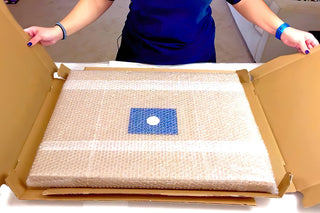
STEP 2 - SHIPPING
We ship your order. We send you an email to track the progress

STEP 3 - DELIVERY
You receive your order. You can also, according to your choice, be delivered to a relay point.
Matte finish
View from behind
Frame (optional)
The "Portrait of a Boy" by Jacob van Loo is a work that captures attention through its delicacy and expressiveness. Created in the 17th century, this painting bears witness to the artistic genius of its creator, who manages to seize the innocence and curiosity of a young child. The composition, both simple and rich in detail, invites the viewer to delve into the intimate universe of childhood. The piece, imbued with light and vibrant colors, evokes a time when art was a means of celebrating life and the beauty of beings, while also offering a glimpse into the aesthetic values of its era.
Style and uniqueness of the work
Jacob van Loo's style is distinguished by his mastery of chiaroscuro and meticulous attention to detail. In the "Portrait of a Boy," the artist uses subtle nuances to create a warm and welcoming atmosphere. The young boy's face is illuminated by a soft light, accentuating his delicate features and sparkling curiosity. The textures of the clothing, carefully rendered, demonstrate the artist's skill in capturing the richness of materials. The background, though understated, helps to highlight the main subject, creating a visual harmony that draws the eye. This work stands out for its ability to convey deep emotions, making the viewer a confidant of this frozen moment in time.
The artist and his influence
Jacob van Loo, born in 1614, was a Dutch artist who established himself in the world of Baroque painting. A pupil of Abraham Bloemaert, he developed a style that combines the rigor of drawing with a colorful and lively palette. Throughout his career, Van Loo had the opportunity to work for prestigious patrons, which allowed him to leave a lasting mark on art history. His influence is felt not only through his own works but also through his students, who continued his legacy. The "Portrait of a Boy" perfectly illustrates his talent for portrait art, a genre in which he excels by capturing not only physical appearance but also the essence of the subject.
12,34 €