
Painting Polly Ouldfield de Winyah - Jeremiah Theus | Art print


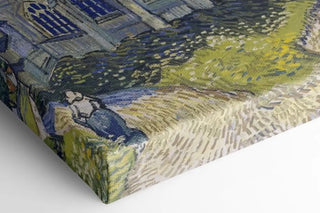
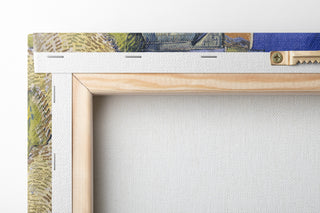
View from behind
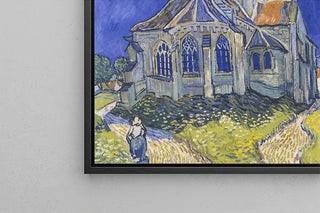
Frame (optional)
At the heart of the 18th century, where portrait art intertwines with a quest for identity and representation, "Polly Ouldfield de Winyah" by Jeremiah Theus stands out as a vibrant testament to its era. This painting, both intimate and narrative, immerses us in the universe of a young woman whose gaze seems to capture a story far broader than what her image suggests. The art print of this iconic work allows us to rediscover the subtleties of a time when every brushstroke was imbued with meaning and symbolism, thus revealing the aspirations and desires of a society in full transformation.
Style and uniqueness of the work
Jeremiah Theus's style is characterized by remarkable finesse and meticulous attention to detail. In "Polly Ouldfield de Winyah," every element, from the sumptuous drapery of the dress to the delicate nuances of the protagonist's complexion, demonstrates impressive technical mastery. The artist uses rich colors and subtle contrasts to create an atmosphere that is both serene and captivating. Polly's pose, both natural and composed, evokes a certain dignity, while the background, often minimalistic, highlights the main subject without distraction. This stylistic choice contributes to the emotional intensity of the work, making the viewer a participant in this frozen moment in time. The art of Theus is not limited to simple representation; it invites deep contemplation, an exploration of the feelings and stories that each face can tell.
The artist and his influence
Jeremiah Theus, born in Switzerland and primarily active in America, left his mark on the artistic landscape of the 18th century. As a portrait artist, he was able to capture the essence of his subjects, elevating them to emblematic figures of their time. His training in Europe, combined with his experience in America, allowed him to fuse stylistic influences from both continents, creating a unique visual language. Theus played a crucial role in depicting American colonial society, offering a reflection of the values and aspirations of his contemporaries. His influence is felt not only through his works but also by the
Painting Polly Ouldfield de Winyah - Jeremiah Theus | Art print

-10% FROM €95 IN PURCHASES
-15% FROM €195 IN PURCHASES
Regular price
- Unit price
- per
Tax included.
Free shipping
€4.90 / Free shipping on orders over €39
Satisfied or Money Back
Free returns within 30 days
10-year warranty
Our prints are guaranteed for 10 years
Any questions? We are here!
by email to contact@artemlegrand.com
THE STEPS OF YOUR ORDER

STEP 1 - ORDER PLACED
Your order has been confirmed and we are starting production
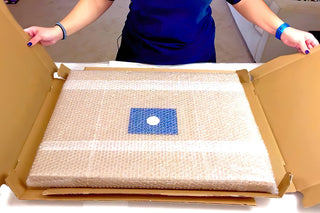
STEP 2 - SHIPPING
We ship your order. We send you an email to track the progress

STEP 3 - DELIVERY
You receive your order. You can also, according to your choice, be delivered to a relay point.
Matte finish
View from behind
Frame (optional)
At the heart of the 18th century, where portrait art intertwines with a quest for identity and representation, "Polly Ouldfield de Winyah" by Jeremiah Theus stands out as a vibrant testament to its era. This painting, both intimate and narrative, immerses us in the universe of a young woman whose gaze seems to capture a story far broader than what her image suggests. The art print of this iconic work allows us to rediscover the subtleties of a time when every brushstroke was imbued with meaning and symbolism, thus revealing the aspirations and desires of a society in full transformation.
Style and uniqueness of the work
Jeremiah Theus's style is characterized by remarkable finesse and meticulous attention to detail. In "Polly Ouldfield de Winyah," every element, from the sumptuous drapery of the dress to the delicate nuances of the protagonist's complexion, demonstrates impressive technical mastery. The artist uses rich colors and subtle contrasts to create an atmosphere that is both serene and captivating. Polly's pose, both natural and composed, evokes a certain dignity, while the background, often minimalistic, highlights the main subject without distraction. This stylistic choice contributes to the emotional intensity of the work, making the viewer a participant in this frozen moment in time. The art of Theus is not limited to simple representation; it invites deep contemplation, an exploration of the feelings and stories that each face can tell.
The artist and his influence
Jeremiah Theus, born in Switzerland and primarily active in America, left his mark on the artistic landscape of the 18th century. As a portrait artist, he was able to capture the essence of his subjects, elevating them to emblematic figures of their time. His training in Europe, combined with his experience in America, allowed him to fuse stylistic influences from both continents, creating a unique visual language. Theus played a crucial role in depicting American colonial society, offering a reflection of the values and aspirations of his contemporaries. His influence is felt not only through his works but also by the
12,34 €