
Painting Varken Pig domestic sow Beir Varres Porcus Male Varrat - Anselmus Botius de Boodt | Art print


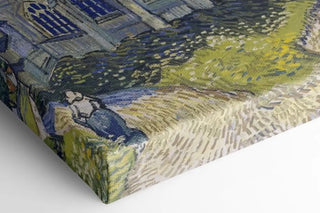
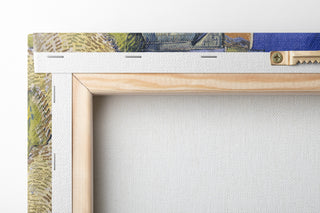
View from behind
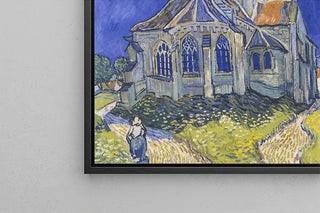
Frame (optional)
Art print Varken Porc truie domestique Beir Varres Porcus Mâle Varrat by Anselmus Botius de Boodt is a true ode to nature and domestication. Painted in the early 17th century, this depiction of a domestic pig transcends a simple illustration of an animal to become a symbol of the relationship between humans and wildlife. In a world where art often intertwines with more abstract concerns, this piece brings us back to tangible, everyday realities. The finesse of the brushwork, the precision of the details, and the richness of the colors invite the viewer to immerse themselves in a universe where every element holds significance. This painting is not merely an animal portrait but a reflection on the harmony between humans and nature, a theme that still resonates today.
Style and uniqueness of the work
Anselmus Botius de Boodt's style is distinguished by its naturalistic approach, characteristic of Flemish art of his time. In "Varken Porc truie domestique Beir Varres Porcus Mâle Varrat," the artist uses a palette of earthy colors that enhance the texture of the pig's fur, while playing with shadows and light to bring the scene to life. Every detail, from the reflection in the eyes to the curvature of the legs, is carefully observed and rendered with remarkable precision. This attention to detail helps create an atmosphere that is both realistic and poetic. De Boodt does not merely depict an animal; he offers an intimate view of its life, almost as if we could hear the sound of its footsteps on the ground. This striking realism, combined with a harmonious composition, makes this work a shining example of art's ability to capture the very essence of life.
The artist and his influence
Anselmus Botius de Boodt, though less known than some of his contemporaries, played a significant role in the development of animal painting in the 17th century. Originating from the Netherlands, he
Painting Varken Pig domestic sow Beir Varres Porcus Male Varrat - Anselmus Botius de Boodt | Art print

-10% FROM €95 IN PURCHASES
-15% FROM €195 IN PURCHASES
Regular price
- Unit price
- per
Free shipping
€4.90 / Free shipping on orders over €39
Satisfied or Money Back
Free returns within 30 days
10-year warranty
Our prints are guaranteed for 10 years
Any questions? We are here!
by email to contact@artemlegrand.com
THE STEPS OF YOUR ORDER

STEP 1 - ORDER PLACED
Your order has been confirmed and we are starting production
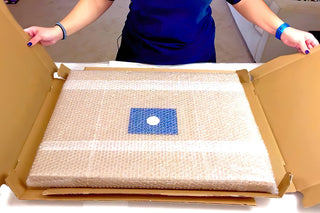
STEP 2 - SHIPPING
We ship your order. We send you an email to track the progress

STEP 3 - DELIVERY
You receive your order. You can also, according to your choice, be delivered to a relay point.
Matte finish
View from behind
Frame (optional)
Art print Varken Porc truie domestique Beir Varres Porcus Mâle Varrat by Anselmus Botius de Boodt is a true ode to nature and domestication. Painted in the early 17th century, this depiction of a domestic pig transcends a simple illustration of an animal to become a symbol of the relationship between humans and wildlife. In a world where art often intertwines with more abstract concerns, this piece brings us back to tangible, everyday realities. The finesse of the brushwork, the precision of the details, and the richness of the colors invite the viewer to immerse themselves in a universe where every element holds significance. This painting is not merely an animal portrait but a reflection on the harmony between humans and nature, a theme that still resonates today.
Style and uniqueness of the work
Anselmus Botius de Boodt's style is distinguished by its naturalistic approach, characteristic of Flemish art of his time. In "Varken Porc truie domestique Beir Varres Porcus Mâle Varrat," the artist uses a palette of earthy colors that enhance the texture of the pig's fur, while playing with shadows and light to bring the scene to life. Every detail, from the reflection in the eyes to the curvature of the legs, is carefully observed and rendered with remarkable precision. This attention to detail helps create an atmosphere that is both realistic and poetic. De Boodt does not merely depict an animal; he offers an intimate view of its life, almost as if we could hear the sound of its footsteps on the ground. This striking realism, combined with a harmonious composition, makes this work a shining example of art's ability to capture the very essence of life.
The artist and his influence
Anselmus Botius de Boodt, though less known than some of his contemporaries, played a significant role in the development of animal painting in the 17th century. Originating from the Netherlands, he