
Art print Pietà - Quentin Massys | Art print


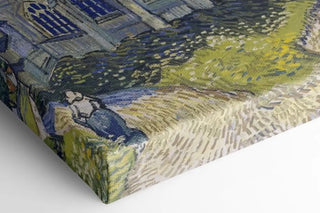
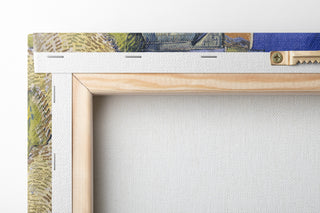
View from behind
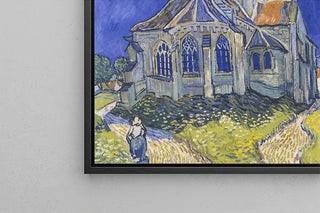
Frame (optional)
Reproduction Pietà - Quentin Massys – Engaging Introduction
The "Pietà" by Quentin Massys is a work that transcends the simple pictorial frame to immerse the viewer in a profound reflection on suffering and compassion. Created in the early 16th century, this painting embodies the emotional and spiritual tensions of its time, while continuing to touch the hearts of those who contemplate it today. The depiction of the Virgin Mary holding the body of the dead Christ is a recurring theme in art history, but Massys' interpretation stands out for its sensitivity and evocative power. The delicate light caressing the faces of the protagonists, as well as the meticulous details of the drapery, create an atmosphere that is both intimate and solemn, inviting the viewer to share a moment of contemplation.
Style and uniqueness of the work
Massys' style is characterized by striking realism, typical of the Renaissance period. In the "Pietà," each element is carefully designed to reinforce the emotion emanating from the scene. Mary's face, filled with pain and devotion, contrasts with the disturbing serenity of Christ. The colors, though dark, are enhanced by luminous touches that accentuate the expressions of the characters and the texture of the fabrics. Massys manages to capture not only the sadness of the scene but also the depth of maternal love, making this work a true masterpiece of humanity. The details, such as Mary's delicate hands and Jesus' peaceful features, demonstrate technical mastery that places Massys among the great masters of his time. This painting is an invitation to explore human emotions in all their complexity, making each viewing of the work unique and personal.
The artist and his influence
Quentin Massys, born in Antwerp in the early 16th century, is often regarded as one of the pioneers of Flemish painting. His career is marked by a desire for innovation and a quest for truth in representation. Influenced by the great Italian masters, he successfully integrated elements of their style while preserving a distinct identity. The "Pietà" exemplifies this duality, combining a deep respect for tradition
Art print Pietà - Quentin Massys | Art print

-10% FROM €95 IN PURCHASES
-15% FROM €195 IN PURCHASES
Regular price
- Unit price
- per
Tax included.
Free shipping
€4.90 / Free shipping on orders over €39
Satisfied or Money Back
Free returns within 30 days
10-year warranty
Our prints are guaranteed for 10 years
Any questions? We are here!
by email to contact@artemlegrand.com
THE STEPS OF YOUR ORDER
STEP 1 - ORDER PLACED
Your order has been confirmed and we are starting production
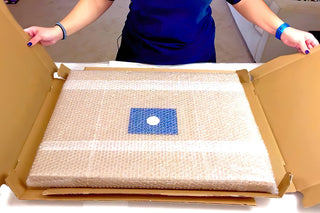
STEP 2 - SHIPPING
We ship your order. We send you an email to track the progress

STEP 3 - DELIVERY
You receive your order. You can also, according to your choice, be delivered to a relay point.
Matte finish
View from behind
Frame (optional)
Reproduction Pietà - Quentin Massys – Engaging Introduction
The "Pietà" by Quentin Massys is a work that transcends the simple pictorial frame to immerse the viewer in a profound reflection on suffering and compassion. Created in the early 16th century, this painting embodies the emotional and spiritual tensions of its time, while continuing to touch the hearts of those who contemplate it today. The depiction of the Virgin Mary holding the body of the dead Christ is a recurring theme in art history, but Massys' interpretation stands out for its sensitivity and evocative power. The delicate light caressing the faces of the protagonists, as well as the meticulous details of the drapery, create an atmosphere that is both intimate and solemn, inviting the viewer to share a moment of contemplation.
Style and uniqueness of the work
Massys' style is characterized by striking realism, typical of the Renaissance period. In the "Pietà," each element is carefully designed to reinforce the emotion emanating from the scene. Mary's face, filled with pain and devotion, contrasts with the disturbing serenity of Christ. The colors, though dark, are enhanced by luminous touches that accentuate the expressions of the characters and the texture of the fabrics. Massys manages to capture not only the sadness of the scene but also the depth of maternal love, making this work a true masterpiece of humanity. The details, such as Mary's delicate hands and Jesus' peaceful features, demonstrate technical mastery that places Massys among the great masters of his time. This painting is an invitation to explore human emotions in all their complexity, making each viewing of the work unique and personal.
The artist and his influence
Quentin Massys, born in Antwerp in the early 16th century, is often regarded as one of the pioneers of Flemish painting. His career is marked by a desire for innovation and a quest for truth in representation. Influenced by the great Italian masters, he successfully integrated elements of their style while preserving a distinct identity. The "Pietà" exemplifies this duality, combining a deep respect for tradition
12,34 €