
Painting Phytanthoza iconographia Pl207 - Johann Wilhelm Weinmann | Art print


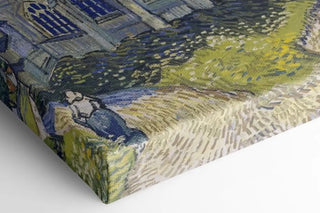
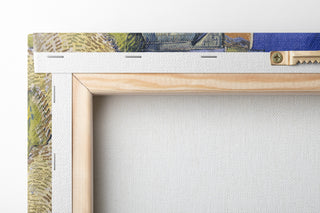
View from behind
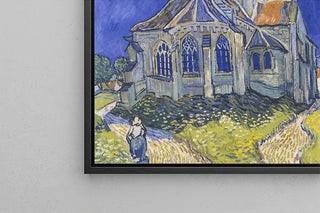
Frame (optional)
Phytanthoza iconographia Pl207: A celebration of biodiversity
The art print of Phytanthoza iconographia Pl207 is a captivating piece that immerses the viewer in a world of vibrant colors and intricate details. Johann Wilhelm Weinmann, as a botanical illustrator, masterfully captured the beauty of plants with remarkable precision. The bright shades of green, yellow, and red blend harmoniously, creating an atmosphere that is both lively and soothing. Each element of the composition seems to tell a story, inviting careful contemplation of nature's wonders. This canvas is much more than a simple illustration; it is an ode to floral diversity.
Johann Wilhelm Weinmann: a pioneer of botanical illustration
Johann Wilhelm Weinmann, active in the 18th century, is recognized for his essential role in the development of botanical illustration. His works, notably the series Phytanthoza, demonstrate his commitment to documenting the flora of his time. Influenced by botanical discoveries of his era, Weinmann combined art and science, making his illustrations both aesthetic and informative. His work has had a lasting impact on how plants are depicted in art, and he is often regarded as a forerunner in this field. The significance of his contributions lies in their ability to spark interest in botany and raise public awareness of the beauty of nature.
A decorative acquisition with multiple assets
The art print of Phytanthoza iconographia Pl207 is an ideal decorative choice for various spaces such as the living room, office, or bedroom. Its print quality and fidelity to the original details make it a captivating art piece that draws the eye. By incorporating this canvas into your interior, you bring a touch of nature and sophistication, while enriching the ambiance of your space. The aesthetic appeal of this work lies in its ability to harmonize with different styles of decoration, whether modern or classic. A true invitation to contemplation and escape.
Painting Phytanthoza iconographia Pl207 - Johann Wilhelm Weinmann | Art print

-10% FROM €95 IN PURCHASES
-15% FROM €195 IN PURCHASES
Regular price
- Unit price
- per
Free shipping
€4.90 / Free shipping on orders over €39
Satisfied or Money Back
Free returns within 30 days
10-year warranty
Our prints are guaranteed for 10 years
Any questions? We are here!
by email to contact@artemlegrand.com
THE STEPS OF YOUR ORDER

STEP 1 - ORDER PLACED
Your order has been confirmed and we are starting production
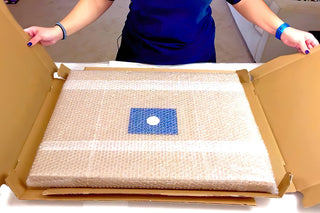
STEP 2 - SHIPPING
We ship your order. We send you an email to track the progress

STEP 3 - DELIVERY
You receive your order. You can also, according to your choice, be delivered to a relay point.
Matte finish
View from behind
Frame (optional)
Phytanthoza iconographia Pl207: A celebration of biodiversity
The art print of Phytanthoza iconographia Pl207 is a captivating piece that immerses the viewer in a world of vibrant colors and intricate details. Johann Wilhelm Weinmann, as a botanical illustrator, masterfully captured the beauty of plants with remarkable precision. The bright shades of green, yellow, and red blend harmoniously, creating an atmosphere that is both lively and soothing. Each element of the composition seems to tell a story, inviting careful contemplation of nature's wonders. This canvas is much more than a simple illustration; it is an ode to floral diversity.
Johann Wilhelm Weinmann: a pioneer of botanical illustration
Johann Wilhelm Weinmann, active in the 18th century, is recognized for his essential role in the development of botanical illustration. His works, notably the series Phytanthoza, demonstrate his commitment to documenting the flora of his time. Influenced by botanical discoveries of his era, Weinmann combined art and science, making his illustrations both aesthetic and informative. His work has had a lasting impact on how plants are depicted in art, and he is often regarded as a forerunner in this field. The significance of his contributions lies in their ability to spark interest in botany and raise public awareness of the beauty of nature.
A decorative acquisition with multiple assets
The art print of Phytanthoza iconographia Pl207 is an ideal decorative choice for various spaces such as the living room, office, or bedroom. Its print quality and fidelity to the original details make it a captivating art piece that draws the eye. By incorporating this canvas into your interior, you bring a touch of nature and sophistication, while enriching the ambiance of your space. The aesthetic appeal of this work lies in its ability to harmonize with different styles of decoration, whether modern or classic. A true invitation to contemplation and escape.