
Painting Peasant scene from the surroundings of Bern - Johann Karl Müllner | Art print


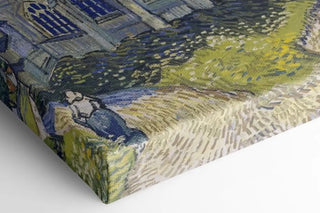
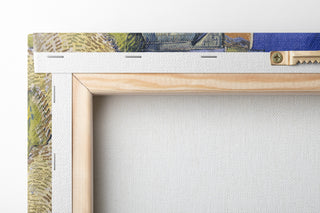
View from behind
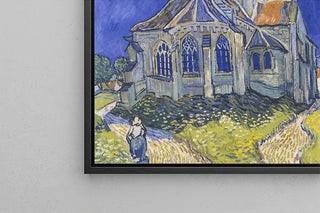
Frame (optional)
In the rich and captivating universe of art, some works manage to capture the essence of a moment, a place, and a culture with such intensity that they transcend time. The ((art print)) Paysanne des environs de Berne - Johann Karl Müllner presents itself as an open window into 19th-century Swiss rural life. This piece, both simple and poignant, evokes the lush landscapes around Bern while highlighting the beauty and dignity of agricultural work. Through Müllner's gaze, the viewer is invited to contemplate not only the scene depicted but also the stories and struggles hidden behind each face.
Style and uniqueness of the work
Johann Karl Müllner's style is characterized by meticulous attention to detail and a palette of earthy colors that evoke warmth and authenticity of peasant life. In this piece, the choice of natural hues reflects harmony with the landscape, while the composition emphasizes the central figure, a peasant woman, who appears both strong and vulnerable. This contrast creates an emotional tension that draws the eye and evokes immediate empathy. The features of the peasant woman's face, marked by fatigue and determination, tell a silent story, that of a life dedicated to the land and seasons. The way light plays on the textures of clothing and surrounding vegetation reveals technical mastery that places Müllner among the remarkable artists of his time.
The artist and his influence
Johann Karl Müllner, born in 1801, is often regarded as an emblematic representative of the Romantic movement in Switzerland. His career is marked by a deep admiration for nature and a desire to depict the daily life of his contemporaries. Influenced by the great masters of the past, Müllner manages to combine tradition and innovation by integrating elements of realism into his works. His ability to capture the human soul through ordinary scenes inspired many artists of his time and subsequent generations. Focusing on rural subjects and highlighting the beauty of Swiss landscapes, he contributed to creating a national artistic identity, celebrating the richness of the Swiss cultural heritage.
Painting Peasant scene from the surroundings of Bern - Johann Karl Müllner | Art print

-10% FROM €95 IN PURCHASES
-15% FROM €195 IN PURCHASES
Regular price
- Unit price
- per
Tax included.
Free shipping
€4.90 / Free shipping on orders over €39
Satisfied or Money Back
Free returns within 30 days
10-year warranty
Our prints are guaranteed for 10 years
Any questions? We are here!
by email to contact@artemlegrand.com
THE STEPS OF YOUR ORDER

STEP 1 - ORDER PLACED
Your order has been confirmed and we are starting production
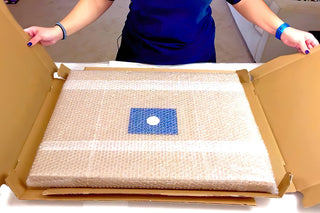
STEP 2 - SHIPPING
We ship your order. We send you an email to track the progress

STEP 3 - DELIVERY
You receive your order. You can also, according to your choice, be delivered to a relay point.
Matte finish
View from behind
Frame (optional)
In the rich and captivating universe of art, some works manage to capture the essence of a moment, a place, and a culture with such intensity that they transcend time. The ((art print)) Paysanne des environs de Berne - Johann Karl Müllner presents itself as an open window into 19th-century Swiss rural life. This piece, both simple and poignant, evokes the lush landscapes around Bern while highlighting the beauty and dignity of agricultural work. Through Müllner's gaze, the viewer is invited to contemplate not only the scene depicted but also the stories and struggles hidden behind each face.
Style and uniqueness of the work
Johann Karl Müllner's style is characterized by meticulous attention to detail and a palette of earthy colors that evoke warmth and authenticity of peasant life. In this piece, the choice of natural hues reflects harmony with the landscape, while the composition emphasizes the central figure, a peasant woman, who appears both strong and vulnerable. This contrast creates an emotional tension that draws the eye and evokes immediate empathy. The features of the peasant woman's face, marked by fatigue and determination, tell a silent story, that of a life dedicated to the land and seasons. The way light plays on the textures of clothing and surrounding vegetation reveals technical mastery that places Müllner among the remarkable artists of his time.
The artist and his influence
Johann Karl Müllner, born in 1801, is often regarded as an emblematic representative of the Romantic movement in Switzerland. His career is marked by a deep admiration for nature and a desire to depict the daily life of his contemporaries. Influenced by the great masters of the past, Müllner manages to combine tradition and innovation by integrating elements of realism into his works. His ability to capture the human soul through ordinary scenes inspired many artists of his time and subsequent generations. Focusing on rural subjects and highlighting the beauty of Swiss landscapes, he contributed to creating a national artistic identity, celebrating the richness of the Swiss cultural heritage.
12,34 €