
Painting Otto Benzon - Christian Krohg | Art print


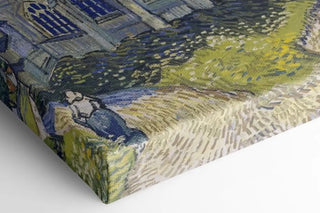
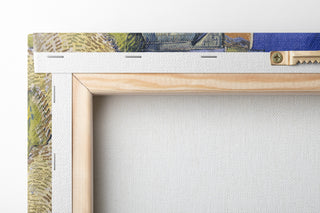
View from behind
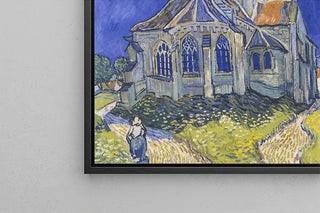
Frame (optional)
Reproduction Otto Benzon - Christian Krohg – Captivating Introduction
The artwork "Otto Benzon" by Christian Krohg stands as a vibrant testament to the artistic richness of the 19th century. In a world where art is often seen as a mere reflection of reality, Krohg manages to transcend this notion by capturing the very essence of his subjects. Through this piece, the viewer is drawn into an atmosphere where intimacy and everyday life blend with striking emotional depth. The depiction of Otto Benzon, an iconic figure of his time, resonates with an authenticity that invites contemplation and reflection.
Style and uniqueness of the artwork
Christian Krohg's style is distinguished by his ability to combine realism with a touch of impressionism. In "Otto Benzon," delicate brushstrokes and nuanced colors create an atmosphere that is both warm and thoughtful. The artist skillfully plays with light, highlighting Benzon's facial features while maintaining a certain shadow that suggests the complexity of his character. The piece does not merely depict a man; it tells a story. Every detail, from the background to the facial expression, is carefully considered to engage the viewer in an immersive experience. The texture of the painting, both soft and vibrant, contributes to this sense of authenticity, as if one could almost touch the canvas and feel the artist's energy.
The artist and his influence
Christian Krohg, a major figure of the Scandinavian art movement, was able to leave his mark on his era through a deep commitment to social and human realities. His artistic journey is marked by encounters and inspirations that led him to explore various themes, ranging from daily life to more profound reflections on the human condition. Influenced by masters such as Edvard Munch and French impressionists, Krohg developed a style that is uniquely his own, combining meticulous observation with a personal interpretation of the subjects he chooses to paint. His ability to capture the soul of his contemporaries, as exemplified by "Otto Benzon," allowed him to leave an indelible mark in the art world, inspiring many generations of artists to
Painting Otto Benzon - Christian Krohg | Art print

-10% FROM €95 IN PURCHASES
-15% FROM €195 IN PURCHASES
Regular price
- Unit price
- per
Free shipping
€4.90 / Free shipping on orders over €39
Satisfied or Money Back
Free returns within 30 days
10-year warranty
Our prints are guaranteed for 10 years
Any questions? We are here!
by email to contact@artemlegrand.com
THE STEPS OF YOUR ORDER

STEP 1 - ORDER PLACED
Your order has been confirmed and we are starting production
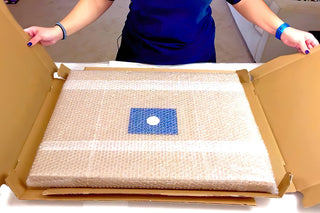
STEP 2 - SHIPPING
We ship your order. We send you an email to track the progress

STEP 3 - DELIVERY
You receive your order. You can also, according to your choice, be delivered to a relay point.
Matte finish
View from behind
Frame (optional)
Reproduction Otto Benzon - Christian Krohg – Captivating Introduction
The artwork "Otto Benzon" by Christian Krohg stands as a vibrant testament to the artistic richness of the 19th century. In a world where art is often seen as a mere reflection of reality, Krohg manages to transcend this notion by capturing the very essence of his subjects. Through this piece, the viewer is drawn into an atmosphere where intimacy and everyday life blend with striking emotional depth. The depiction of Otto Benzon, an iconic figure of his time, resonates with an authenticity that invites contemplation and reflection.
Style and uniqueness of the artwork
Christian Krohg's style is distinguished by his ability to combine realism with a touch of impressionism. In "Otto Benzon," delicate brushstrokes and nuanced colors create an atmosphere that is both warm and thoughtful. The artist skillfully plays with light, highlighting Benzon's facial features while maintaining a certain shadow that suggests the complexity of his character. The piece does not merely depict a man; it tells a story. Every detail, from the background to the facial expression, is carefully considered to engage the viewer in an immersive experience. The texture of the painting, both soft and vibrant, contributes to this sense of authenticity, as if one could almost touch the canvas and feel the artist's energy.
The artist and his influence
Christian Krohg, a major figure of the Scandinavian art movement, was able to leave his mark on his era through a deep commitment to social and human realities. His artistic journey is marked by encounters and inspirations that led him to explore various themes, ranging from daily life to more profound reflections on the human condition. Influenced by masters such as Edvard Munch and French impressionists, Krohg developed a style that is uniquely his own, combining meticulous observation with a personal interpretation of the subjects he chooses to paint. His ability to capture the soul of his contemporaries, as exemplified by "Otto Benzon," allowed him to leave an indelible mark in the art world, inspiring many generations of artists to