
Art print Portrait of Ottilia Giacometti - Giovanni Giacometti


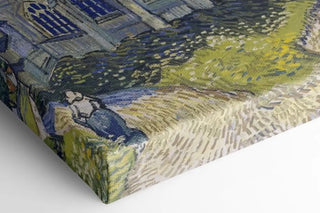
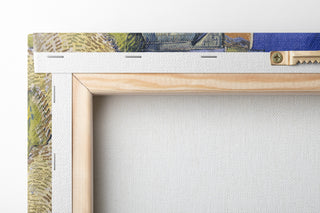
View from behind
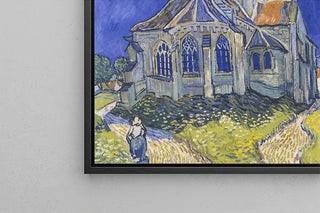
Frame (optional)
The "Art print of Ottilia Giacometti Portrait" is an iconic work by Swiss painter Giovanni Giacometti, an artist whose sensitivity and technical mastery have left a lasting mark on the 20th-century art scene. This painting, which captures the very essence of his model, Ottilia, the artist's wife, represents much more than a simple portrait. It is an intimate exploration of the relationship between the artist and his subject, where each brushstroke seems to vibrate with emotion. The soft light bathing Ottilia's face and the delicate colors composing this artwork invite us to immerse ourselves in a universe where time appears suspended. Thus, this piece stands out as a poignant testament to the love and devotion Giacometti had for his muse.
Style and uniqueness of the work
Giovanni Giacometti's style is characterized by a blend of figurative and expressive approaches. In the "Art print of Ottilia Giacometti Portrait", he manages to transcend mere representation to offer a true sensory experience. The forms are delicately modeled, and the color palette chosen evokes a gentle and soothing atmosphere. The shades of blue and earth tones, combined with luminous touches, create a harmony that envelops the viewer. Ottilia's gaze, both serene and penetrating, seems to tell a story— that of a strong and sensitive woman, captured in a moment of contemplation. This portrait, far from being just an image, becomes an open window to the soul of its subject, revealing deep and complex emotions.
The artist and his influence
Giovanni Giacometti, born in 1868, is one of the major representatives of Swiss art. His artistic journey is marked by an incessant quest for authenticity and emotional truth. Influenced by the artistic movements of his time, he developed a distinctive style that combines tradition and modernity. His work is often seen as a bridge between Impressionism and Expressionism, allowing him to capture not only the physical appearance of his subjects but also their inner essence. The relationship he maintained with Ottilia, his muse,
Art print Portrait of Ottilia Giacometti - Giovanni Giacometti

-10% FROM €95 IN PURCHASES
-15% FROM €195 IN PURCHASES
Regular price
- Unit price
- per
Tax included.
Free shipping
€4.90 / Free shipping on orders over €39
Satisfied or Money Back
Free returns within 30 days
10-year warranty
Our prints are guaranteed for 10 years
Any questions? We are here!
by email to contact@artemlegrand.com
THE STEPS OF YOUR ORDER
STEP 1 - ORDER PLACED
Your order has been confirmed and we are starting production
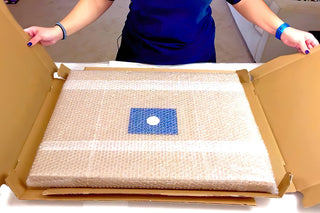
STEP 2 - SHIPPING
We ship your order. We send you an email to track the progress

STEP 3 - DELIVERY
You receive your order. You can also, according to your choice, be delivered to a relay point.
Matte finish
View from behind
Frame (optional)
The "Art print of Ottilia Giacometti Portrait" is an iconic work by Swiss painter Giovanni Giacometti, an artist whose sensitivity and technical mastery have left a lasting mark on the 20th-century art scene. This painting, which captures the very essence of his model, Ottilia, the artist's wife, represents much more than a simple portrait. It is an intimate exploration of the relationship between the artist and his subject, where each brushstroke seems to vibrate with emotion. The soft light bathing Ottilia's face and the delicate colors composing this artwork invite us to immerse ourselves in a universe where time appears suspended. Thus, this piece stands out as a poignant testament to the love and devotion Giacometti had for his muse.
Style and uniqueness of the work
Giovanni Giacometti's style is characterized by a blend of figurative and expressive approaches. In the "Art print of Ottilia Giacometti Portrait", he manages to transcend mere representation to offer a true sensory experience. The forms are delicately modeled, and the color palette chosen evokes a gentle and soothing atmosphere. The shades of blue and earth tones, combined with luminous touches, create a harmony that envelops the viewer. Ottilia's gaze, both serene and penetrating, seems to tell a story— that of a strong and sensitive woman, captured in a moment of contemplation. This portrait, far from being just an image, becomes an open window to the soul of its subject, revealing deep and complex emotions.
The artist and his influence
Giovanni Giacometti, born in 1868, is one of the major representatives of Swiss art. His artistic journey is marked by an incessant quest for authenticity and emotional truth. Influenced by the artistic movements of his time, he developed a distinctive style that combines tradition and modernity. His work is often seen as a bridge between Impressionism and Expressionism, allowing him to capture not only the physical appearance of his subjects but also their inner essence. The relationship he maintained with Ottilia, his muse,
12,34 €