
Orange painting in a porcelain bowl with chestnuts on a pedestal - Martinus Nellius | Art print


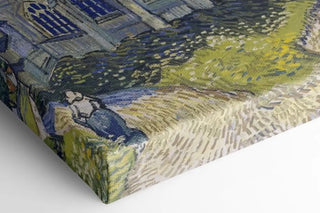
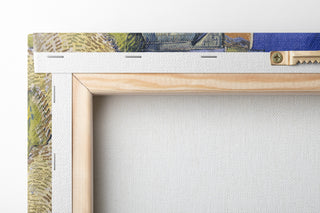
View from behind
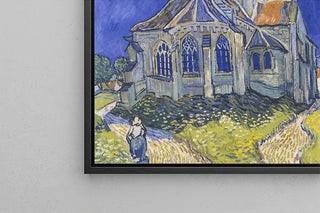
Frame (optional)
In the world of 17th-century Dutch painting, the artwork "Orange in a porcelain bowl and chestnuts on a plinth" by Martinus Nellius stands out for its elegance and subtlety. This canvas, both simple and rich, evokes an atmosphere of serenity and contemplation. By paying close attention to this composition, the viewer is immediately transported into a universe where nature and art meet in harmony. The juxtaposition of fruits and everyday objects invites reflection on the ephemeral beauty of things, while celebrating the artist's technical mastery.
Style and uniqueness of the work
Nellius's work is characterized by a style that combines realism and sensitivity. The meticulous details of the chestnuts and the smooth texture of the orange, carefully arranged in a delicate porcelain bowl, demonstrate exceptional craftsmanship. The light, omnipresent in the composition, plays a vital role, creating soft shadows and reflections that animate the scene. The color palette, rich yet subtle, contributes to the overall harmony of the piece, while the choice of objects evokes a certain intimacy. Nellius manages to capture not only the form but also the very essence of the depicted elements, making the work deeply lively and engaging.
The artist and his influence
Martinus Nellius, although less known than some of his contemporaries, has established himself through his unique vision of still life. Operating within an artistic context where realism was king, he brought a personal touch to this genre. His work aligns with the Dutch masters but is distinguished by a sensitivity to light and color that is his own. His influence, though discreet, left its mark on his contemporaries and paved the way for a deeper appreciation of still life. By exploring themes of beauty and transience, Nellius contributed to enriching the artistic dialogue of his time, leaving a legacy that continues to inspire artists today.
A wall decoration
Orange painting in a porcelain bowl with chestnuts on a pedestal - Martinus Nellius | Art print

-10% FROM €95 IN PURCHASES
-15% FROM €195 IN PURCHASES
Regular price
- Unit price
- per
Tax included.
Free shipping
€4.90 / Free shipping on orders over €39
Satisfied or Money Back
Free returns within 30 days
10-year warranty
Our prints are guaranteed for 10 years
Any questions? We are here!
by email to contact@artemlegrand.com
THE STEPS OF YOUR ORDER

STEP 1 - ORDER PLACED
Your order has been confirmed and we are starting production
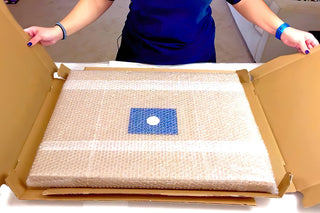
STEP 2 - SHIPPING
We ship your order. We send you an email to track the progress

STEP 3 - DELIVERY
You receive your order. You can also, according to your choice, be delivered to a relay point.
Matte finish
View from behind
Frame (optional)
In the world of 17th-century Dutch painting, the artwork "Orange in a porcelain bowl and chestnuts on a plinth" by Martinus Nellius stands out for its elegance and subtlety. This canvas, both simple and rich, evokes an atmosphere of serenity and contemplation. By paying close attention to this composition, the viewer is immediately transported into a universe where nature and art meet in harmony. The juxtaposition of fruits and everyday objects invites reflection on the ephemeral beauty of things, while celebrating the artist's technical mastery.
Style and uniqueness of the work
Nellius's work is characterized by a style that combines realism and sensitivity. The meticulous details of the chestnuts and the smooth texture of the orange, carefully arranged in a delicate porcelain bowl, demonstrate exceptional craftsmanship. The light, omnipresent in the composition, plays a vital role, creating soft shadows and reflections that animate the scene. The color palette, rich yet subtle, contributes to the overall harmony of the piece, while the choice of objects evokes a certain intimacy. Nellius manages to capture not only the form but also the very essence of the depicted elements, making the work deeply lively and engaging.
The artist and his influence
Martinus Nellius, although less known than some of his contemporaries, has established himself through his unique vision of still life. Operating within an artistic context where realism was king, he brought a personal touch to this genre. His work aligns with the Dutch masters but is distinguished by a sensitivity to light and color that is his own. His influence, though discreet, left its mark on his contemporaries and paved the way for a deeper appreciation of still life. By exploring themes of beauty and transience, Nellius contributed to enriching the artistic dialogue of his time, leaving a legacy that continues to inspire artists today.
A wall decoration
12,34 €