
Painting Old Peasant - Michael Sweerts | Art print


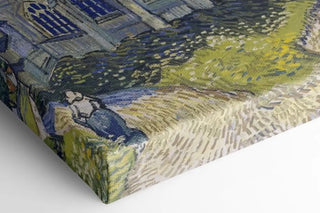
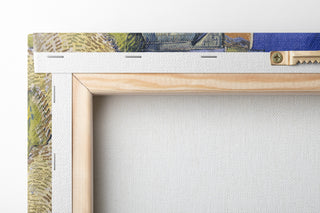
View from behind
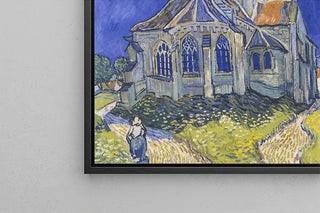
Frame (optional)
The artwork "Vieux Paysan" by Michael Sweerts, painted in the 17th century, depicts a moment of contemplation that transcends time and space. This painting, imbued with realism and emotional depth, invites the viewer to immerse themselves in the universe of a simple man, whose gaze seems to tell forgotten stories. The soft light illuminating the weathered face of the peasant evokes an atmosphere of serenity and wisdom, while the shades of warm, earthy colors reinforce the connection to rural life. In this art print Vieux Paysan - Michael Sweerts, every detail becomes a window into the past, a tribute to the dignity of the worker.
Style and uniqueness of the work
Sweerts' style is characterized by meticulous attention to detail and mastery of light play. In "Vieux Paysan," the artist manages to capture not only the physical appearance of his subject but also his inner essence. The texture of the skin, the wrinkles that tell a life of labor, and the contemplative expression of the peasant are all elements that testify to the psychological depth of the piece. The color palette, dominated by warm and natural tones, creates an intimate, almost tactile atmosphere. Each brushstroke seems to be a caress, an invitation to feel the emotions of the character. By choosing to depict a man of the people, Sweerts moves away from the conventions of his time, where aristocratic portraits were the norm. This bold choice reflects a social sensitivity that gives the work a universal dimension.
The artist and his influence
Michael Sweerts, born in 1618 in Brussels, was a painter whose career extended across Europe, notably in Rome and Amsterdam. His work, although less well-known than that of his contemporaries, has nonetheless left an indelible mark on the artistic landscape of the 17th century. Influenced by Caravaggio and the Flemish masters, Sweerts developed a style that combines realism and poetry. His ability to capture the psychology of his subjects, whether peasants, children, or religious figures, demonstrates a profound understanding of human nature. Themes of solitude and contemplation
Painting Old Peasant - Michael Sweerts | Art print

-10% FROM €95 IN PURCHASES
-15% FROM €195 IN PURCHASES
Regular price
- Unit price
- per
Tax included.
Free shipping
€4.90 / Free shipping on orders over €39
Satisfied or Money Back
Free returns within 30 days
10-year warranty
Our prints are guaranteed for 10 years
Any questions? We are here!
by email to contact@artemlegrand.com
THE STEPS OF YOUR ORDER

STEP 1 - ORDER PLACED
Your order has been confirmed and we are starting production
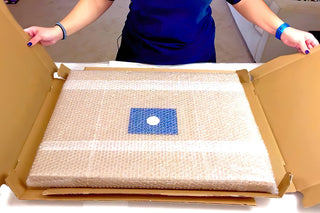
STEP 2 - SHIPPING
We ship your order. We send you an email to track the progress

STEP 3 - DELIVERY
You receive your order. You can also, according to your choice, be delivered to a relay point.
Matte finish
View from behind
Frame (optional)
The artwork "Vieux Paysan" by Michael Sweerts, painted in the 17th century, depicts a moment of contemplation that transcends time and space. This painting, imbued with realism and emotional depth, invites the viewer to immerse themselves in the universe of a simple man, whose gaze seems to tell forgotten stories. The soft light illuminating the weathered face of the peasant evokes an atmosphere of serenity and wisdom, while the shades of warm, earthy colors reinforce the connection to rural life. In this art print Vieux Paysan - Michael Sweerts, every detail becomes a window into the past, a tribute to the dignity of the worker.
Style and uniqueness of the work
Sweerts' style is characterized by meticulous attention to detail and mastery of light play. In "Vieux Paysan," the artist manages to capture not only the physical appearance of his subject but also his inner essence. The texture of the skin, the wrinkles that tell a life of labor, and the contemplative expression of the peasant are all elements that testify to the psychological depth of the piece. The color palette, dominated by warm and natural tones, creates an intimate, almost tactile atmosphere. Each brushstroke seems to be a caress, an invitation to feel the emotions of the character. By choosing to depict a man of the people, Sweerts moves away from the conventions of his time, where aristocratic portraits were the norm. This bold choice reflects a social sensitivity that gives the work a universal dimension.
The artist and his influence
Michael Sweerts, born in 1618 in Brussels, was a painter whose career extended across Europe, notably in Rome and Amsterdam. His work, although less well-known than that of his contemporaries, has nonetheless left an indelible mark on the artistic landscape of the 17th century. Influenced by Caravaggio and the Flemish masters, Sweerts developed a style that combines realism and poetry. His ability to capture the psychology of his subjects, whether peasants, children, or religious figures, demonstrates a profound understanding of human nature. Themes of solitude and contemplation
12,34 €