
Art print Oenothera speciosa - William Jackson Hooker | Art print


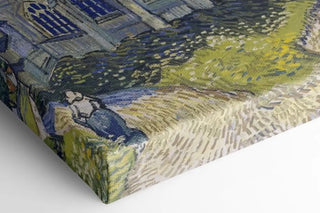
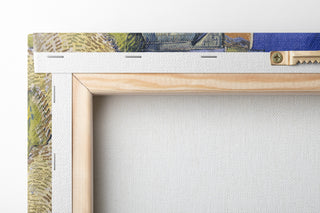
View from behind
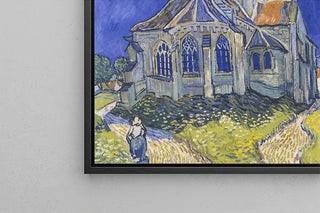
Frame (optional)
In the fascinating world of botanical art, the artwork "Oenothera speciosa - William Jackson Hooker" stands out for its delicate beauty and scientific approach. This depiction of the flower, also known as the "evening flower," goes beyond a simple drawing. It evokes harmony between nature and art, bearing witness to the wonder inspired by flora. Hooker, through his talent, manages to capture the very essence of this plant, blending precision and aesthetics in a tableau that invites contemplation. The art print of this piece allows you to immerse yourself in a universe where each petal, each leaf, tells a story—one of nature and meticulous observation that accompanies it.
Style and uniqueness of the work
Hooker's style is characterized by a naturalist approach, marked by detailed intricacy and a soft, soothing color palette. In "Oenothera speciosa," the precision of the lines and the delicacy of the shadows reveal undeniable technical mastery. Every element is carefully studied, every color chosen with care to pay homage to the intrinsic beauty of the plant. The composition of the work, though simple, evokes a depth that transcends mere visual aspect. Hooker succeeds in creating an atmosphere where the viewer can almost smell the flowers and hear the rustling of the leaves. This ability to fuse art and science makes his work a true ode to nature, inviting everyone to rediscover the beauty that surrounds us.
The artist and his influence
William Jackson Hooker, botanist and artist, is an emblematic figure of the 19th century, whose influence extends far beyond his time. His commitment to botany and his passion for art have helped bring many species to a wider audience. Hooker mastered the art of combining his two passions, becoming a pioneer in botanical illustration. His works, including "Oenothera speciosa," are not only testimonies of his artistic talent but also valuable scientific contributions. Paying homage to flora, he inspired generations of artists and scientists, showing them that the beauty of
Art print Oenothera speciosa - William Jackson Hooker | Art print

-10% FROM €95 IN PURCHASES
-15% FROM €195 IN PURCHASES
Regular price
- Unit price
- per
Tax included.
Free shipping
€4.90 / Free shipping on orders over €39
Satisfied or Money Back
Free returns within 30 days
10-year warranty
Our prints are guaranteed for 10 years
Any questions? We are here!
by email to contact@artemlegrand.com
THE STEPS OF YOUR ORDER

STEP 1 - ORDER PLACED
Your order has been confirmed and we are starting production
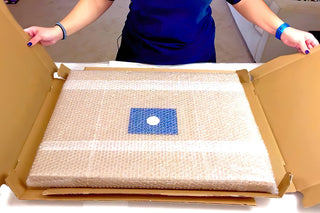
STEP 2 - SHIPPING
We ship your order. We send you an email to track the progress

STEP 3 - DELIVERY
You receive your order. You can also, according to your choice, be delivered to a relay point.
Matte finish
View from behind
Frame (optional)
In the fascinating world of botanical art, the artwork "Oenothera speciosa - William Jackson Hooker" stands out for its delicate beauty and scientific approach. This depiction of the flower, also known as the "evening flower," goes beyond a simple drawing. It evokes harmony between nature and art, bearing witness to the wonder inspired by flora. Hooker, through his talent, manages to capture the very essence of this plant, blending precision and aesthetics in a tableau that invites contemplation. The art print of this piece allows you to immerse yourself in a universe where each petal, each leaf, tells a story—one of nature and meticulous observation that accompanies it.
Style and uniqueness of the work
Hooker's style is characterized by a naturalist approach, marked by detailed intricacy and a soft, soothing color palette. In "Oenothera speciosa," the precision of the lines and the delicacy of the shadows reveal undeniable technical mastery. Every element is carefully studied, every color chosen with care to pay homage to the intrinsic beauty of the plant. The composition of the work, though simple, evokes a depth that transcends mere visual aspect. Hooker succeeds in creating an atmosphere where the viewer can almost smell the flowers and hear the rustling of the leaves. This ability to fuse art and science makes his work a true ode to nature, inviting everyone to rediscover the beauty that surrounds us.
The artist and his influence
William Jackson Hooker, botanist and artist, is an emblematic figure of the 19th century, whose influence extends far beyond his time. His commitment to botany and his passion for art have helped bring many species to a wider audience. Hooker mastered the art of combining his two passions, becoming a pioneer in botanical illustration. His works, including "Oenothera speciosa," are not only testimonies of his artistic talent but also valuable scientific contributions. Paying homage to flora, he inspired generations of artists and scientists, showing them that the beauty of
12,34 €