
Art print of a naval battle with barbaric corsairs - Laureys a Castro


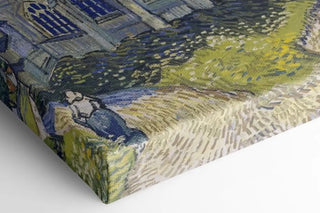
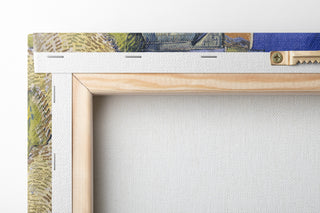
View from behind
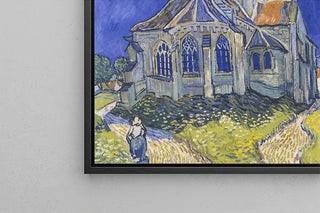
Frame (optional)
In the vast panorama of maritime art, the artwork "A naval battle with Barbary corsairs" by Laureys a Castro stands out for its dynamism and visual intensity. This painting, which depicts a tumultuous confrontation between corsair ships, evokes not only the maritime conflicts of the 17th century but also the passion and drama inherent in these battles. The scene, vibrant with movement, transports the viewer to the heart of the action, where white sails mingle with flashes of light and the threatening shadows of storm clouds. The art print of this piece allows for a rediscovery of the artist's genius and an immersion into a moment when the sea was both a land of conquest and a source of mysteries.
Style and uniqueness of the work
The style of Laureys a Castro is characterized by an exceptional mastery of light and movement. In "A naval battle with Barbary corsairs," the tumultuous waves seem almost tangible, while the ships, skillfully rendered, fight against the elements and each other. The color palette, rich and contrasted, emphasizes the dramatic tension of the scene. The meticulous details of the sails, armaments, and human figures testify to a scrupulous attention to historical accuracy while offering an almost theatrical dimension to the whole. Each element of the composition, from water splashes to sailors' cries, contributes to creating an immersive atmosphere that captures the imagination and evokes stories of bravery and danger.
The artist and his influence
Laureys a Castro, a Flemish painter active in the 17th century, is often recognized for his significant contribution to maritime painting. His work fits within a tradition that blends realism and drama, placing his compositions within a captivating narrative framework. Influenced by the great masters of his time, he developed a style that is uniquely his own, highlighting not only the beauty of ships but also the anxiety of maritime battles. Castro was able to capture the collective imagination of his era, where the sea was both a symbol of freedom and
Art print of a naval battle with barbaric corsairs - Laureys a Castro

-10% FROM €95 IN PURCHASES
-15% FROM €195 IN PURCHASES
Regular price
- Unit price
- per
Tax included.
Free shipping
€4.90 / Free shipping on orders over €39
Satisfied or Money Back
Free returns within 30 days
10-year warranty
Our prints are guaranteed for 10 years
Any questions? We are here!
by email to contact@artemlegrand.com
THE STEPS OF YOUR ORDER

STEP 1 - ORDER PLACED
Your order has been confirmed and we are starting production
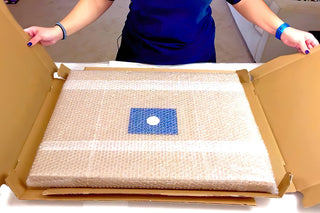
STEP 2 - SHIPPING
We ship your order. We send you an email to track the progress

STEP 3 - DELIVERY
You receive your order. You can also, according to your choice, be delivered to a relay point.
Matte finish
View from behind
Frame (optional)
In the vast panorama of maritime art, the artwork "A naval battle with Barbary corsairs" by Laureys a Castro stands out for its dynamism and visual intensity. This painting, which depicts a tumultuous confrontation between corsair ships, evokes not only the maritime conflicts of the 17th century but also the passion and drama inherent in these battles. The scene, vibrant with movement, transports the viewer to the heart of the action, where white sails mingle with flashes of light and the threatening shadows of storm clouds. The art print of this piece allows for a rediscovery of the artist's genius and an immersion into a moment when the sea was both a land of conquest and a source of mysteries.
Style and uniqueness of the work
The style of Laureys a Castro is characterized by an exceptional mastery of light and movement. In "A naval battle with Barbary corsairs," the tumultuous waves seem almost tangible, while the ships, skillfully rendered, fight against the elements and each other. The color palette, rich and contrasted, emphasizes the dramatic tension of the scene. The meticulous details of the sails, armaments, and human figures testify to a scrupulous attention to historical accuracy while offering an almost theatrical dimension to the whole. Each element of the composition, from water splashes to sailors' cries, contributes to creating an immersive atmosphere that captures the imagination and evokes stories of bravery and danger.
The artist and his influence
Laureys a Castro, a Flemish painter active in the 17th century, is often recognized for his significant contribution to maritime painting. His work fits within a tradition that blends realism and drama, placing his compositions within a captivating narrative framework. Influenced by the great masters of his time, he developed a style that is uniquely his own, highlighting not only the beauty of ships but also the anxiety of maritime battles. Castro was able to capture the collective imagination of his era, where the sea was both a symbol of freedom and
12,34 €