
Art print Natural History of Saint-Domingue Pl055 - René de Rabi


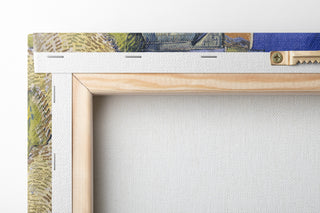
View from behind
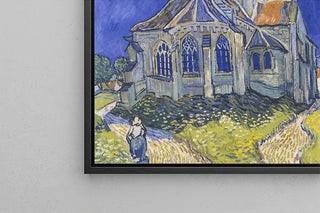
Frame (optional)
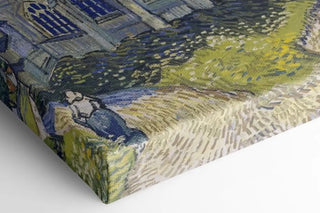
The work titled "Histoire naturelle de Saint-Domingue Pl055" by René de Rabi is a masterpiece that immerses us in a universe rich in colors and details. This art print offers a fascinating window into the biodiversity and landscapes of Saint-Domingue in the 17th century, a pivotal moment when scientific and artistic exploration converged. Rabi, with his keen eye and undeniable talent, manages to capture the very essence of this island, both paradisiacal and complex. Every element of the composition seems to tell a story, inviting the viewer to ponder the wonders of nature and the human interactions surrounding it.
Style and uniqueness of the work
René de Rabi's style is distinguished by exceptional meticulousness and attention to detail. In this piece, the vibrant color palette evokes the tropical heat of Saint-Domingue, while the delicate forms of plants and animals testify to rigorous observation. Rabi does not merely reproduce reality; he interprets it, adding an almost poetic dimension to his work. The textures of the foliage, the brightness of the flowers, and the liveliness of the animals intertwine to create a captivating visual harmony. This painting is not just a simple illustration; it is a celebration of natural beauty, an invitation to explore the wonders of the living world.
The artist and his influence
René de Rabi, an emblematic figure of his time, knew how to combine art and science in an innovative approach. Trained in a context where curiosity about the natural world was booming, he contributed to documenting and appreciating the fauna and flora of the colonies. His work is the result of a passion for exploration and knowledge, reflecting the quest for understanding that animated many artists and scientists of his era. Through his creations, Rabi not only enriched the artistic heritage but also influenced subsequent generations of artists and naturalists. His meticulous approach and sense of aesthetics paved the way for a new way of seeing and representing nature, blending scientific observation
Art print Natural History of Saint-Domingue Pl055 - René de Rabi

-10% FROM €95 IN PURCHASES
-15% FROM €195 IN PURCHASES
Regular price
- Unit price
- per
Tax included.
Free shipping
€4.90 / Free shipping on orders over €39
Satisfied or Money Back
Free returns within 30 days
10-year warranty
Our prints are guaranteed for 10 years
Any questions? We are here!
by email to contact@artemlegrand.com
THE STEPS OF YOUR ORDER

STEP 1 - ORDER PLACED
Your order has been confirmed and we are starting production
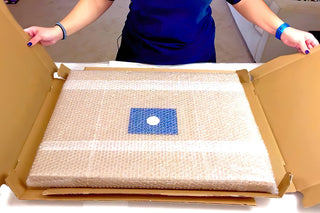
STEP 2 - SHIPPING
We ship your order. We send you an email to track the progress

STEP 3 - DELIVERY
You receive your order. You can also, according to your choice, be delivered to a relay point.
Matte finish
View from behind
Frame (optional)
The work titled "Histoire naturelle de Saint-Domingue Pl055" by René de Rabi is a masterpiece that immerses us in a universe rich in colors and details. This art print offers a fascinating window into the biodiversity and landscapes of Saint-Domingue in the 17th century, a pivotal moment when scientific and artistic exploration converged. Rabi, with his keen eye and undeniable talent, manages to capture the very essence of this island, both paradisiacal and complex. Every element of the composition seems to tell a story, inviting the viewer to ponder the wonders of nature and the human interactions surrounding it.
Style and uniqueness of the work
René de Rabi's style is distinguished by exceptional meticulousness and attention to detail. In this piece, the vibrant color palette evokes the tropical heat of Saint-Domingue, while the delicate forms of plants and animals testify to rigorous observation. Rabi does not merely reproduce reality; he interprets it, adding an almost poetic dimension to his work. The textures of the foliage, the brightness of the flowers, and the liveliness of the animals intertwine to create a captivating visual harmony. This painting is not just a simple illustration; it is a celebration of natural beauty, an invitation to explore the wonders of the living world.
The artist and his influence
René de Rabi, an emblematic figure of his time, knew how to combine art and science in an innovative approach. Trained in a context where curiosity about the natural world was booming, he contributed to documenting and appreciating the fauna and flora of the colonies. His work is the result of a passion for exploration and knowledge, reflecting the quest for understanding that animated many artists and scientists of his era. Through his creations, Rabi not only enriched the artistic heritage but also influenced subsequent generations of artists and naturalists. His meticulous approach and sense of aesthetics paved the way for a new way of seeing and representing nature, blending scientific observation
12,34 €