
Art print My God, my God, why have you forsaken me? - James Tissot | Art print


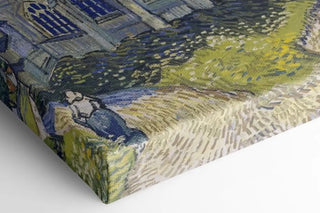
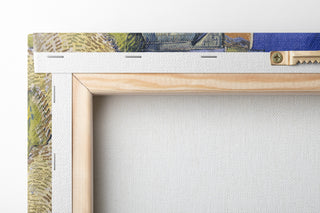
View from behind
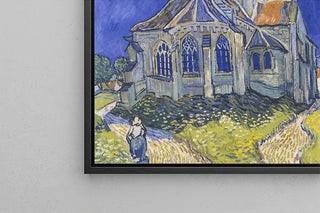
Frame (optional)
In the rich and complex universe of religious art, the artwork "My God, my God, why have you forsaken me?" by James Tissot stands out for its profound emotional intensity. This piece, which evokes the final moments of Christ on the cross, captures the very essence of human suffering and the quest for redemption. Through its delicate treatment of colors and forms, Tissot manages to transcend the simple biblical narrative to offer a visual meditation on pain and abandonment. This masterpiece invites viewers to reflect on their own spirituality and the meaning of suffering. The art print of this work allows you to immerse yourself in this unparalleled spiritual universe, while providing an opportunity for personal reflection.
Style and uniqueness of the work
Tissot's work is characterized by poignant realism, expressed through meticulous details and carefully orchestrated composition. Every element of the scene is designed to enhance the emotional impact of the whole. The figure of Christ, central and majestic, is surrounded by characters expressing a range of emotions, from pain to compassion. Light plays a crucial role in this composition, illuminating Christ's face while plunging the rest of the scene into a disturbing shadow. This duality between light and darkness emphasizes the message of the work, highlighting the feeling of abandonment while offering a glimmer of hope. Tissot, through his narrative style, manages to tell a story that transcends time and space, allowing each viewer to connect with the artwork in a personal and intimate way.
The artist and his influence
James Tissot, an artist of French origin, made his mark on his era with an innovative approach to religious art. His career, spanning several decades, was marked by travels and discoveries that nourished his work. Tissot was deeply influenced by English culture and biblical stories, which is reflected in his works imbued with palpable spirituality. He was able to combine a keen sense of observation with a unique artistic sensitivity, which allowed him
Art print My God, my God, why have you forsaken me? - James Tissot | Art print

-10% FROM €95 IN PURCHASES
-15% FROM €195 IN PURCHASES
Regular price
- Unit price
- per
Tax included.
Free shipping
€4.90 / Free shipping on orders over €39
Satisfied or Money Back
Free returns within 30 days
10-year warranty
Our prints are guaranteed for 10 years
Any questions? We are here!
by email to contact@artemlegrand.com
THE STEPS OF YOUR ORDER

STEP 1 - ORDER PLACED
Your order has been confirmed and we are starting production
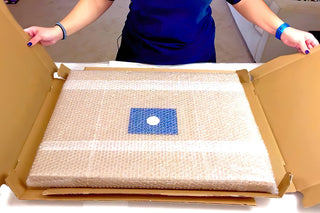
STEP 2 - SHIPPING
We ship your order. We send you an email to track the progress

STEP 3 - DELIVERY
You receive your order. You can also, according to your choice, be delivered to a relay point.
Matte finish
View from behind
Frame (optional)
In the rich and complex universe of religious art, the artwork "My God, my God, why have you forsaken me?" by James Tissot stands out for its profound emotional intensity. This piece, which evokes the final moments of Christ on the cross, captures the very essence of human suffering and the quest for redemption. Through its delicate treatment of colors and forms, Tissot manages to transcend the simple biblical narrative to offer a visual meditation on pain and abandonment. This masterpiece invites viewers to reflect on their own spirituality and the meaning of suffering. The art print of this work allows you to immerse yourself in this unparalleled spiritual universe, while providing an opportunity for personal reflection.
Style and uniqueness of the work
Tissot's work is characterized by poignant realism, expressed through meticulous details and carefully orchestrated composition. Every element of the scene is designed to enhance the emotional impact of the whole. The figure of Christ, central and majestic, is surrounded by characters expressing a range of emotions, from pain to compassion. Light plays a crucial role in this composition, illuminating Christ's face while plunging the rest of the scene into a disturbing shadow. This duality between light and darkness emphasizes the message of the work, highlighting the feeling of abandonment while offering a glimmer of hope. Tissot, through his narrative style, manages to tell a story that transcends time and space, allowing each viewer to connect with the artwork in a personal and intimate way.
The artist and his influence
James Tissot, an artist of French origin, made his mark on his era with an innovative approach to religious art. His career, spanning several decades, was marked by travels and discoveries that nourished his work. Tissot was deeply influenced by English culture and biblical stories, which is reflected in his works imbued with palpable spirituality. He was able to combine a keen sense of observation with a unique artistic sensitivity, which allowed him
12,34 €