
Art print Moses praying for victory - Leopold Kupelwieser | Art print


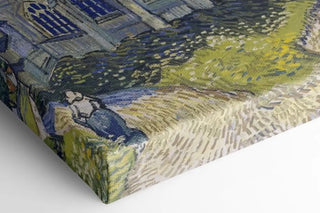
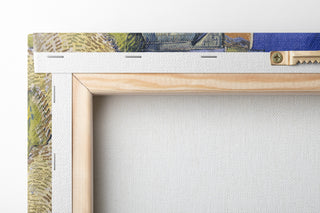
View from behind
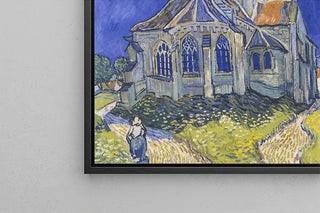
Frame (optional)
Art print Moïse priant pour la victoire - Leopold Kupelwieser – Captivating Introduction
Within the rich and diverse panorama of 19th-century art, the work "Moïse priant pour la victoire" by Leopold Kupelwieser stands out for its spiritual depth and emotional engagement. This painting, which depicts a moment of intense prayer and divine supplication, immerses us in an ancient narrative, that of Moses, an iconic figure in Judaism and Christian tradition. The piece, both monumental and intimate, invites the viewer to contemplate the strength of faith and the quest for divine guidance amidst human trials. Revisiting this artwork, one cannot help but feel the echoes of spiritual struggles across ages, a call for reflection on our own relationship with spirituality and hope.
Style and uniqueness of the work
Kupelwieser's style is characterized by a harmony between classicism and romantic sensitivity, offering a poignant representation of its subject. In "Moïse priant pour la victoire," the colors are carefully chosen to convey an atmosphere of gravity and serenity. The play of light accentuates Moses's facial features, revealing an expression of devotion mixed with deep concentration. The composition, balanced and dynamic, guides the viewer's gaze toward the central figure, while incorporating landscape elements that symbolize the context of prayer. This art print does not merely depict a biblical scene; it creates an immersive experience, where one can almost feel the palpable tension of the moment, as if witnessing a sacred dialogue between man and divine.
The artist and his influence
Leopold Kupelwieser, born in 1796, was an artist whose career was marked by an relentless pursuit of spiritual expression through art. Trained within Viennese art schools, he developed a style that combines academic rigor with personal sensitivity. His work is often rooted in historical and religious themes, reflecting a desire to connect ancient narratives with the contemporary concerns of his time. Kupelwieser was also influenced by the movement
Art print Moses praying for victory - Leopold Kupelwieser | Art print

-10% FROM €95 IN PURCHASES
-15% FROM €195 IN PURCHASES
Regular price
- Unit price
- per
Tax included.
Free shipping
€4.90 / Free shipping on orders over €39
Satisfied or Money Back
Free returns within 30 days
10-year warranty
Our prints are guaranteed for 10 years
Any questions? We are here!
by email to contact@artemlegrand.com
THE STEPS OF YOUR ORDER
STEP 1 - ORDER PLACED
Your order has been confirmed and we are starting production
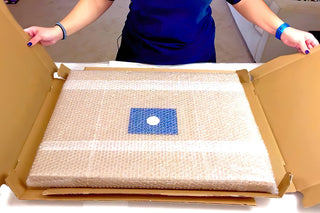
STEP 2 - SHIPPING
We ship your order. We send you an email to track the progress

STEP 3 - DELIVERY
You receive your order. You can also, according to your choice, be delivered to a relay point.
Matte finish
View from behind
Frame (optional)
Art print Moïse priant pour la victoire - Leopold Kupelwieser – Captivating Introduction
Within the rich and diverse panorama of 19th-century art, the work "Moïse priant pour la victoire" by Leopold Kupelwieser stands out for its spiritual depth and emotional engagement. This painting, which depicts a moment of intense prayer and divine supplication, immerses us in an ancient narrative, that of Moses, an iconic figure in Judaism and Christian tradition. The piece, both monumental and intimate, invites the viewer to contemplate the strength of faith and the quest for divine guidance amidst human trials. Revisiting this artwork, one cannot help but feel the echoes of spiritual struggles across ages, a call for reflection on our own relationship with spirituality and hope.
Style and uniqueness of the work
Kupelwieser's style is characterized by a harmony between classicism and romantic sensitivity, offering a poignant representation of its subject. In "Moïse priant pour la victoire," the colors are carefully chosen to convey an atmosphere of gravity and serenity. The play of light accentuates Moses's facial features, revealing an expression of devotion mixed with deep concentration. The composition, balanced and dynamic, guides the viewer's gaze toward the central figure, while incorporating landscape elements that symbolize the context of prayer. This art print does not merely depict a biblical scene; it creates an immersive experience, where one can almost feel the palpable tension of the moment, as if witnessing a sacred dialogue between man and divine.
The artist and his influence
Leopold Kupelwieser, born in 1796, was an artist whose career was marked by an relentless pursuit of spiritual expression through art. Trained within Viennese art schools, he developed a style that combines academic rigor with personal sensitivity. His work is often rooted in historical and religious themes, reflecting a desire to connect ancient narratives with the contemporary concerns of his time. Kupelwieser was also influenced by the movement
12,34 €