
Painting Mrs. William T. Evans and her son - Henry Oliver Walker


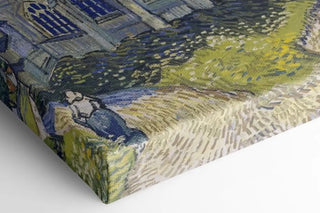
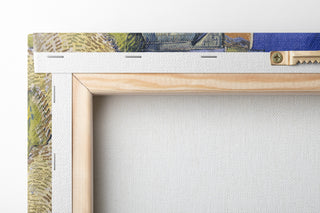
View from behind
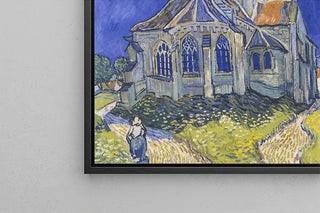
Frame (optional)
In the world of art, some works transcend the simple frame to become silent witnesses to human history. The art print of "Mme William T. Evans and her son" by Henry Oliver Walker is one of those pieces that capture not only the essence of an era but also the deep emotions that unite a mother and her child. This painting, imbued with tenderness and delicacy, invites us to delve into the intimacy of a moment frozen in time, revealing a universe where love and protection intertwine harmoniously. Observing this work, one feels an immediate connection, as if each brushstroke was carefully thought out to evoke personal and universal memories.
Style and uniqueness of the work
Henry Oliver Walker's style is distinguished by his ability to blend realism with a touch of romanticism. In "Mme William T. Evans and her son," the artist uses soft colors and subtle lighting to create a peaceful atmosphere. The faces of the protagonists, imbued with touching serenity, are rendered with a precision that testifies to Walker's exceptional talent. The meticulous details, from clothing to expressions, are all evidence of the artist's technical skill. Every element of the painting contributes to a visual narration, where one can almost hear the whisper of the mother's thoughts, the tenderness of gestures, and the innocent curiosity of the child. This work is not just a representation but an invitation to feel and reflect on the family bonds that unite us all.
The artist and his influence
Henry Oliver Walker, an emblematic figure of the late 19th century, managed to establish himself in the art world thanks to his unique vision and innovative approach. Trained at the Pennsylvania Academy of the Fine Arts, he developed a style that combines tradition and modernity. Walker was influenced by the artistic movements of his time, but he also distinguished himself by his ability to capture the human soul in his works. His commitment to depicting everyday life and human relationships left a lasting imprint on art history. By choosing to paint intimate subjects such as that of
Painting Mrs. William T. Evans and her son - Henry Oliver Walker

-10% FROM €95 IN PURCHASES
-15% FROM €195 IN PURCHASES
Regular price
- Unit price
- per
Tax included.
Free shipping
€4.90 / Free shipping on orders over €39
Satisfied or Money Back
Free returns within 30 days
10-year warranty
Our prints are guaranteed for 10 years
Any questions? We are here!
by email to contact@artemlegrand.com
THE STEPS OF YOUR ORDER

STEP 1 - ORDER PLACED
Your order has been confirmed and we are starting production
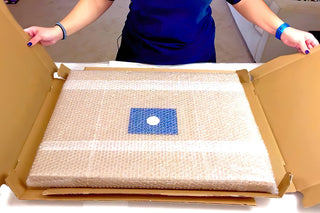
STEP 2 - SHIPPING
We ship your order. We send you an email to track the progress

STEP 3 - DELIVERY
You receive your order. You can also, according to your choice, be delivered to a relay point.
Matte finish
View from behind
Frame (optional)
In the world of art, some works transcend the simple frame to become silent witnesses to human history. The art print of "Mme William T. Evans and her son" by Henry Oliver Walker is one of those pieces that capture not only the essence of an era but also the deep emotions that unite a mother and her child. This painting, imbued with tenderness and delicacy, invites us to delve into the intimacy of a moment frozen in time, revealing a universe where love and protection intertwine harmoniously. Observing this work, one feels an immediate connection, as if each brushstroke was carefully thought out to evoke personal and universal memories.
Style and uniqueness of the work
Henry Oliver Walker's style is distinguished by his ability to blend realism with a touch of romanticism. In "Mme William T. Evans and her son," the artist uses soft colors and subtle lighting to create a peaceful atmosphere. The faces of the protagonists, imbued with touching serenity, are rendered with a precision that testifies to Walker's exceptional talent. The meticulous details, from clothing to expressions, are all evidence of the artist's technical skill. Every element of the painting contributes to a visual narration, where one can almost hear the whisper of the mother's thoughts, the tenderness of gestures, and the innocent curiosity of the child. This work is not just a representation but an invitation to feel and reflect on the family bonds that unite us all.
The artist and his influence
Henry Oliver Walker, an emblematic figure of the late 19th century, managed to establish himself in the art world thanks to his unique vision and innovative approach. Trained at the Pennsylvania Academy of the Fine Arts, he developed a style that combines tradition and modernity. Walker was influenced by the artistic movements of his time, but he also distinguished himself by his ability to capture the human soul in his works. His commitment to depicting everyday life and human relationships left a lasting imprint on art history. By choosing to paint intimate subjects such as that of
12,34 €