
Art print Michelangelo and Emma Clara Peale - Rembrandt Peale | Art print


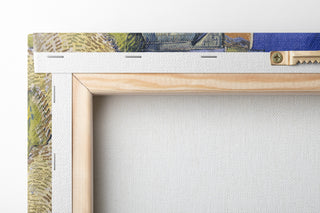
View from behind
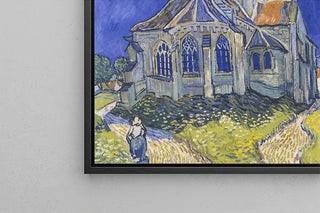
Frame (optional)
In the fascinating world of art, some works transcend their era and transport us into a universe where beauty and the complexity of the human condition intersect. "Michelangelo and Emma Clara Peale" by Rembrandt Peale is one of those memorable creations that capture the very essence of 19th-century art. This piece, both intimate and grandiose, invites us to explore the relationships between the artist, their model, and the viewer. Through this painting, Rembrandt Peale does not merely depict figures; he immerses us in a visual narrative where every detail, every gaze, tells a story.
Style and uniqueness of the work
Rembrandt Peale's style is distinguished by its striking realism and its ability to immortalize human emotion. In "Michelangelo and Emma Clara Peale," he manages to capture not only the physical features of his subjects but also their spiritual essence. Light plays a crucial role in this piece, subtly illuminating the faces and creating an intimate atmosphere. The composition is carefully balanced, with particular attention paid to the posture of the characters and their interaction. Peale succeeds in establishing a visual dialogue between Michelangelo, an emblematic figure of art, and Emma Clara, whose presence adds a touch of modernity to the painting. This contrast between the old and the new, between the master and the model, makes this work a centerpiece embodying the dialogue between eras.
The artist and his influence
Rembrandt Peale, descendant of a lineage of artists, marked his era through his commitment to portraiture and his pursuit of artistic truth. Influenced by the great masters of the Renaissance, he developed a style that is uniquely his own, blending tradition and innovation. Peale also played a crucial role in promoting American art, seeking to establish a national artistic identity at a time when the country was still struggling to define itself on the global stage. His meticulous approach and dedication to faithful representation of subjects inspired many contemporary and future artists, contributing to enriching the American artistic heritage. Through works such as "Michelangelo and Emma Clara Peale," he managed to
Art print Michelangelo and Emma Clara Peale - Rembrandt Peale | Art print

-10% FROM €95 IN PURCHASES
-15% FROM €195 IN PURCHASES
Regular price
- Unit price
- per
Tax included.
Free shipping
€4.90 / Free shipping on orders over €39
Satisfied or Money Back
Free returns within 30 days
10-year warranty
Our prints are guaranteed for 10 years
Any questions? We are here!
by email to contact@artemlegrand.com
THE STEPS OF YOUR ORDER

STEP 1 - ORDER PLACED
Your order has been confirmed and we are starting production
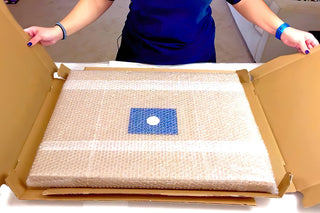
STEP 2 - SHIPPING
We ship your order. We send you an email to track the progress

STEP 3 - DELIVERY
You receive your order. You can also, according to your choice, be delivered to a relay point.
Matte finish
View from behind
Frame (optional)
In the fascinating world of art, some works transcend their era and transport us into a universe where beauty and the complexity of the human condition intersect. "Michelangelo and Emma Clara Peale" by Rembrandt Peale is one of those memorable creations that capture the very essence of 19th-century art. This piece, both intimate and grandiose, invites us to explore the relationships between the artist, their model, and the viewer. Through this painting, Rembrandt Peale does not merely depict figures; he immerses us in a visual narrative where every detail, every gaze, tells a story.
Style and uniqueness of the work
Rembrandt Peale's style is distinguished by its striking realism and its ability to immortalize human emotion. In "Michelangelo and Emma Clara Peale," he manages to capture not only the physical features of his subjects but also their spiritual essence. Light plays a crucial role in this piece, subtly illuminating the faces and creating an intimate atmosphere. The composition is carefully balanced, with particular attention paid to the posture of the characters and their interaction. Peale succeeds in establishing a visual dialogue between Michelangelo, an emblematic figure of art, and Emma Clara, whose presence adds a touch of modernity to the painting. This contrast between the old and the new, between the master and the model, makes this work a centerpiece embodying the dialogue between eras.
The artist and his influence
Rembrandt Peale, descendant of a lineage of artists, marked his era through his commitment to portraiture and his pursuit of artistic truth. Influenced by the great masters of the Renaissance, he developed a style that is uniquely his own, blending tradition and innovation. Peale also played a crucial role in promoting American art, seeking to establish a national artistic identity at a time when the country was still struggling to define itself on the global stage. His meticulous approach and dedication to faithful representation of subjects inspired many contemporary and future artists, contributing to enriching the American artistic heritage. Through works such as "Michelangelo and Emma Clara Peale," he managed to
12,34 €