
Painting Marie, a peasant woman from Quimperlé - Sir George Clausen | Art print


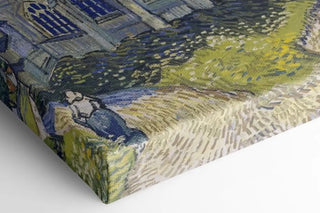
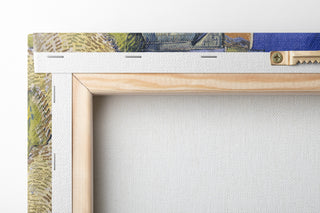
View from behind
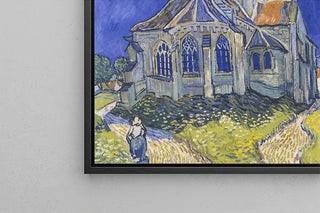
Frame (optional)
Marie, a peasant woman from Quimperlé - Sir George Clausen – Captivating Introduction
In the rich and fascinating universe of art history, some works manage to transcend time and space, capturing the very essence of human life. "Marie, a peasant woman from Quimperlé" by Sir George Clausen is one of those creations that evoke a deep connection with nature and the simplicity of rural existence. This painting, both delicate and powerful, immerses us in the daily life of a young woman, embodying the spirit of Breton peasants in the early 20th century. By inviting us to contemplate this intimate scene, Clausen reminds us of the beauty of modest lives, often forgotten amidst the tumult of modernity.
Style and uniqueness of the work
Sir George Clausen's work stands out for its naturalist approach, blending refined technique with palpable emotional sensitivity. In "Marie, a peasant woman from Quimperlé," light plays a leading role, illuminating the peasant's face with an almost angelic softness. The subtle color nuances evoke the lush landscapes of Brittany, while the textures of clothing and surrounding elements add a tactile dimension to the composition. Clausen manages to capture the authenticity of his subject, revealing a psychological depth that invites the viewer to ponder her thoughts and dreams. This painting does not merely depict a scene from daily life; it tells a story, that of a time and culture, while touching on the universal.
The artist and his influence
Sir George Clausen, an English painter of Danish origin, was able to carve out a prominent place among his contemporaries thanks to his commitment to an art that celebrates simple life and nature. Raised in an environment where art and craftsmanship were valued, Clausen developed a style that combines tradition and modernity. Influenced by the Pre-Raphaelite movement, he integrated elements of realism while preserving a certain poetry in his works. His attentive gaze on rural life and his ability to portray the dignity of workers made him a pioneer in representing peasant life. Through his paintings
Painting Marie, a peasant woman from Quimperlé - Sir George Clausen | Art print

-10% FROM €95 IN PURCHASES
-15% FROM €195 IN PURCHASES
Regular price
- Unit price
- per
Tax included.
Free shipping
€4.90 / Free shipping on orders over €39
Satisfied or Money Back
Free returns within 30 days
10-year warranty
Our prints are guaranteed for 10 years
Any questions? We are here!
by email to contact@artemlegrand.com
THE STEPS OF YOUR ORDER

STEP 1 - ORDER PLACED
Your order has been confirmed and we are starting production
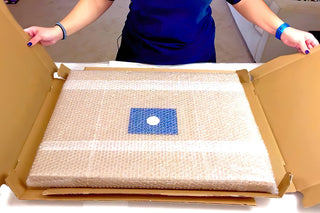
STEP 2 - SHIPPING
We ship your order. We send you an email to track the progress

STEP 3 - DELIVERY
You receive your order. You can also, according to your choice, be delivered to a relay point.
Matte finish
View from behind
Frame (optional)
Marie, a peasant woman from Quimperlé - Sir George Clausen – Captivating Introduction
In the rich and fascinating universe of art history, some works manage to transcend time and space, capturing the very essence of human life. "Marie, a peasant woman from Quimperlé" by Sir George Clausen is one of those creations that evoke a deep connection with nature and the simplicity of rural existence. This painting, both delicate and powerful, immerses us in the daily life of a young woman, embodying the spirit of Breton peasants in the early 20th century. By inviting us to contemplate this intimate scene, Clausen reminds us of the beauty of modest lives, often forgotten amidst the tumult of modernity.
Style and uniqueness of the work
Sir George Clausen's work stands out for its naturalist approach, blending refined technique with palpable emotional sensitivity. In "Marie, a peasant woman from Quimperlé," light plays a leading role, illuminating the peasant's face with an almost angelic softness. The subtle color nuances evoke the lush landscapes of Brittany, while the textures of clothing and surrounding elements add a tactile dimension to the composition. Clausen manages to capture the authenticity of his subject, revealing a psychological depth that invites the viewer to ponder her thoughts and dreams. This painting does not merely depict a scene from daily life; it tells a story, that of a time and culture, while touching on the universal.
The artist and his influence
Sir George Clausen, an English painter of Danish origin, was able to carve out a prominent place among his contemporaries thanks to his commitment to an art that celebrates simple life and nature. Raised in an environment where art and craftsmanship were valued, Clausen developed a style that combines tradition and modernity. Influenced by the Pre-Raphaelite movement, he integrated elements of realism while preserving a certain poetry in his works. His attentive gaze on rural life and his ability to portray the dignity of workers made him a pioneer in representing peasant life. Through his paintings
12,34 €