
Art print Margaretha Leuveling 1738-83 wife of Justus Tjeenk - Herman Frederik van Hengel


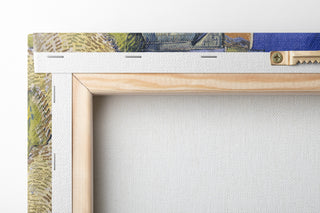
View from behind
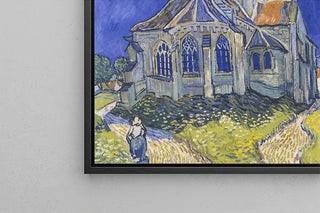
Frame (optional)
The artwork titled "Margaretha Leuveling 1738-83 wife of Justus Tjeenk" by Herman Frederik van Hengel is part of a rich artistic context filled with nuances and emotions. Created in the 18th century, this painting not only evokes the beauty of the portrait but also the personal and social history of an era marked by profound changes. Through this representation, the artist invites us to delve into the intimacy of a woman whose status and role in society are brought to light. The delicacy of the details and the depth of the colors testify to an exceptional craftsmanship capable of capturing the very essence of its subject. The art print of this work allows us to rediscover a page of art history while offering a fascinating glimpse into the daily life of women at that time.
Style and uniqueness of the work
Van Hengel's style is distinguished by a realistic and sensitive approach, which transcends the simple portrait to become a true testament to the personality of Margaretha Leuveling. The choice of colors, ranging from soft shades to more vivid nuances, creates a visual harmony that draws the eye and evokes emotion. The posture of the woman, both graceful and dignified, suggests a certain nobility, while the details of her attire reveal the elegance of 18th-century fashion. The interplay of light and shadow, skillfully mastered, gives the work a striking depth, enhancing the impression of life and movement. This portrait does not merely depict a female figure; it tells a story, that of an era when women, although often relegated to the background, played a fundamental role in society.
The artist and his influence
Herman Frederik van Hengel, a Dutch artist, managed to establish himself in the artistic landscape of his time thanks to his undeniable talent and keen sense of observation. His work is characterized by a particular attention to detail and an ability to capture the soul of his subjects. Van Hengel was influenced by the great masters of Flemish painting, but he also knew how to
Art print Margaretha Leuveling 1738-83 wife of Justus Tjeenk - Herman Frederik van Hengel

-10% FROM €95 IN PURCHASES
-15% FROM €195 IN PURCHASES
Regular price
- Unit price
- per
Tax included.
Free shipping
€4.90 / Free shipping on orders over €39
Satisfied or Money Back
Free returns within 30 days
10-year warranty
Our prints are guaranteed for 10 years
Any questions? We are here!
by email to contact@artemlegrand.com
THE STEPS OF YOUR ORDER
STEP 1 - ORDER PLACED
Your order has been confirmed and we are starting production
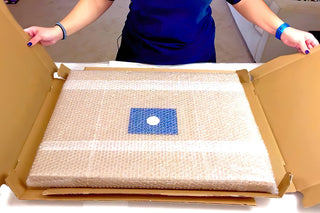
STEP 2 - SHIPPING
We ship your order. We send you an email to track the progress

STEP 3 - DELIVERY
You receive your order. You can also, according to your choice, be delivered to a relay point.
Matte finish
View from behind
Frame (optional)
The artwork titled "Margaretha Leuveling 1738-83 wife of Justus Tjeenk" by Herman Frederik van Hengel is part of a rich artistic context filled with nuances and emotions. Created in the 18th century, this painting not only evokes the beauty of the portrait but also the personal and social history of an era marked by profound changes. Through this representation, the artist invites us to delve into the intimacy of a woman whose status and role in society are brought to light. The delicacy of the details and the depth of the colors testify to an exceptional craftsmanship capable of capturing the very essence of its subject. The art print of this work allows us to rediscover a page of art history while offering a fascinating glimpse into the daily life of women at that time.
Style and uniqueness of the work
Van Hengel's style is distinguished by a realistic and sensitive approach, which transcends the simple portrait to become a true testament to the personality of Margaretha Leuveling. The choice of colors, ranging from soft shades to more vivid nuances, creates a visual harmony that draws the eye and evokes emotion. The posture of the woman, both graceful and dignified, suggests a certain nobility, while the details of her attire reveal the elegance of 18th-century fashion. The interplay of light and shadow, skillfully mastered, gives the work a striking depth, enhancing the impression of life and movement. This portrait does not merely depict a female figure; it tells a story, that of an era when women, although often relegated to the background, played a fundamental role in society.
The artist and his influence
Herman Frederik van Hengel, a Dutch artist, managed to establish himself in the artistic landscape of his time thanks to his undeniable talent and keen sense of observation. His work is characterized by a particular attention to detail and an ability to capture the soul of his subjects. Van Hengel was influenced by the great masters of Flemish painting, but he also knew how to
12,34 €