
Painting Man with a Fur Hat - Isidor Kaufmann | Art print


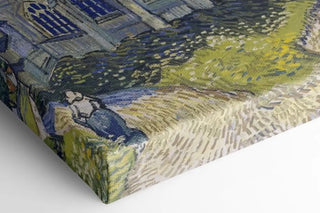
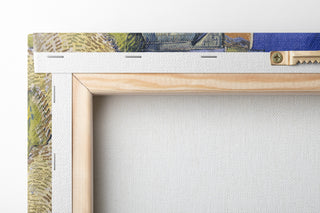
View from behind
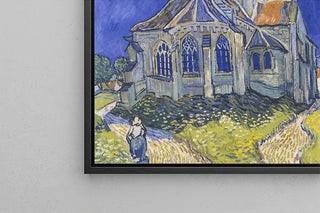
Frame (optional)
Art print Homme with a fur hat - Isidor Kaufmann – Captivating introduction
The artwork "Homme with a fur hat" by Isidor Kaufmann stands as a poignant testament to Jewish identity at the turn of the 20th century. This painting, both intimate and universal, invites the viewer to delve into the world of a man whose gaze, imbued with wisdom and melancholy, tells a story. The scene, rich in detail, evokes not only the wearing of this fur hat, a symbol of status and tradition, but also a certain nostalgia for a world in full transformation. In this piece, Kaufmann manages to capture the essence of an era while offering a reflection on the individual and their relationship to society.
Style and uniqueness of the work
Isidor Kaufmann's style is distinguished by its ability to blend realism with an almost impressionist sensitivity. In "Homme with a fur hat," light plays a crucial role, emphasizing the textures of clothing and the rendering of facial expressions. The brushstrokes, both delicate and assertive, create a vibrant atmosphere that inhabits the painting. The color palette chosen by the artist, oscillating between warm tones and darker shades, reinforces the introspective nature of the work. Every detail, from the fur hat to the folds of the coat, demonstrates meticulousness that reveals the importance of appearance in the Jewish culture of the time. Kaufmann does not merely paint a portrait; he constructs a true tableau of life, where each element holds significance and contributes to the narrative.
The artist and his influence
Isidor Kaufmann, born in 1853 in Vienna, is an artist deeply rooted in the traditions and struggles of his era. His training at the art academies of Vienna and Munich allowed him to develop a unique style, blending academic influences with personal touches. Kaufmann dedicated himself to depicting Central European Jews, seeking to immortalize their daily life, rites, and culture. His work is often seen as a testament to a bygone era, marked by social and political upheavals. In
Painting Man with a Fur Hat - Isidor Kaufmann | Art print

-10% FROM €95 IN PURCHASES
-15% FROM €195 IN PURCHASES
Regular price
- Unit price
- per
Tax included.
Free shipping
€4.90 / Free shipping on orders over €39
Satisfied or Money Back
Free returns within 30 days
10-year warranty
Our prints are guaranteed for 10 years
Any questions? We are here!
by email to contact@artemlegrand.com
THE STEPS OF YOUR ORDER

STEP 1 - ORDER PLACED
Your order has been confirmed and we are starting production

STEP 2 - SHIPPING
We ship your order. We send you an email to track the progress

STEP 3 - DELIVERY
You receive your order. You can also, according to your choice, be delivered to a relay point.
Matte finish
View from behind
Frame (optional)
Art print Homme with a fur hat - Isidor Kaufmann – Captivating introduction
The artwork "Homme with a fur hat" by Isidor Kaufmann stands as a poignant testament to Jewish identity at the turn of the 20th century. This painting, both intimate and universal, invites the viewer to delve into the world of a man whose gaze, imbued with wisdom and melancholy, tells a story. The scene, rich in detail, evokes not only the wearing of this fur hat, a symbol of status and tradition, but also a certain nostalgia for a world in full transformation. In this piece, Kaufmann manages to capture the essence of an era while offering a reflection on the individual and their relationship to society.
Style and uniqueness of the work
Isidor Kaufmann's style is distinguished by its ability to blend realism with an almost impressionist sensitivity. In "Homme with a fur hat," light plays a crucial role, emphasizing the textures of clothing and the rendering of facial expressions. The brushstrokes, both delicate and assertive, create a vibrant atmosphere that inhabits the painting. The color palette chosen by the artist, oscillating between warm tones and darker shades, reinforces the introspective nature of the work. Every detail, from the fur hat to the folds of the coat, demonstrates meticulousness that reveals the importance of appearance in the Jewish culture of the time. Kaufmann does not merely paint a portrait; he constructs a true tableau of life, where each element holds significance and contributes to the narrative.
The artist and his influence
Isidor Kaufmann, born in 1853 in Vienna, is an artist deeply rooted in the traditions and struggles of his era. His training at the art academies of Vienna and Munich allowed him to develop a unique style, blending academic influences with personal touches. Kaufmann dedicated himself to depicting Central European Jews, seeking to immortalize their daily life, rites, and culture. His work is often seen as a testament to a bygone era, marked by social and political upheavals. In
12,34 €