
Art print Homme mangeant des écrevisses, Portrait de Karol Szuster - Roman Kramsztyk


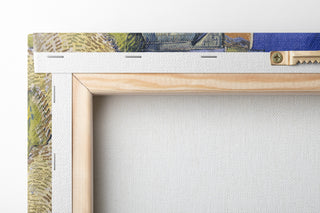
View from behind
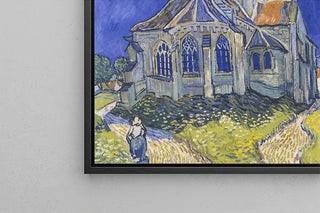
Frame (optional)
In the fascinating world of art, some works stand out for their ability to capture moments of life, freeze emotions, and tell stories. The art print Homme eating crayfish, Portrait of Karol Szuster - Roman Kramsztyk, fits into this tradition. This painting, created by the talented Roman Kramsztyk, immerses us in a scene of conviviality and pleasure, where the central figure, Karol Szuster, is engaged in a tasting moment, revealing both intimacy and psychological depth. The artist manages to immortalize this moment with such intensity that it becomes almost tangible for the viewer, inviting them to share this gustatory and social experience.
Style and uniqueness of the work
The work stands out for its realistic style, characteristic of 19th-century painting, but also by a touch of modernity that makes it timeless. The rich and vibrant colors, combined with carefully crafted lighting, create a warm and welcoming atmosphere. The composition, focused on the figure of Szuster, inevitably draws the eye, while the detailed depiction of the crayfish and table accessories reflects particular care in the representation. Every element of the canvas, from the choice of colors to facial expressions, contributes to the visual storytelling, making the work highly expressive. This painting does not merely depict a mealtime moment; it also evokes themes of conviviality, gastronomic culture, and the art of living in the Polish style, thus anchoring the work in a rich historical and social context.
The artist and his influence
Roman Kramsztyk, a Polish painter of the 19th century, is often recognized for his ability to capture everyday life with a unique sensitivity. Trained at the art schools of Warsaw and Paris, he mastered the influences of the great masters while developing a personal style. His fascination with portraits and genre scenes allowed him to explore various themes, ranging from rural life to urban bourgeoisie. Kramsztyk was able to
Art print Homme mangeant des écrevisses, Portrait de Karol Szuster - Roman Kramsztyk

-10% FROM €95 IN PURCHASES
-15% FROM €195 IN PURCHASES
Regular price
- Unit price
- per
Tax included.
Free shipping
€4.90 / Free shipping on orders over €39
Satisfied or Money Back
Free returns within 30 days
10-year warranty
Our prints are guaranteed for 10 years
Any questions? We are here!
by email to contact@artemlegrand.com
THE STEPS OF YOUR ORDER

STEP 1 - ORDER PLACED
Your order has been confirmed and we are starting production
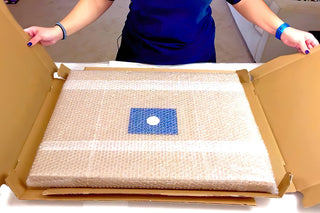
STEP 2 - SHIPPING
We ship your order. We send you an email to track the progress

STEP 3 - DELIVERY
You receive your order. You can also, according to your choice, be delivered to a relay point.
Matte finish
View from behind
Frame (optional)
In the fascinating world of art, some works stand out for their ability to capture moments of life, freeze emotions, and tell stories. The art print Homme eating crayfish, Portrait of Karol Szuster - Roman Kramsztyk, fits into this tradition. This painting, created by the talented Roman Kramsztyk, immerses us in a scene of conviviality and pleasure, where the central figure, Karol Szuster, is engaged in a tasting moment, revealing both intimacy and psychological depth. The artist manages to immortalize this moment with such intensity that it becomes almost tangible for the viewer, inviting them to share this gustatory and social experience.
Style and uniqueness of the work
The work stands out for its realistic style, characteristic of 19th-century painting, but also by a touch of modernity that makes it timeless. The rich and vibrant colors, combined with carefully crafted lighting, create a warm and welcoming atmosphere. The composition, focused on the figure of Szuster, inevitably draws the eye, while the detailed depiction of the crayfish and table accessories reflects particular care in the representation. Every element of the canvas, from the choice of colors to facial expressions, contributes to the visual storytelling, making the work highly expressive. This painting does not merely depict a mealtime moment; it also evokes themes of conviviality, gastronomic culture, and the art of living in the Polish style, thus anchoring the work in a rich historical and social context.
The artist and his influence
Roman Kramsztyk, a Polish painter of the 19th century, is often recognized for his ability to capture everyday life with a unique sensitivity. Trained at the art schools of Warsaw and Paris, he mastered the influences of the great masters while developing a personal style. His fascination with portraits and genre scenes allowed him to explore various themes, ranging from rural life to urban bourgeoisie. Kramsztyk was able to
12,34 €