
M. Hackett in the character of Rip Van Winkle - Henry Inman | Art print


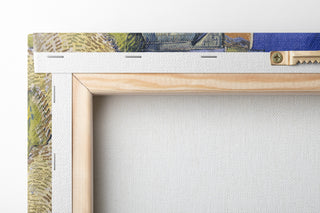
View from behind
Frame (optional)
Washington Irving's "Rip Van Winkle" art print by Henry Inman – Captivating introduction
In the vast panorama of American art history, certain works manage to capture the essence of an era while telling timeless stories. The "Rip Van Winkle" art print by Henry Inman stands out for its ability to evoke themes of dreams and identity through the lens of an iconic literary character. Inspired by Washington Irving's short story, this painting does not merely depict a scene; it invites the viewer to immerse themselves in a world where time seems suspended, where the boundaries between reality and imagination blur.
Style and uniqueness of the piece
Henry Inman's work is characterized by a romantic style that combines finesse and expressiveness. The delicate features of M. Hackett's face, embodying Rip Van Winkle, are rendered with precision, giving the character emotional depth. The color palette chosen by the artist, with its soft nuances and subtle contrasts, helps create an atmosphere of melancholy and nostalgia. The details of the clothing, carefully painted, reflect a concern for realism that is one of Inman's trademarks. Furthermore, the choice of pose and viewing angle enhances the feeling of introspection, as if one could almost hear the character's thoughts resonating in the silence of the surrounding mountains. This piece, with its refined aesthetic and poignant message, remains a masterpiece that transcends mere decoration.
The artist and his influence
Henry Inman, born in 1801, is a significant figure in 19th-century American art. Trained in the tradition of portraiture, he evolved to incorporate narrative elements into his compositions. His work is often described as a bridge between European classicism and the emergence of an American artistic identity. Inman was influenced by artists such as Thomas Cole and Asher Brown Durand, but he also developed a style unique to himself, characterized by a sensitivity to light and particular attention to detail. His ability to capture fleeting moments and deep emotions made him a sought-after portraitist.
M. Hackett in the character of Rip Van Winkle - Henry Inman | Art print

-10% FROM €95 IN PURCHASES
-15% FROM €195 IN PURCHASES
Regular price
- Unit price
- per
Tax included.
Free shipping
€4.90 / Free shipping on orders over €39
Satisfied or Money Back
Free returns within 30 days
10-year warranty
Our prints are guaranteed for 10 years
Any questions? We are here!
by email to contact@artemlegrand.com
THE STEPS OF YOUR ORDER
STEP 1 - ORDER PLACED
Your order has been confirmed and we are starting production
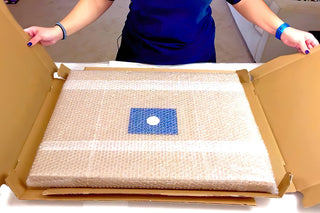
STEP 2 - SHIPPING
We ship your order. We send you an email to track the progress

STEP 3 - DELIVERY
You receive your order. You can also, according to your choice, be delivered to a relay point.
Matte finish
View from behind
Frame (optional)
Washington Irving's "Rip Van Winkle" art print by Henry Inman – Captivating introduction
In the vast panorama of American art history, certain works manage to capture the essence of an era while telling timeless stories. The "Rip Van Winkle" art print by Henry Inman stands out for its ability to evoke themes of dreams and identity through the lens of an iconic literary character. Inspired by Washington Irving's short story, this painting does not merely depict a scene; it invites the viewer to immerse themselves in a world where time seems suspended, where the boundaries between reality and imagination blur.
Style and uniqueness of the piece
Henry Inman's work is characterized by a romantic style that combines finesse and expressiveness. The delicate features of M. Hackett's face, embodying Rip Van Winkle, are rendered with precision, giving the character emotional depth. The color palette chosen by the artist, with its soft nuances and subtle contrasts, helps create an atmosphere of melancholy and nostalgia. The details of the clothing, carefully painted, reflect a concern for realism that is one of Inman's trademarks. Furthermore, the choice of pose and viewing angle enhances the feeling of introspection, as if one could almost hear the character's thoughts resonating in the silence of the surrounding mountains. This piece, with its refined aesthetic and poignant message, remains a masterpiece that transcends mere decoration.
The artist and his influence
Henry Inman, born in 1801, is a significant figure in 19th-century American art. Trained in the tradition of portraiture, he evolved to incorporate narrative elements into his compositions. His work is often described as a bridge between European classicism and the emergence of an American artistic identity. Inman was influenced by artists such as Thomas Cole and Asher Brown Durand, but he also developed a style unique to himself, characterized by a sensitivity to light and particular attention to detail. His ability to capture fleeting moments and deep emotions made him a sought-after portraitist.
12,34 €