
Painting Lygosoma lateralis - John Edwards Holbrook | Art print


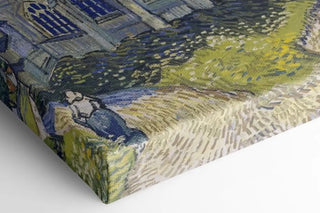
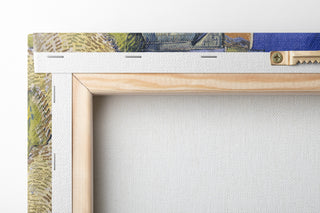
View from behind
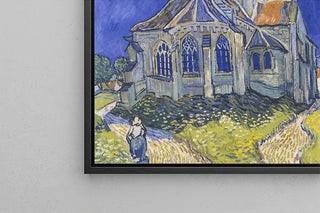
Frame (optional)
Reproduction Lygosoma lateralis - John Edwards Holbrook – Captivating introduction
The artwork "Lygosoma lateralis" by John Edwards Holbrook presents itself as an open window into a fascinating world, where nature and art meet with rare delicacy. This meticulous representation of a lizard, both scientific and artistic, transports the viewer into a universe where every detail matters. Holbrook, as a naturalist and artist, captured the very essence of this animal, inviting us to contemplate the beauty and complexity of the fauna around us. The art print of this piece is much more than a simple image; it is a celebration of biodiversity, a tribute to scientific curiosity, and an invitation to reflection.
Style and uniqueness of the work
Holbrook's style is distinguished by its meticulous and realistic approach. Every scale of the Lygosoma lateralis is rendered with precision that reflects attentive observation and a passion for nature. The colors, while true to reality, are also harmonious and create a soothing atmosphere. The artist does not merely reproduce a lizard; he manages to breathe life into his subject, giving it personality, almost a soul. This realism, coupled with a certain elegance, makes this work a true masterpiece of naturalist art. Contemplating this image, the viewer is drawn into a silent dialogue with nature, a communion that underscores the importance of preserving our environment.
The artist and his influence
John Edwards Holbrook, an American naturalist of the 19th century, left his mark through his contributions to science and art. His passion for studying reptiles and amphibians led him to create works that combine scientific rigor with artistic sensitivity. Holbrook was one of the first to document American biodiversity, thereby contributing to the knowledge and conservation of many species. His influence endures, inspiring many contemporary artists and naturalists to explore the link between art and science. By rediscovering "Lygosoma lateralis," we pay tribute to a man whose work not only enriched our understanding of the natural world but also paved the way for
Painting Lygosoma lateralis - John Edwards Holbrook | Art print

-10% FROM €95 IN PURCHASES
-15% FROM €195 IN PURCHASES
Regular price
- Unit price
- per
Tax included.
Free shipping
€4.90 / Free shipping on orders over €39
Satisfied or Money Back
Free returns within 30 days
10-year warranty
Our prints are guaranteed for 10 years
Any questions? We are here!
by email to contact@artemlegrand.com
THE STEPS OF YOUR ORDER

STEP 1 - ORDER PLACED
Your order has been confirmed and we are starting production
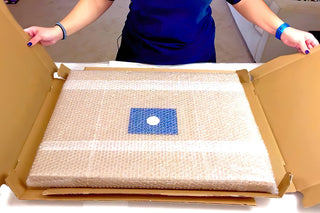
STEP 2 - SHIPPING
We ship your order. We send you an email to track the progress

STEP 3 - DELIVERY
You receive your order. You can also, according to your choice, be delivered to a relay point.
Matte finish
View from behind
Frame (optional)
Reproduction Lygosoma lateralis - John Edwards Holbrook – Captivating introduction
The artwork "Lygosoma lateralis" by John Edwards Holbrook presents itself as an open window into a fascinating world, where nature and art meet with rare delicacy. This meticulous representation of a lizard, both scientific and artistic, transports the viewer into a universe where every detail matters. Holbrook, as a naturalist and artist, captured the very essence of this animal, inviting us to contemplate the beauty and complexity of the fauna around us. The art print of this piece is much more than a simple image; it is a celebration of biodiversity, a tribute to scientific curiosity, and an invitation to reflection.
Style and uniqueness of the work
Holbrook's style is distinguished by its meticulous and realistic approach. Every scale of the Lygosoma lateralis is rendered with precision that reflects attentive observation and a passion for nature. The colors, while true to reality, are also harmonious and create a soothing atmosphere. The artist does not merely reproduce a lizard; he manages to breathe life into his subject, giving it personality, almost a soul. This realism, coupled with a certain elegance, makes this work a true masterpiece of naturalist art. Contemplating this image, the viewer is drawn into a silent dialogue with nature, a communion that underscores the importance of preserving our environment.
The artist and his influence
John Edwards Holbrook, an American naturalist of the 19th century, left his mark through his contributions to science and art. His passion for studying reptiles and amphibians led him to create works that combine scientific rigor with artistic sensitivity. Holbrook was one of the first to document American biodiversity, thereby contributing to the knowledge and conservation of many species. His influence endures, inspiring many contemporary artists and naturalists to explore the link between art and science. By rediscovering "Lygosoma lateralis," we pay tribute to a man whose work not only enriched our understanding of the natural world but also paved the way for
12,34 €