
Painting Louis Lemaistre de Sacy - Philippe de Champaigne | Art print


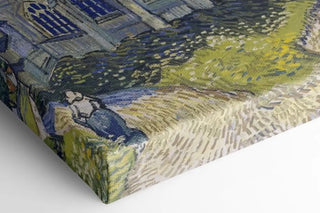
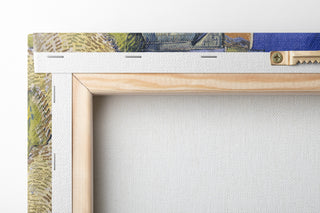
View from behind
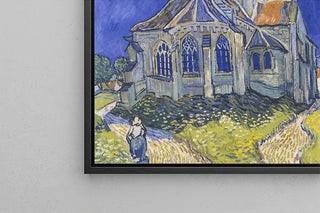
Frame (optional)
Louis Lemaistre de Sacy - Philippe de Champaigne Art print: An Engaging Introduction
The "Louis Lemaistre de Sacy - Philippe de Champaigne" art print is much more than a simple image; it reflects an era, a spirit, and an artistic sensibility that transcend time. This piece, capturing the very essence of the 17th century, invites us to immerse ourselves in a universe where light and shadow intertwine with extraordinary delicacy. Philippe de Champaigne, an undisputed master of portraiture, offers here a depiction of rare psychological depth, where every detail seems to whisper a story— that of a man of faith and thought. Far from being just a painting, this work is a dialogue between the subject and the viewer, a call for contemplation and reflection.
Style and uniqueness of the work
Philippe de Champaigne's style is distinguished by his ability to combine realism and spirituality. In "Louis Lemaistre de Sacy," the artist uses a palette of rich, nuanced colors, creating a striking contrast between shadows and lights. The finesse of the strokes and the intense expression on Lemaistre de Sacy's face demonstrate exceptional technical mastery. Champaigne manages to capture not only the physical appearance of his subject but also his inner essence, revealing a depth of soul that invites introspection. The carefully rendered drapery adds a tactile dimension to the work, while the simple background allows the figure to stand out brilliantly. This singularity makes this painting an emblematic example of Baroque painting, where each element is designed to enhance the emotional impact of the whole.
The artist and his influence
Philippe de Champaigne, born in 1602 in Brussels and active in Paris, is one of the most influential artists of his time. Trained in the Flemish tradition, he mastered techniques of Italian painting while developing a distinctive style marked by French sensibility. His work profoundly influenced his contemporaries and left an indelible mark on French painting. As a portraitist, he brought to life iconic figures of his era, but he was not limited to the representation of nobles and
Painting Louis Lemaistre de Sacy - Philippe de Champaigne | Art print

-10% FROM €95 IN PURCHASES
-15% FROM €195 IN PURCHASES
Regular price
- Unit price
- per
Tax included.
Free shipping
€4.90 / Free shipping on orders over €39
Satisfied or Money Back
Free returns within 30 days
10-year warranty
Our prints are guaranteed for 10 years
Any questions? We are here!
by email to contact@artemlegrand.com
THE STEPS OF YOUR ORDER

STEP 1 - ORDER PLACED
Your order has been confirmed and we are starting production
STEP 2 - SHIPPING
We ship your order. We send you an email to track the progress

STEP 3 - DELIVERY
You receive your order. You can also, according to your choice, be delivered to a relay point.
Matte finish
View from behind
Frame (optional)
Louis Lemaistre de Sacy - Philippe de Champaigne Art print: An Engaging Introduction
The "Louis Lemaistre de Sacy - Philippe de Champaigne" art print is much more than a simple image; it reflects an era, a spirit, and an artistic sensibility that transcend time. This piece, capturing the very essence of the 17th century, invites us to immerse ourselves in a universe where light and shadow intertwine with extraordinary delicacy. Philippe de Champaigne, an undisputed master of portraiture, offers here a depiction of rare psychological depth, where every detail seems to whisper a story— that of a man of faith and thought. Far from being just a painting, this work is a dialogue between the subject and the viewer, a call for contemplation and reflection.
Style and uniqueness of the work
Philippe de Champaigne's style is distinguished by his ability to combine realism and spirituality. In "Louis Lemaistre de Sacy," the artist uses a palette of rich, nuanced colors, creating a striking contrast between shadows and lights. The finesse of the strokes and the intense expression on Lemaistre de Sacy's face demonstrate exceptional technical mastery. Champaigne manages to capture not only the physical appearance of his subject but also his inner essence, revealing a depth of soul that invites introspection. The carefully rendered drapery adds a tactile dimension to the work, while the simple background allows the figure to stand out brilliantly. This singularity makes this painting an emblematic example of Baroque painting, where each element is designed to enhance the emotional impact of the whole.
The artist and his influence
Philippe de Champaigne, born in 1602 in Brussels and active in Paris, is one of the most influential artists of his time. Trained in the Flemish tradition, he mastered techniques of Italian painting while developing a distinctive style marked by French sensibility. His work profoundly influenced his contemporaries and left an indelible mark on French painting. As a portraitist, he brought to life iconic figures of his era, but he was not limited to the representation of nobles and
12,34 €