
Painting Koto à eko 1830 - Utagawa Kuniyoshi | Art print


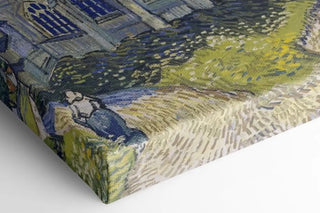
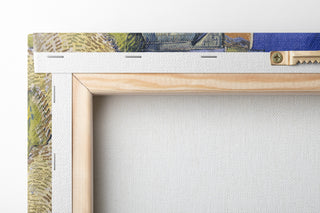
View from behind
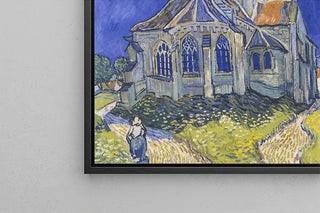
Frame (optional)
Introduction captivante
Plunging into the fascinating world of 19th-century Japan, the art print Koto à eko 1830 - Utagawa Kuniyoshi transports us to a time when graphic art intertwined with popular culture. This iconic piece, created by one of the masters of ukiyo-e, celebrates the beauty and depth of Japanese traditions while revealing the technical virtuosity of its creator. By contemplating this work, viewers are invited to explore the subtleties of daily life, legends, and stories that animate feudal Japan. The vibrant colors and delicate lines of Kuniyoshi capture not only the aesthetics of his era but also the soul of a nation in full transformation.
Style and uniqueness of the work
Kuniyoshi's style is distinguished by its boldness and ability to fuse realism with a touch of imagination. The art print Koto à eko 1830 perfectly illustrates this approach, where characters are depicted with rare expressiveness, each movement seeming to tell a story. Floral motifs and natural elements intertwine with human figures, creating a visual harmony that draws the eye and stimulates the imagination. Mastery of shadows and lights, as well as the use of vivid colors, give the piece depth and dynamism that captivate the viewer. Furthermore, the depiction of musical instruments, such as the koto, evokes a poetic atmosphere, inviting contemplation and escape.
The artist and his influence
Utagawa Kuniyoshi, born in 1798, is one of the pillars of the ukiyo-e school, an artistic movement that marked the history of Japan. He distinguished himself through his originality and ability to reinterpret traditional themes while infusing them with undeniable modernity. His works, often populated with legendary warriors and fantastic creatures, testify to a boundless imagination and a deep knowledge of historical and mythological stories. Kuniyoshi also influenced many artists, both in Japan and internationally, paving the way for new forms of artistic expression. His impact
Painting Koto à eko 1830 - Utagawa Kuniyoshi | Art print

-10% FROM €95 IN PURCHASES
-15% FROM €195 IN PURCHASES
Regular price
- Unit price
- per
Tax included.
Free shipping
€4.90 / Free shipping on orders over €39
Satisfied or Money Back
Free returns within 30 days
10-year warranty
Our prints are guaranteed for 10 years
Any questions? We are here!
by email to contact@artemlegrand.com
THE STEPS OF YOUR ORDER

STEP 1 - ORDER PLACED
Your order has been confirmed and we are starting production
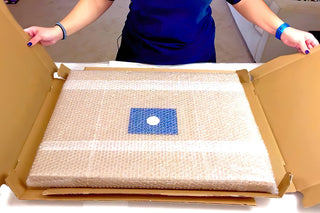
STEP 2 - SHIPPING
We ship your order. We send you an email to track the progress

STEP 3 - DELIVERY
You receive your order. You can also, according to your choice, be delivered to a relay point.
Matte finish
View from behind
Frame (optional)
Introduction captivante
Plunging into the fascinating world of 19th-century Japan, the art print Koto à eko 1830 - Utagawa Kuniyoshi transports us to a time when graphic art intertwined with popular culture. This iconic piece, created by one of the masters of ukiyo-e, celebrates the beauty and depth of Japanese traditions while revealing the technical virtuosity of its creator. By contemplating this work, viewers are invited to explore the subtleties of daily life, legends, and stories that animate feudal Japan. The vibrant colors and delicate lines of Kuniyoshi capture not only the aesthetics of his era but also the soul of a nation in full transformation.
Style and uniqueness of the work
Kuniyoshi's style is distinguished by its boldness and ability to fuse realism with a touch of imagination. The art print Koto à eko 1830 perfectly illustrates this approach, where characters are depicted with rare expressiveness, each movement seeming to tell a story. Floral motifs and natural elements intertwine with human figures, creating a visual harmony that draws the eye and stimulates the imagination. Mastery of shadows and lights, as well as the use of vivid colors, give the piece depth and dynamism that captivate the viewer. Furthermore, the depiction of musical instruments, such as the koto, evokes a poetic atmosphere, inviting contemplation and escape.
The artist and his influence
Utagawa Kuniyoshi, born in 1798, is one of the pillars of the ukiyo-e school, an artistic movement that marked the history of Japan. He distinguished himself through his originality and ability to reinterpret traditional themes while infusing them with undeniable modernity. His works, often populated with legendary warriors and fantastic creatures, testify to a boundless imagination and a deep knowledge of historical and mythological stories. Kuniyoshi also influenced many artists, both in Japan and internationally, paving the way for new forms of artistic expression. His impact
12,34 €