
Painting Kitchen scene - Pehr Hilleström | Art print


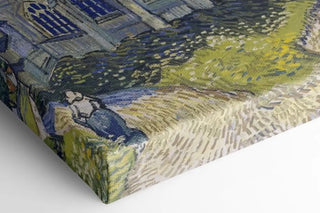
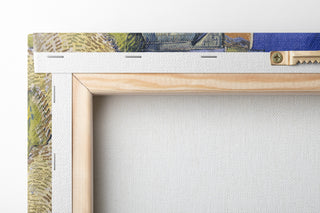
View from behind
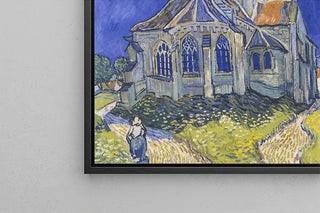
Frame (optional)
Art print Scene of kitchen - Pehr Hilleström – Engaging introduction
In the vibrant world of 18th-century Scandinavian art, the "Scene of kitchen" by Pehr Hilleström stands out for its intimate and warm depiction of domestic life. This painting, a true window into everyday life, immerses us in the convivial atmosphere of a Swedish kitchen. The characters busy in this space appear captured in a moment of serenity, where culinary art and human interactions blend harmoniously. The work invites the viewer to become part of this scene of life, awakening memories of shared meals and family rituals.
Style and uniqueness of the work
Hilleström's style is characterized by striking realism, which transcends mere representation to evoke deep emotions. In "Scene of kitchen," the meticulous details of utensils, the texture of food, and the soft lighting filtering through the window testify to attentive observation of the surrounding world. Warm colors and delicate nuances contribute to creating a soothing atmosphere, where each element seems to have its place. Hilleström does not just paint a scene; he tells a story, that of a suspended moment in time, where the authenticity of gestures and human expressions is highlighted. This ability to capture the essence of everyday life makes his work a valuable testament to his era.
The artist and his influence
Pehr Hilleström, often regarded as one of the masters of the genre in Sweden, established himself through his unique vision and refined technique. Born in 1732, he was initially influenced by Rococo, before evolving toward a more sober and realistic style. His training abroad, notably in France, enriched his artistic approach, leading him to incorporate elements of French painting while remaining true to his Nordic roots. Hilleström played a key role in popularizing genre painting in Sweden, inspiring many artists to explore scenes of daily life. His legacy endures today, as his works continue to be celebrated for their ability to evoke time, the
Painting Kitchen scene - Pehr Hilleström | Art print

-10% FROM €95 IN PURCHASES
-15% FROM €195 IN PURCHASES
Regular price
- Unit price
- per
Tax included.
Free shipping
€4.90 / Free shipping on orders over €39
Satisfied or Money Back
Free returns within 30 days
10-year warranty
Our prints are guaranteed for 10 years
Any questions? We are here!
by email to contact@artemlegrand.com
THE STEPS OF YOUR ORDER
STEP 1 - ORDER PLACED
Your order has been confirmed and we are starting production
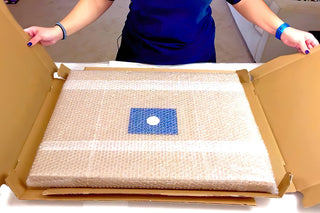
STEP 2 - SHIPPING
We ship your order. We send you an email to track the progress

STEP 3 - DELIVERY
You receive your order. You can also, according to your choice, be delivered to a relay point.
Matte finish
View from behind
Frame (optional)
Art print Scene of kitchen - Pehr Hilleström – Engaging introduction
In the vibrant world of 18th-century Scandinavian art, the "Scene of kitchen" by Pehr Hilleström stands out for its intimate and warm depiction of domestic life. This painting, a true window into everyday life, immerses us in the convivial atmosphere of a Swedish kitchen. The characters busy in this space appear captured in a moment of serenity, where culinary art and human interactions blend harmoniously. The work invites the viewer to become part of this scene of life, awakening memories of shared meals and family rituals.
Style and uniqueness of the work
Hilleström's style is characterized by striking realism, which transcends mere representation to evoke deep emotions. In "Scene of kitchen," the meticulous details of utensils, the texture of food, and the soft lighting filtering through the window testify to attentive observation of the surrounding world. Warm colors and delicate nuances contribute to creating a soothing atmosphere, where each element seems to have its place. Hilleström does not just paint a scene; he tells a story, that of a suspended moment in time, where the authenticity of gestures and human expressions is highlighted. This ability to capture the essence of everyday life makes his work a valuable testament to his era.
The artist and his influence
Pehr Hilleström, often regarded as one of the masters of the genre in Sweden, established himself through his unique vision and refined technique. Born in 1732, he was initially influenced by Rococo, before evolving toward a more sober and realistic style. His training abroad, notably in France, enriched his artistic approach, leading him to incorporate elements of French painting while remaining true to his Nordic roots. Hilleström played a key role in popularizing genre painting in Sweden, inspiring many artists to explore scenes of daily life. His legacy endures today, as his works continue to be celebrated for their ability to evoke time, the
12,34 €