
Painting Katarina Opalinski 1680–1749 - Johan Starbus | Art print


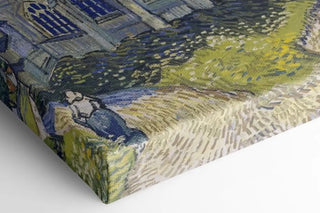
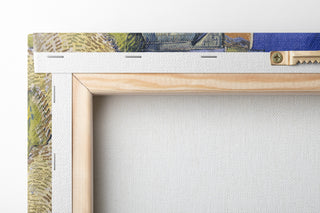
View from behind
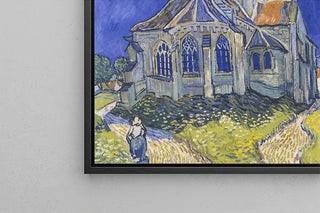
Frame (optional)
In the fascinating world of baroque art, the art print Katarina Opalinski 1680–1749 - Johan Starbus stands out for its elegance and depth. This piece, which evokes a time marked by cultural and artistic upheavals, transports the viewer into a universe where beauty and technique meet in harmony. Portraits from this period are often rich in symbolism, and this one is no exception. Gazing at this work, one is immediately struck by how the artist manages to capture the very essence of her subject, revealing emotions and character traits that transcend mere visual representation.
Style and uniqueness of the work
Johan Starbus's style is characterized by meticulous attention to detail and a subtle use of light. In this piece, each brushstroke appears to be chosen with care, creating a texture that brings the painting to life. The colors, both vibrant and delicate, harmonize to evoke an atmosphere of serenity and refinement. The artist excels in depicting clothing, drapery, and ornaments, demonstrating technical mastery that makes him one of the most respected painters of his time. Katarina Opalinski's pose, slightly turned, invites the viewer to come closer, to ponder her thoughts and feelings. This painting does not merely depict a historical figure; it tells a story, that of a woman whose presence is both commanding and delicate.
The artist and his influence
Johan Starbus, whose work is rooted in the tradition of 17th-century portraitists, managed to establish himself thanks to his unique style and his ability to capture the soul of his subjects. Originating from an artistic background, he was influenced by the masters of his era, while developing a personal approach that is entirely his own. His career, marked by prestigious commissions, testifies to the impact he had on his contemporaries and subsequent generations. Starbus's portraits are often regarded as references, both for their technical quality and for their capacity to express complex emotions. In rediscovering his work, one
Painting Katarina Opalinski 1680–1749 - Johan Starbus | Art print

-10% FROM €95 IN PURCHASES
-15% FROM €195 IN PURCHASES
Regular price
- Unit price
- per
Tax included.
Free shipping
€4.90 / Free shipping on orders over €39
Satisfied or Money Back
Free returns within 30 days
10-year warranty
Our prints are guaranteed for 10 years
Any questions? We are here!
by email to contact@artemlegrand.com
THE STEPS OF YOUR ORDER

STEP 1 - ORDER PLACED
Your order has been confirmed and we are starting production
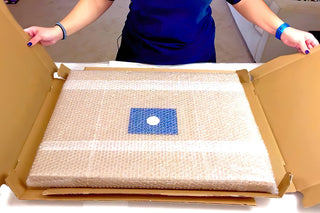
STEP 2 - SHIPPING
We ship your order. We send you an email to track the progress

STEP 3 - DELIVERY
You receive your order. You can also, according to your choice, be delivered to a relay point.
Matte finish
View from behind
Frame (optional)
In the fascinating world of baroque art, the art print Katarina Opalinski 1680–1749 - Johan Starbus stands out for its elegance and depth. This piece, which evokes a time marked by cultural and artistic upheavals, transports the viewer into a universe where beauty and technique meet in harmony. Portraits from this period are often rich in symbolism, and this one is no exception. Gazing at this work, one is immediately struck by how the artist manages to capture the very essence of her subject, revealing emotions and character traits that transcend mere visual representation.
Style and uniqueness of the work
Johan Starbus's style is characterized by meticulous attention to detail and a subtle use of light. In this piece, each brushstroke appears to be chosen with care, creating a texture that brings the painting to life. The colors, both vibrant and delicate, harmonize to evoke an atmosphere of serenity and refinement. The artist excels in depicting clothing, drapery, and ornaments, demonstrating technical mastery that makes him one of the most respected painters of his time. Katarina Opalinski's pose, slightly turned, invites the viewer to come closer, to ponder her thoughts and feelings. This painting does not merely depict a historical figure; it tells a story, that of a woman whose presence is both commanding and delicate.
The artist and his influence
Johan Starbus, whose work is rooted in the tradition of 17th-century portraitists, managed to establish himself thanks to his unique style and his ability to capture the soul of his subjects. Originating from an artistic background, he was influenced by the masters of his era, while developing a personal approach that is entirely his own. His career, marked by prestigious commissions, testifies to the impact he had on his contemporaries and subsequent generations. Starbus's portraits are often regarded as references, both for their technical quality and for their capacity to express complex emotions. In rediscovering his work, one
12,34 €