
Painting Judith with the Head of Holofernes - Lavinia Fontana | Art print


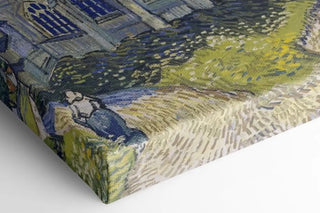
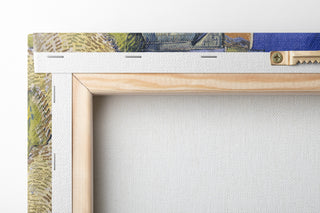
View from behind
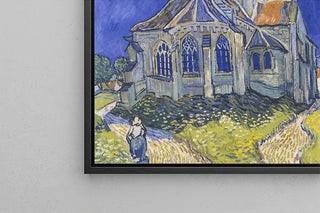
Frame (optional)
Judith with the head of Holofernes - Lavinia Fontana – Captivating Introduction
In the fascinating universe of art history, certain works transcend time and continue to evoke powerful emotions. "Judith with the head of Holofernes" by Lavinia Fontana is one of these iconic creations. Created at the end of the 16th century, this painting depicts a dramatic moment from the Old Testament, where Judith, a daring heroine, beheads the Assyrian general Holofernes to save her people. This representation is not limited to a simple biblical story; it also embodies feminine strength and determination, while showcasing Fontana's exceptional talent, a pioneer in a male-dominated artistic world.
Style and uniqueness of the work
Lavinia Fontana's work stands out for its unique style, blending realism and expressiveness. In "Judith with the head of Holofernes," the composition is carefully orchestrated, with each element placed with meticulous precision. Judith, with her determined face, is highlighted through a palette of rich and vibrant colors that emphasize her heroic character. The detailed nuances, such as the drapery of her dress and the shine of her hair, demonstrate the artist's technical mastery. Fontana manages to capture not only the moment of action but also the intensity of emotions, making the scene both dramatic and poignant. This painting is thus a true celebration of artistic virtuosity, where every brushstroke contributes to a captivating visual narrative.
The artist and her influence
Lavinia Fontana, born in Bologna in 1552, is often regarded as one of the first female painters to succeed in establishing herself in a traditionally male artistic environment. Her thriving career is marked by prolific output and a wide variety of subjects, ranging from portraits to mythological scenes. Fontana was able to draw inspiration from Renaissance masters while developing her own distinctive style. Her work not only influenced her contemporaries but also paved the way for future generations of female artists. Through her boldness and talent, she contributed to redefining
Painting Judith with the Head of Holofernes - Lavinia Fontana | Art print

-10% FROM €95 IN PURCHASES
-15% FROM €195 IN PURCHASES
Regular price
- Unit price
- per
Tax included.
Free shipping
€4.90 / Free shipping on orders over €39
Satisfied or Money Back
Free returns within 30 days
10-year warranty
Our prints are guaranteed for 10 years
Any questions? We are here!
by email to contact@artemlegrand.com
THE STEPS OF YOUR ORDER

STEP 1 - ORDER PLACED
Your order has been confirmed and we are starting production
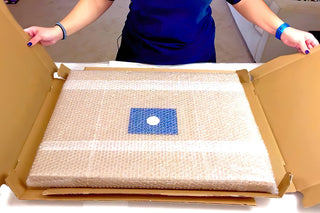
STEP 2 - SHIPPING
We ship your order. We send you an email to track the progress

STEP 3 - DELIVERY
You receive your order. You can also, according to your choice, be delivered to a relay point.
Matte finish
View from behind
Frame (optional)
Judith with the head of Holofernes - Lavinia Fontana – Captivating Introduction
In the fascinating universe of art history, certain works transcend time and continue to evoke powerful emotions. "Judith with the head of Holofernes" by Lavinia Fontana is one of these iconic creations. Created at the end of the 16th century, this painting depicts a dramatic moment from the Old Testament, where Judith, a daring heroine, beheads the Assyrian general Holofernes to save her people. This representation is not limited to a simple biblical story; it also embodies feminine strength and determination, while showcasing Fontana's exceptional talent, a pioneer in a male-dominated artistic world.
Style and uniqueness of the work
Lavinia Fontana's work stands out for its unique style, blending realism and expressiveness. In "Judith with the head of Holofernes," the composition is carefully orchestrated, with each element placed with meticulous precision. Judith, with her determined face, is highlighted through a palette of rich and vibrant colors that emphasize her heroic character. The detailed nuances, such as the drapery of her dress and the shine of her hair, demonstrate the artist's technical mastery. Fontana manages to capture not only the moment of action but also the intensity of emotions, making the scene both dramatic and poignant. This painting is thus a true celebration of artistic virtuosity, where every brushstroke contributes to a captivating visual narrative.
The artist and her influence
Lavinia Fontana, born in Bologna in 1552, is often regarded as one of the first female painters to succeed in establishing herself in a traditionally male artistic environment. Her thriving career is marked by prolific output and a wide variety of subjects, ranging from portraits to mythological scenes. Fontana was able to draw inspiration from Renaissance masters while developing her own distinctive style. Her work not only influenced her contemporaries but also paved the way for future generations of female artists. Through her boldness and talent, she contributed to redefining
12,34 €