
Painting John Palmer, avocat du Temple intérieur - William Hogarth | Art print


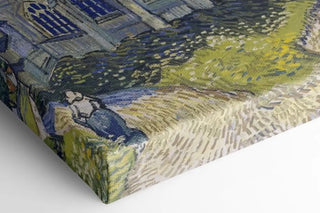
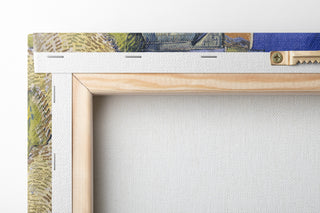
View from behind
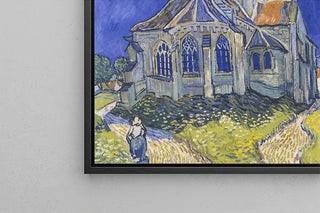
Frame (optional)
John Palmer, art print of the Inner Temple lawyer - William Hogarth – Captivating introduction
In the vibrant panorama of 18th-century British art, the work "John Palmer, lawyer of the Inner Temple" by William Hogarth stands out for its narrative depth and stylistic boldness. This painting, which captures the essence of an iconic figure of London society of the time, immerses us in the social, political, and legal issues of a rapidly changing world. William Hogarth, through this portrait, does not merely depict a man; he creates a vivid tableau of the human condition, where every detail seems to whisper a story. The art print of John Palmer, lawyer of the Inner Temple - William Hogarth, allows us to approach this work with a fresh perspective, while preserving the authenticity of the original.
Style and uniqueness of the work
Hogarth's style is characterized by a blend of realism and satire, and "John Palmer, lawyer of the Inner Temple" is no exception. The composition of the piece is carefully orchestrated, with particular attention paid to facial expressions and the postures of the characters. Palmer's penetrating gaze, combined with his environment, evokes an aura of dignity and power, while revealing underlying tensions of his profession. The colors, though earthy, vibrate with an intensity that captures the viewer's attention, while meticulous details, such as legal accessories and drapery, enhance the scene's authenticity. Hogarth, a master of visual storytelling, manages to infuse a dynamic quality into this work, where each element contributes to a broader narrative on morality and ethics of his time.
The artist and his influence
William Hogarth, born in 1697, is often regarded as one of the pioneers of narrative painting. He transcended simple portraits to offer critical reflections on society of his era. His work, rich in symbolism and irony, paved the way for many artists who followed in his footsteps, especially in the realm of committed art. Hogarth does not merely paint historical or mythological figures; he delves into everyday life, depicting characters who, although specific to their time, still resonate today. His ability to capture
Painting John Palmer, avocat du Temple intérieur - William Hogarth | Art print

-10% FROM €95 IN PURCHASES
-15% FROM €195 IN PURCHASES
Regular price
- Unit price
- per
Tax included.
Free shipping
€4.90 / Free shipping on orders over €39
Satisfied or Money Back
Free returns within 30 days
10-year warranty
Our prints are guaranteed for 10 years
Any questions? We are here!
by email to contact@artemlegrand.com
THE STEPS OF YOUR ORDER

STEP 1 - ORDER PLACED
Your order has been confirmed and we are starting production
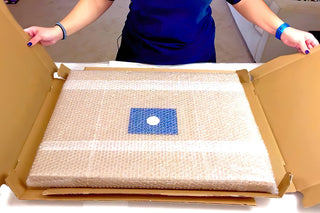
STEP 2 - SHIPPING
We ship your order. We send you an email to track the progress

STEP 3 - DELIVERY
You receive your order. You can also, according to your choice, be delivered to a relay point.
Matte finish
View from behind
Frame (optional)
John Palmer, art print of the Inner Temple lawyer - William Hogarth – Captivating introduction
In the vibrant panorama of 18th-century British art, the work "John Palmer, lawyer of the Inner Temple" by William Hogarth stands out for its narrative depth and stylistic boldness. This painting, which captures the essence of an iconic figure of London society of the time, immerses us in the social, political, and legal issues of a rapidly changing world. William Hogarth, through this portrait, does not merely depict a man; he creates a vivid tableau of the human condition, where every detail seems to whisper a story. The art print of John Palmer, lawyer of the Inner Temple - William Hogarth, allows us to approach this work with a fresh perspective, while preserving the authenticity of the original.
Style and uniqueness of the work
Hogarth's style is characterized by a blend of realism and satire, and "John Palmer, lawyer of the Inner Temple" is no exception. The composition of the piece is carefully orchestrated, with particular attention paid to facial expressions and the postures of the characters. Palmer's penetrating gaze, combined with his environment, evokes an aura of dignity and power, while revealing underlying tensions of his profession. The colors, though earthy, vibrate with an intensity that captures the viewer's attention, while meticulous details, such as legal accessories and drapery, enhance the scene's authenticity. Hogarth, a master of visual storytelling, manages to infuse a dynamic quality into this work, where each element contributes to a broader narrative on morality and ethics of his time.
The artist and his influence
William Hogarth, born in 1697, is often regarded as one of the pioneers of narrative painting. He transcended simple portraits to offer critical reflections on society of his era. His work, rich in symbolism and irony, paved the way for many artists who followed in his footsteps, especially in the realm of committed art. Hogarth does not merely paint historical or mythological figures; he delves into everyday life, depicting characters who, although specific to their time, still resonate today. His ability to capture
12,34 €