
Art print of Jesus at Twelve Years Old in the Temple - Jacob Willemsz. de Wet | Art print


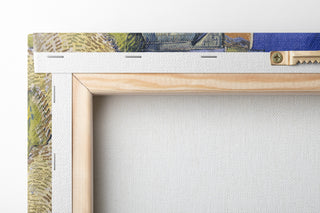
View from behind
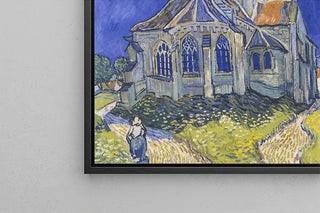
Frame (optional)
In the rich and complex universe of religious art, the artwork "Jesus at Twelve in the Temple" by Jacob Willemsz. de Wet emerges as an iconic piece that invites reflection and wonder. This painting, capturing a pivotal moment in Jesus' life, immerses us in a scene where wisdom and innocence meet. The artist transports us to the heart of the Jerusalem Temple, where young Jesus, surrounded by scholars of the law, demonstrates an intelligence and understanding that surpass his age. This representation does not merely illustrate a biblical story; it also evokes universal themes such as the pursuit of knowledge and the relationship between the divine and the human.
Style and uniqueness of the artwork
The uniqueness of this piece lies in how de Wet manages to blend narrative elements with impressive technical mastery. The composition is carefully orchestrated, with each character occupying a precise place that enhances the scene's dynamics. The facial expressions, ranging from astonishment to admiration, are rendered with delicacy that reflects the artist's sensitivity. The detailed clothing and architectural elements, meticulously crafted, immerse the viewer in the period and context of the scene. De Wet uses a palette of warm and luminous colors, creating an atmosphere that is both serene and emotionally charged. This allows the audience to feel the depth of the moment and establish an intimate connection with the depicted characters.
The artist and his influence
Jacob Willemsz. de Wet, a Dutch painter of the 17th century, managed to carve out a place in the artistic landscape of his time. Trained in the tradition of Flemish masters, he developed a personal style that combines academic rigor with emotional sensitivity. His work is marked by a particular attention to detail and a capacity to capture moments of life with rare intensity. De Wet was also influenced by contemporary currents, incorporating baroque elements that enrich his compositions. His ability to address religious themes with a humanist approach paved the way for other artists
Art print of Jesus at Twelve Years Old in the Temple - Jacob Willemsz. de Wet | Art print

-10% FROM €95 IN PURCHASES
-15% FROM €195 IN PURCHASES
Regular price
- Unit price
- per
Tax included.
Free shipping
€4.90 / Free shipping on orders over €39
Satisfied or Money Back
Free returns within 30 days
10-year warranty
Our prints are guaranteed for 10 years
Any questions? We are here!
by email to contact@artemlegrand.com
THE STEPS OF YOUR ORDER

STEP 1 - ORDER PLACED
Your order has been confirmed and we are starting production

STEP 2 - SHIPPING
We ship your order. We send you an email to track the progress

STEP 3 - DELIVERY
You receive your order. You can also, according to your choice, be delivered to a relay point.
Matte finish
View from behind
Frame (optional)
In the rich and complex universe of religious art, the artwork "Jesus at Twelve in the Temple" by Jacob Willemsz. de Wet emerges as an iconic piece that invites reflection and wonder. This painting, capturing a pivotal moment in Jesus' life, immerses us in a scene where wisdom and innocence meet. The artist transports us to the heart of the Jerusalem Temple, where young Jesus, surrounded by scholars of the law, demonstrates an intelligence and understanding that surpass his age. This representation does not merely illustrate a biblical story; it also evokes universal themes such as the pursuit of knowledge and the relationship between the divine and the human.
Style and uniqueness of the artwork
The uniqueness of this piece lies in how de Wet manages to blend narrative elements with impressive technical mastery. The composition is carefully orchestrated, with each character occupying a precise place that enhances the scene's dynamics. The facial expressions, ranging from astonishment to admiration, are rendered with delicacy that reflects the artist's sensitivity. The detailed clothing and architectural elements, meticulously crafted, immerse the viewer in the period and context of the scene. De Wet uses a palette of warm and luminous colors, creating an atmosphere that is both serene and emotionally charged. This allows the audience to feel the depth of the moment and establish an intimate connection with the depicted characters.
The artist and his influence
Jacob Willemsz. de Wet, a Dutch painter of the 17th century, managed to carve out a place in the artistic landscape of his time. Trained in the tradition of Flemish masters, he developed a personal style that combines academic rigor with emotional sensitivity. His work is marked by a particular attention to detail and a capacity to capture moments of life with rare intensity. De Wet was also influenced by contemporary currents, incorporating baroque elements that enrich his compositions. His ability to address religious themes with a humanist approach paved the way for other artists
12,34 €