
Art print Ispida c The Kingfisher Myrtus c The narrow-leaved myrtle - Mark Catesby | Art print


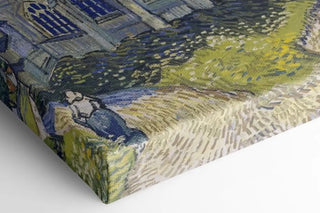
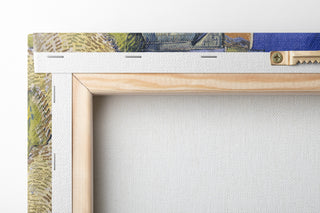
View from behind
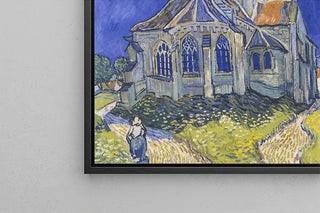
Frame (optional)
In the vast panorama of art history, certain works emerge as precious testimonies of the encounter between nature and humanity. The art print Ispida c Le Martin-pêcheur Myrtus c Le myrte à feuilles étroites - Mark Catesby is a striking example. This piece, both delicate and vibrant, immerses us in the heart of an ecosystem where each element, from the kingfisher to the myrtle leaves, tells a story. Catesby, a true observer of nature, manages to capture not only the appearance of the subjects but also their essence, creating a work that resonates with timeless beauty.
Style and uniqueness of the work
Mark Catesby's style is distinguished by its meticulous and scientific approach, blending art and naturalist observation. In this work, the vivid colors of the kingfisher contrast with the softness of the myrtle leaves, creating a visual harmony that catches the eye and stimulates the imagination. Every detail is carefully rendered, from the shimmering feathers of the bird to the delicate nuances of the leaves, demonstrating a keen sense of aesthetics. Catesby does not merely depict nature; he interprets it, endowing it with a poetic dimension. This work is thus much more than a simple illustration: it is a celebration of biodiversity, an invitation to contemplate the beauty of the natural world.
The artist and his influence
Mark Catesby, naturalist and artist of the eighteenth century, is often regarded as one of the pioneers of botanical and ornithological art print. His work played a crucial role in spreading knowledge about the flora and fauna of the New World. Traveling across America, he collected specimens and observations that enriched the knowledge of his time. Catesby's influence extends far beyond his era, inspiring generations of artists and scientists. His ability to combine scientific precision with artistic sensitivity paved the way for a new way of understanding nature, where meticulous observation becomes a form of art in its own right.
Art print Ispida c The Kingfisher Myrtus c The narrow-leaved myrtle - Mark Catesby | Art print

-10% FROM €95 IN PURCHASES
-15% FROM €195 IN PURCHASES
Regular price
- Unit price
- per
Tax included.
Free shipping
€4.90 / Free shipping on orders over €39
Satisfied or Money Back
Free returns within 30 days
10-year warranty
Our prints are guaranteed for 10 years
Any questions? We are here!
by email to contact@artemlegrand.com
THE STEPS OF YOUR ORDER

STEP 1 - ORDER PLACED
Your order has been confirmed and we are starting production
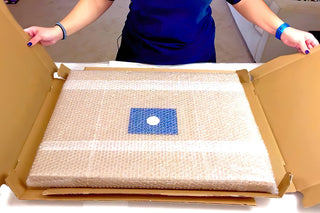
STEP 2 - SHIPPING
We ship your order. We send you an email to track the progress

STEP 3 - DELIVERY
You receive your order. You can also, according to your choice, be delivered to a relay point.
Matte finish
View from behind
Frame (optional)
In the vast panorama of art history, certain works emerge as precious testimonies of the encounter between nature and humanity. The art print Ispida c Le Martin-pêcheur Myrtus c Le myrte à feuilles étroites - Mark Catesby is a striking example. This piece, both delicate and vibrant, immerses us in the heart of an ecosystem where each element, from the kingfisher to the myrtle leaves, tells a story. Catesby, a true observer of nature, manages to capture not only the appearance of the subjects but also their essence, creating a work that resonates with timeless beauty.
Style and uniqueness of the work
Mark Catesby's style is distinguished by its meticulous and scientific approach, blending art and naturalist observation. In this work, the vivid colors of the kingfisher contrast with the softness of the myrtle leaves, creating a visual harmony that catches the eye and stimulates the imagination. Every detail is carefully rendered, from the shimmering feathers of the bird to the delicate nuances of the leaves, demonstrating a keen sense of aesthetics. Catesby does not merely depict nature; he interprets it, endowing it with a poetic dimension. This work is thus much more than a simple illustration: it is a celebration of biodiversity, an invitation to contemplate the beauty of the natural world.
The artist and his influence
Mark Catesby, naturalist and artist of the eighteenth century, is often regarded as one of the pioneers of botanical and ornithological art print. His work played a crucial role in spreading knowledge about the flora and fauna of the New World. Traveling across America, he collected specimens and observations that enriched the knowledge of his time. Catesby's influence extends far beyond his era, inspiring generations of artists and scientists. His ability to combine scientific precision with artistic sensitivity paved the way for a new way of understanding nature, where meticulous observation becomes a form of art in its own right.
12,34 €