
Painting Interior view of the Baths of Julian - Jean Baptiste Marchal | Art print


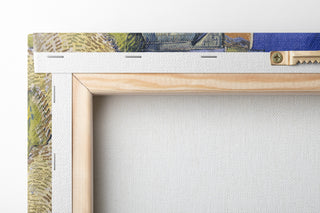
View from behind
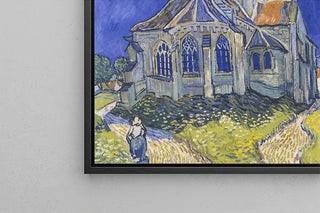
Frame (optional)
Interior view of the Julien Baths - Jean Baptiste Marchal – Captivating introduction
Jean Baptiste Marchal's "Interior view of the Julien Baths" is a work that transports the viewer to the heart of ancient Rome, revealing the majesty and architectural complexity of the baths, these meeting and relaxation places favored by the Romans. Through this depiction, Marchal does not merely portray a simple space but evokes a vibrant atmosphere where every detail tells a story. The artist manages to capture not only the grandeur of the sites but also the spirit of Roman civilization, marked by a keen sense of well-being and conviviality. This work, through its realism and depth, invites us to explore a bygone world while awakening our curiosity about the practices and lifestyles of our ancestors.
Style and uniqueness of the work
Marchal's style is distinguished by meticulous attention to detail and skillful use of light. In this interior view, the interplay of shadow and light creates a striking sense of depth, allowing the viewer to fully immerse themselves in the depicted space. The majestic columns, delicate mosaics, and human figures—whether in motion or contemplation—are rendered with precision that evokes realism while maintaining a certain idealization characteristic of neoclassical art. Every element of the composition is designed to guide the eye and evoke emotion, transforming passive observation into an almost sensory experience. The choice of colors, both rich and harmonious, also contributes to the warm and welcoming atmosphere of this scene.
The artist and his influence
Jean Baptiste Marchal, born into the vibrant artistic context of the 18th century, established himself as a master of landscape and architecture. His work reflects an era where art aimed to elevate the spirit and evoke great civilizations of the past. Marchal, influenced by the great masters of the Renaissance and Baroque, was able to incorporate these inspirations into his own style, thus marking his time with a unique vision. His approach to architectural representation, blending precision and poetry, paved the way for many artists who
Painting Interior view of the Baths of Julian - Jean Baptiste Marchal | Art print

-10% FROM €95 IN PURCHASES
-15% FROM €195 IN PURCHASES
Regular price
- Unit price
- per
Tax included.
Free shipping
€4.90 / Free shipping on orders over €39
Satisfied or Money Back
Free returns within 30 days
10-year warranty
Our prints are guaranteed for 10 years
Any questions? We are here!
by email to contact@artemlegrand.com
THE STEPS OF YOUR ORDER

STEP 1 - ORDER PLACED
Your order has been confirmed and we are starting production
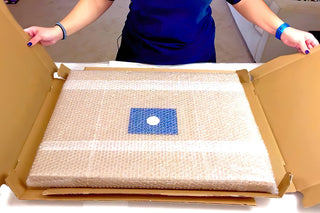
STEP 2 - SHIPPING
We ship your order. We send you an email to track the progress

STEP 3 - DELIVERY
You receive your order. You can also, according to your choice, be delivered to a relay point.
Matte finish
View from behind
Frame (optional)
Interior view of the Julien Baths - Jean Baptiste Marchal – Captivating introduction
Jean Baptiste Marchal's "Interior view of the Julien Baths" is a work that transports the viewer to the heart of ancient Rome, revealing the majesty and architectural complexity of the baths, these meeting and relaxation places favored by the Romans. Through this depiction, Marchal does not merely portray a simple space but evokes a vibrant atmosphere where every detail tells a story. The artist manages to capture not only the grandeur of the sites but also the spirit of Roman civilization, marked by a keen sense of well-being and conviviality. This work, through its realism and depth, invites us to explore a bygone world while awakening our curiosity about the practices and lifestyles of our ancestors.
Style and uniqueness of the work
Marchal's style is distinguished by meticulous attention to detail and skillful use of light. In this interior view, the interplay of shadow and light creates a striking sense of depth, allowing the viewer to fully immerse themselves in the depicted space. The majestic columns, delicate mosaics, and human figures—whether in motion or contemplation—are rendered with precision that evokes realism while maintaining a certain idealization characteristic of neoclassical art. Every element of the composition is designed to guide the eye and evoke emotion, transforming passive observation into an almost sensory experience. The choice of colors, both rich and harmonious, also contributes to the warm and welcoming atmosphere of this scene.
The artist and his influence
Jean Baptiste Marchal, born into the vibrant artistic context of the 18th century, established himself as a master of landscape and architecture. His work reflects an era where art aimed to elevate the spirit and evoke great civilizations of the past. Marchal, influenced by the great masters of the Renaissance and Baroque, was able to incorporate these inspirations into his own style, thus marking his time with a unique vision. His approach to architectural representation, blending precision and poetry, paved the way for many artists who
12,34 €