
Art print Interior of a weavers' cottage - Thomas Wijck


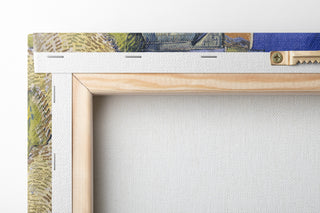
View from behind
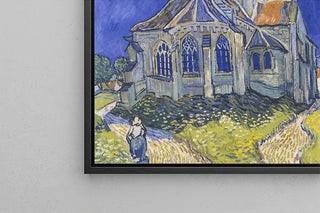
Frame (optional)
Interior of a weavers' cottage - Thomas Wijck – Captivating introduction
In the world of art, some works manage to capture not only scenes of everyday life but also the very essence of an era. "Interior of a weavers' cottage" by Thomas Wijck is one of those creations that transports the viewer to the heart of a frozen moment in time. This artwork, created in the 17th century, immerses us in the intimacy of a weavers' home, revealing a warm and authentic atmosphere. Through meticulous details and harmonious composition, Wijck succeeds in evoking the simplicity and beauty of rural life, while highlighting the artisanal craftsmanship characteristic of this period.
Style and uniqueness of the work
Thomas Wijck's style is marked by striking realism and particular attention to detail. In "Interior of a weavers' cottage," he uses light play to emphasize the texture of materials and the warmth of colors. The wooden walls, colorful fabrics, and everyday objects are rendered with precision that allows the viewer to feel the authenticity of the scene. The composition is carefully orchestrated, with characters engaged in their activity, creating a lively dynamic within the painting. Each element, from the loom to domestic accessories, contributes to a visual narrative that invites observation and contemplation. This artwork stands out for its ability to capture not only a moment but also a story — that of ancestral craftsmanship and community life.
The artist and his influence
Thomas Wijck, a Dutch painter of the 17th century, established himself as a major figure of his time. Trained in the tradition of Flemish masters, he developed a distinctive style that combines realism and sensitivity. His work reflects a deep admiration for rural life and artisanal trades, often overlooked by artists of his era. Wijck highlighted the beauty of everyday scenes, inspiring many contemporary and future artists. His worldview, imbued with simplicity and respect for manual labor, left a lasting mark on art history. Through his paintings, he paved the way for a
Art print Interior of a weavers' cottage - Thomas Wijck

-10% FROM €95 IN PURCHASES
-15% FROM €195 IN PURCHASES
Regular price
- Unit price
- per
Tax included.
Free shipping
€4.90 / Free shipping on orders over €39
Satisfied or Money Back
Free returns within 30 days
10-year warranty
Our prints are guaranteed for 10 years
Any questions? We are here!
by email to contact@artemlegrand.com
THE STEPS OF YOUR ORDER

STEP 1 - ORDER PLACED
Your order has been confirmed and we are starting production
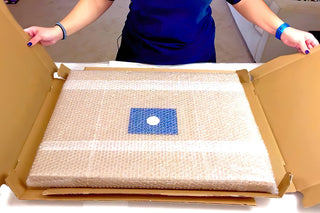
STEP 2 - SHIPPING
We ship your order. We send you an email to track the progress

STEP 3 - DELIVERY
You receive your order. You can also, according to your choice, be delivered to a relay point.
Matte finish
View from behind
Frame (optional)
Interior of a weavers' cottage - Thomas Wijck – Captivating introduction
In the world of art, some works manage to capture not only scenes of everyday life but also the very essence of an era. "Interior of a weavers' cottage" by Thomas Wijck is one of those creations that transports the viewer to the heart of a frozen moment in time. This artwork, created in the 17th century, immerses us in the intimacy of a weavers' home, revealing a warm and authentic atmosphere. Through meticulous details and harmonious composition, Wijck succeeds in evoking the simplicity and beauty of rural life, while highlighting the artisanal craftsmanship characteristic of this period.
Style and uniqueness of the work
Thomas Wijck's style is marked by striking realism and particular attention to detail. In "Interior of a weavers' cottage," he uses light play to emphasize the texture of materials and the warmth of colors. The wooden walls, colorful fabrics, and everyday objects are rendered with precision that allows the viewer to feel the authenticity of the scene. The composition is carefully orchestrated, with characters engaged in their activity, creating a lively dynamic within the painting. Each element, from the loom to domestic accessories, contributes to a visual narrative that invites observation and contemplation. This artwork stands out for its ability to capture not only a moment but also a story — that of ancestral craftsmanship and community life.
The artist and his influence
Thomas Wijck, a Dutch painter of the 17th century, established himself as a major figure of his time. Trained in the tradition of Flemish masters, he developed a distinctive style that combines realism and sensitivity. His work reflects a deep admiration for rural life and artisanal trades, often overlooked by artists of his era. Wijck highlighted the beauty of everyday scenes, inspiring many contemporary and future artists. His worldview, imbued with simplicity and respect for manual labor, left a lasting mark on art history. Through his paintings, he paved the way for a
12,34 €