
Art print Insectes Lépidoptères Rhopalocères Pl 063 - Frederick DuCane Godman


View from behind
Frame (optional)
Insect Art Prints Lepidoptera Rhopalocera Pl 063 - Frederick DuCane Godman – Engaging Introduction
In the vast universe of art, certain works stand out for their ability to capture the fleeting beauty of nature. The art print Insect Art Prints Lepidoptera Rhopalocera Pl 063 - Frederick DuCane Godman is a perfect example. This piece, which belongs to the tradition of naturalist illustrations, evokes a world often little known, that of butterflies and insects. Through an attentive gaze, the observer is transported into a universe where every detail is carefully highlighted, revealing the delicacy and complexity of these winged creatures. The beauty of this work lies not only in its aesthetic but also in its invitation to contemplate nature from a new perspective, to appreciate the meticulousness and richness of the forms that surround it.
Style and uniqueness of the work
Godman’s work is characterized by a meticulous style and particular attention to detail. Each butterfly, each insect is depicted with a precision that borders on perfection. The vibrant colors and delicate textures create a sense of life, as if the insects were ready to take flight at any moment. This striking realism is the result of careful observation and a passion for entomology, which is evident in every brushstroke. The artist manages to capture the very essence of these living beings, while integrating them into a frame that evokes both science and beauty. The composition of the work, balanced and harmonious, invites the viewer to approach, explore the details, and discover the subtleties of nature. This singularity makes the art print Insect Art Prints Lepidoptera Rhopalocera Pl 063 a true masterpiece of naturalist illustration.
The artist and his influence
Frederick DuCane Godman, an emblematic figure of the 19th century, was able to combine his passion for nature with his artistic talent. Naturalist and illustrator, he dedicated a large part of his life to the study of insects, which allowed him to develop a unique style, blending scientific rigor with artistic sensitivity. His work had a significant impact on
Art print Insectes Lépidoptères Rhopalocères Pl 063 - Frederick DuCane Godman

-10% FROM €95 IN PURCHASES
-15% FROM €195 IN PURCHASES
Regular price
- Unit price
- per
Tax included.
Free shipping
€4.90 / Free shipping on orders over €39
Satisfied or Money Back
Free returns within 30 days
10-year warranty
Our prints are guaranteed for 10 years
Any questions? We are here!
by email to contact@artemlegrand.com
THE STEPS OF YOUR ORDER
STEP 1 - ORDER PLACED
Your order has been confirmed and we are starting production
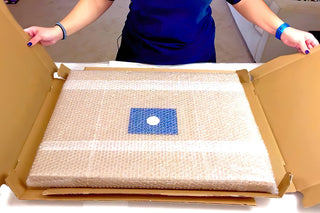
STEP 2 - SHIPPING
We ship your order. We send you an email to track the progress

STEP 3 - DELIVERY
You receive your order. You can also, according to your choice, be delivered to a relay point.
Matte finish
View from behind
Frame (optional)
Insect Art Prints Lepidoptera Rhopalocera Pl 063 - Frederick DuCane Godman – Engaging Introduction
In the vast universe of art, certain works stand out for their ability to capture the fleeting beauty of nature. The art print Insect Art Prints Lepidoptera Rhopalocera Pl 063 - Frederick DuCane Godman is a perfect example. This piece, which belongs to the tradition of naturalist illustrations, evokes a world often little known, that of butterflies and insects. Through an attentive gaze, the observer is transported into a universe where every detail is carefully highlighted, revealing the delicacy and complexity of these winged creatures. The beauty of this work lies not only in its aesthetic but also in its invitation to contemplate nature from a new perspective, to appreciate the meticulousness and richness of the forms that surround it.
Style and uniqueness of the work
Godman’s work is characterized by a meticulous style and particular attention to detail. Each butterfly, each insect is depicted with a precision that borders on perfection. The vibrant colors and delicate textures create a sense of life, as if the insects were ready to take flight at any moment. This striking realism is the result of careful observation and a passion for entomology, which is evident in every brushstroke. The artist manages to capture the very essence of these living beings, while integrating them into a frame that evokes both science and beauty. The composition of the work, balanced and harmonious, invites the viewer to approach, explore the details, and discover the subtleties of nature. This singularity makes the art print Insect Art Prints Lepidoptera Rhopalocera Pl 063 a true masterpiece of naturalist illustration.
The artist and his influence
Frederick DuCane Godman, an emblematic figure of the 19th century, was able to combine his passion for nature with his artistic talent. Naturalist and illustrator, he dedicated a large part of his life to the study of insects, which allowed him to develop a unique style, blending scientific rigor with artistic sensitivity. His work had a significant impact on
12,34 €