
Painting Insects Lepidoptera Rhopalocera Pl 030 - Frederick Du Cane Godman | Art print


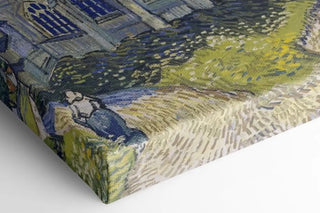
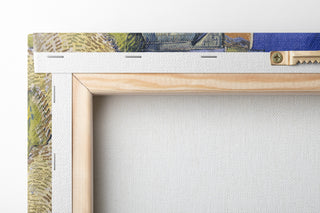
View from behind
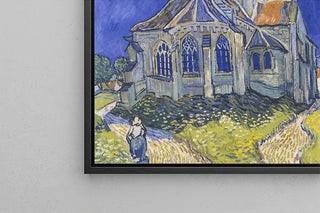
Frame (optional)
Insect Art print of Lepidoptera Rhopalocera Pl 030 - Frederick Du Cane Godman – Captivating introduction
The artwork titled "Insect Art print of Lepidoptera Rhopalocera Pl 030" by Frederick Du Cane Godman presents itself as a fascinating window into the world of butterflies and insects. This art print, imbued with remarkable delicacy, transports us into the naturalist universe of the 19th century, an era when observation and classification of species were at their peak. The meticulous details and vibrant color palette captivate the eye and evoke an insatiable curiosity for biodiversity. By contemplating this work, the viewer is invited to explore the fragile and ephemeral beauty of lepidopterans, while marveling at the scientific precision that characterizes Godman's work.
Style and uniqueness of the work
Godman's work stands out for its approach that is both artistic and scientific. Each insect is depicted with a level of detail that borders on entomology, revealing details often invisible to the naked eye. The dazzling colors of the butterfly wings, from shades of blue to touches of fiery orange, are rendered with such vibrancy that they seem to almost vibrate on the paper. This marriage between art and science creates a unique atmosphere, where aesthetics meet accuracy. Godman does not merely depict insects; he immortalizes them in their splendor, thus offering a celebration of nature that still resonates today. His style, both rigorous and poetic, embodies the spirit of an era when wonder for the natural world was at its zenith.
The artist and his influence
Frederick Du Cane Godman, naturalist and artist, is an emblematic figure of the 19th century. His passion for insects and his commitment to science led him to create works that transcend simple illustrations. Godman not only contributed to the entomological knowledge of his time but also inspired many artists and scientists around the world. His work served as a bridge between art and science, encouraging a deeper appreciation of biodiversity. Studying his works reveals not only an exceptional artistic talent but also a dedicated man.
Painting Insects Lepidoptera Rhopalocera Pl 030 - Frederick Du Cane Godman | Art print

-10% FROM €95 IN PURCHASES
-15% FROM €195 IN PURCHASES
Regular price
- Unit price
- per
Tax included.
Free shipping
€4.90 / Free shipping on orders over €39
Satisfied or Money Back
Free returns within 30 days
10-year warranty
Our prints are guaranteed for 10 years
Any questions? We are here!
by email to contact@artemlegrand.com
THE STEPS OF YOUR ORDER

STEP 1 - ORDER PLACED
Your order has been confirmed and we are starting production
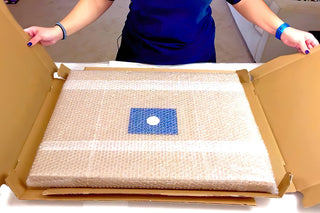
STEP 2 - SHIPPING
We ship your order. We send you an email to track the progress

STEP 3 - DELIVERY
You receive your order. You can also, according to your choice, be delivered to a relay point.
Matte finish
View from behind
Frame (optional)
Insect Art print of Lepidoptera Rhopalocera Pl 030 - Frederick Du Cane Godman – Captivating introduction
The artwork titled "Insect Art print of Lepidoptera Rhopalocera Pl 030" by Frederick Du Cane Godman presents itself as a fascinating window into the world of butterflies and insects. This art print, imbued with remarkable delicacy, transports us into the naturalist universe of the 19th century, an era when observation and classification of species were at their peak. The meticulous details and vibrant color palette captivate the eye and evoke an insatiable curiosity for biodiversity. By contemplating this work, the viewer is invited to explore the fragile and ephemeral beauty of lepidopterans, while marveling at the scientific precision that characterizes Godman's work.
Style and uniqueness of the work
Godman's work stands out for its approach that is both artistic and scientific. Each insect is depicted with a level of detail that borders on entomology, revealing details often invisible to the naked eye. The dazzling colors of the butterfly wings, from shades of blue to touches of fiery orange, are rendered with such vibrancy that they seem to almost vibrate on the paper. This marriage between art and science creates a unique atmosphere, where aesthetics meet accuracy. Godman does not merely depict insects; he immortalizes them in their splendor, thus offering a celebration of nature that still resonates today. His style, both rigorous and poetic, embodies the spirit of an era when wonder for the natural world was at its zenith.
The artist and his influence
Frederick Du Cane Godman, naturalist and artist, is an emblematic figure of the 19th century. His passion for insects and his commitment to science led him to create works that transcend simple illustrations. Godman not only contributed to the entomological knowledge of his time but also inspired many artists and scientists around the world. His work served as a bridge between art and science, encouraging a deeper appreciation of biodiversity. Studying his works reveals not only an exceptional artistic talent but also a dedicated man.
12,34 €