
Art print Maisons délabrées sur l'eau - Jan Hulswit | Art print


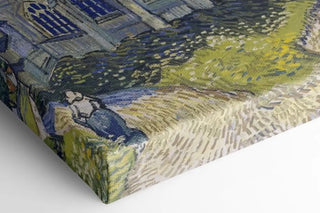
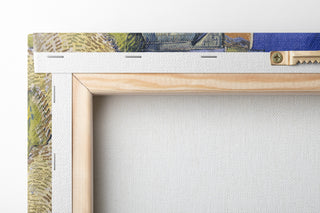
View from behind
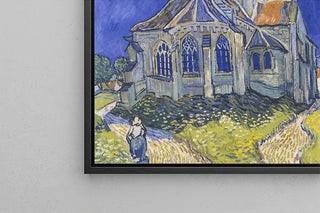
Frame (optional)
In the vast panorama of art history, some works manage to capture the essence of an era while evoking deep and universal emotions. "Maisons délabrées sur l'eau - Jan Hulswit" is one of those creations that, through its composition and atmosphere, transports the viewer into a world that is both melancholic and poetic. The depicted scene, where dilapidated houses with worn facades seem to float on a tranquil stretch of water, invites reflection on the passage of time and the fragility of human existence. This piece, both simple and complex, evokes a disenchanted beauty, a harmony disturbed by wear and nature.
Style and uniqueness of the work
Jan Hulswit's style is distinguished by his ability to blend realism and impressionism. In "Maisons délabrées sur l'eau," the meticulous details of the houses are balanced by touches of color that evoke soft, diffuse light. The reflections in the water, delicately rendered, create a play of light that energizes the composition while maintaining a calm atmosphere. The use of earthy color palettes and soothing shades enhances the sense of nostalgia emanating from the piece. Hulswit manages to capture the essence of nature while highlighting the imperfections of human architecture, offering a reflection on harmony and desolation. Every brushstroke seems to tell a story, a memory frozen in time, inviting the viewer to immerse themselves in this living tableau.
The artist and his influence
Jan Hulswit, a Dutch painter of the 17th century, is often recognized for his unique approach to landscapes and scenes of everyday life. His classical training, combined with a sensitivity to nuances of light and space, shaped his distinctive style. Hulswit drew inspiration from the masters of Dutch painting while developing his own artistic vision. His work is marked by a particular attention to detail and a capacity to evoke emotions through simple yet evocative scenes. Hulswit's influence endures in the art world.
Art print Maisons délabrées sur l'eau - Jan Hulswit | Art print

-10% FROM €95 IN PURCHASES
-15% FROM €195 IN PURCHASES
Regular price
- Unit price
- per
Tax included.
Free shipping
€4.90 / Free shipping on orders over €39
Satisfied or Money Back
Free returns within 30 days
10-year warranty
Our prints are guaranteed for 10 years
Any questions? We are here!
by email to contact@artemlegrand.com
THE STEPS OF YOUR ORDER

STEP 1 - ORDER PLACED
Your order has been confirmed and we are starting production
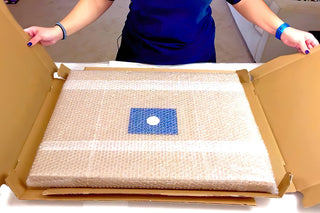
STEP 2 - SHIPPING
We ship your order. We send you an email to track the progress

STEP 3 - DELIVERY
You receive your order. You can also, according to your choice, be delivered to a relay point.
Matte finish
View from behind
Frame (optional)
In the vast panorama of art history, some works manage to capture the essence of an era while evoking deep and universal emotions. "Maisons délabrées sur l'eau - Jan Hulswit" is one of those creations that, through its composition and atmosphere, transports the viewer into a world that is both melancholic and poetic. The depicted scene, where dilapidated houses with worn facades seem to float on a tranquil stretch of water, invites reflection on the passage of time and the fragility of human existence. This piece, both simple and complex, evokes a disenchanted beauty, a harmony disturbed by wear and nature.
Style and uniqueness of the work
Jan Hulswit's style is distinguished by his ability to blend realism and impressionism. In "Maisons délabrées sur l'eau," the meticulous details of the houses are balanced by touches of color that evoke soft, diffuse light. The reflections in the water, delicately rendered, create a play of light that energizes the composition while maintaining a calm atmosphere. The use of earthy color palettes and soothing shades enhances the sense of nostalgia emanating from the piece. Hulswit manages to capture the essence of nature while highlighting the imperfections of human architecture, offering a reflection on harmony and desolation. Every brushstroke seems to tell a story, a memory frozen in time, inviting the viewer to immerse themselves in this living tableau.
The artist and his influence
Jan Hulswit, a Dutch painter of the 17th century, is often recognized for his unique approach to landscapes and scenes of everyday life. His classical training, combined with a sensitivity to nuances of light and space, shaped his distinctive style. Hulswit drew inspiration from the masters of Dutch painting while developing his own artistic vision. His work is marked by a particular attention to detail and a capacity to evoke emotions through simple yet evocative scenes. Hulswit's influence endures in the art world.
12,34 €