
Painting Natural History of Saint-Domingue Pl049 - René de Rabi


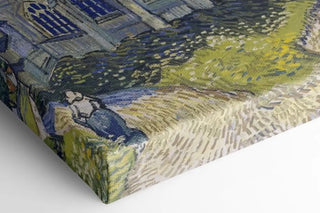
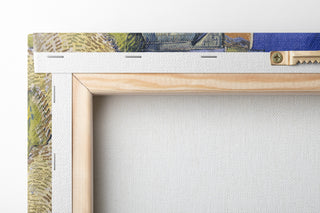
View from behind
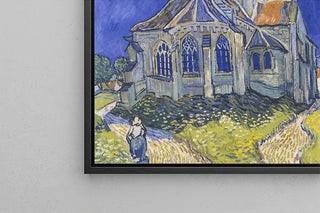
Frame (optional)
Art print Histoire naturelle de Saint-Domingue Pl049 - René de Rabi – Engaging introduction
In the vast panorama of art history, certain works stand out for their ability to capture the essence of an era, a place, or a culture. The art print Histoire naturelle de Saint-Domingue Pl049 - René de Rabi is one of these iconic pieces. It transports us to the heart of the 17th century, a period when exploration and discovery of new territories shaped imaginations and knowledge. This piece, at the crossroads of art and science, offers a fascinating glimpse into the biodiversity of the island of Saint-Domingue, today known as Hispaniola. Through its meticulous details and harmonious composition, Rabi invites us to contemplate the beauty and richness of nature, while prompting reflection on the issues of colonization and scientific observation.
Style and uniqueness of the work
René de Rabi's work is distinguished by its naturalist approach, where each element is rendered with remarkable precision. The vibrant colors and delicate textures of the plants and animals captured testify to attentive observation and a desire to convey the beauty of the natural world. Rabi does not merely depict fauna and flora; he stages them in a visual dialogue that evokes both serenity and the complexity of ecosystems. The compositions are carefully balanced, each element finding its place within a coherent whole, where the harmony of shapes and colors creates an almost poetic atmosphere. This style, both scientific and artistic, reflects the spirit of the Enlightenment, where the pursuit of knowledge and the appreciation of beauty converge.
The artist and his influence
René de Rabi is a fascinating figure in art history, whose work illustrates the tensions between art and science during the 18th century. Trained in a context where empirical observation became essential, he managed to marry his artistic skills with an insatiable curiosity about the world around him. His influence extends far beyond his works, impacting generations of artists and scientists. By exploring the biodiversity of Saint-Domingue, R
Painting Natural History of Saint-Domingue Pl049 - René de Rabi

-10% FROM €95 IN PURCHASES
-15% FROM €195 IN PURCHASES
Regular price
- Unit price
- per
Tax included.
Free shipping
€4.90 / Free shipping on orders over €39
Satisfied or Money Back
Free returns within 30 days
10-year warranty
Our prints are guaranteed for 10 years
Any questions? We are here!
by email to contact@artemlegrand.com
THE STEPS OF YOUR ORDER

STEP 1 - ORDER PLACED
Your order has been confirmed and we are starting production
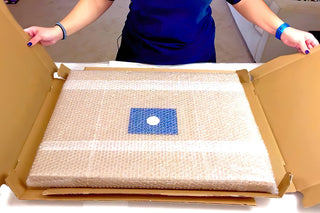
STEP 2 - SHIPPING
We ship your order. We send you an email to track the progress

STEP 3 - DELIVERY
You receive your order. You can also, according to your choice, be delivered to a relay point.
Matte finish
View from behind
Frame (optional)
Art print Histoire naturelle de Saint-Domingue Pl049 - René de Rabi – Engaging introduction
In the vast panorama of art history, certain works stand out for their ability to capture the essence of an era, a place, or a culture. The art print Histoire naturelle de Saint-Domingue Pl049 - René de Rabi is one of these iconic pieces. It transports us to the heart of the 17th century, a period when exploration and discovery of new territories shaped imaginations and knowledge. This piece, at the crossroads of art and science, offers a fascinating glimpse into the biodiversity of the island of Saint-Domingue, today known as Hispaniola. Through its meticulous details and harmonious composition, Rabi invites us to contemplate the beauty and richness of nature, while prompting reflection on the issues of colonization and scientific observation.
Style and uniqueness of the work
René de Rabi's work is distinguished by its naturalist approach, where each element is rendered with remarkable precision. The vibrant colors and delicate textures of the plants and animals captured testify to attentive observation and a desire to convey the beauty of the natural world. Rabi does not merely depict fauna and flora; he stages them in a visual dialogue that evokes both serenity and the complexity of ecosystems. The compositions are carefully balanced, each element finding its place within a coherent whole, where the harmony of shapes and colors creates an almost poetic atmosphere. This style, both scientific and artistic, reflects the spirit of the Enlightenment, where the pursuit of knowledge and the appreciation of beauty converge.
The artist and his influence
René de Rabi is a fascinating figure in art history, whose work illustrates the tensions between art and science during the 18th century. Trained in a context where empirical observation became essential, he managed to marry his artistic skills with an insatiable curiosity about the world around him. His influence extends far beyond his works, impacting generations of artists and scientists. By exploring the biodiversity of Saint-Domingue, R
12,34 €